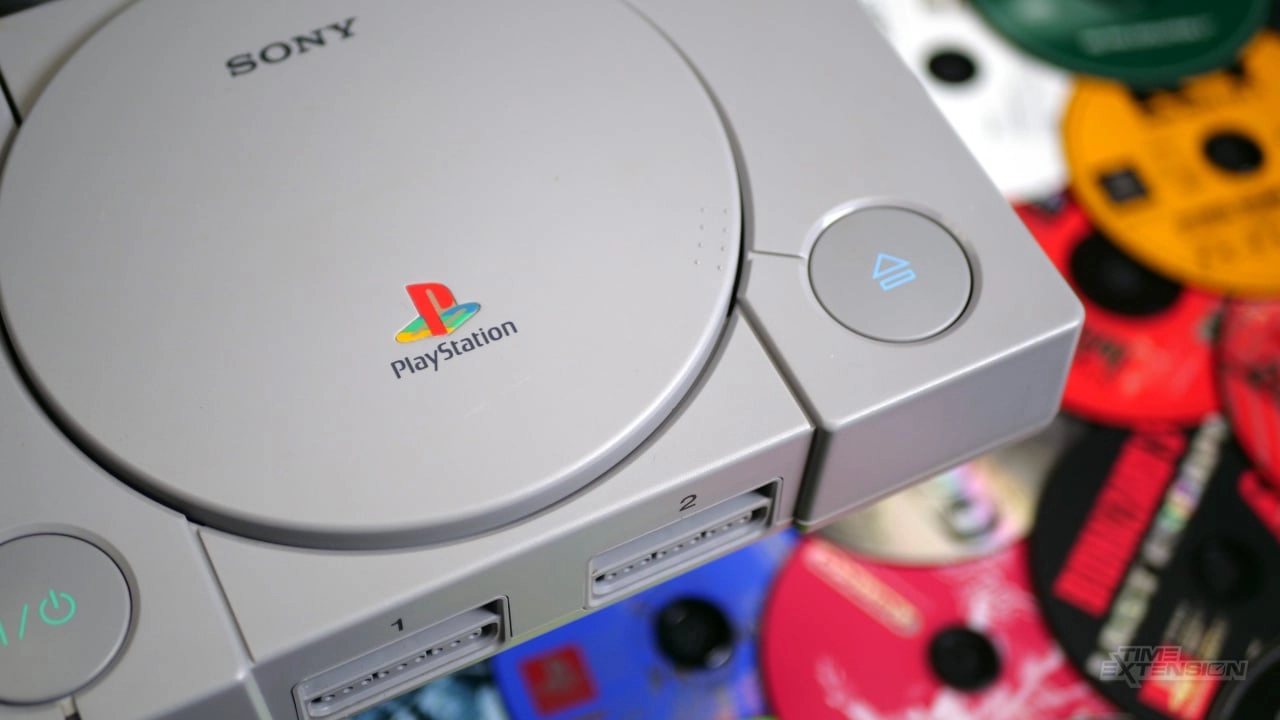
Once upon a time, gaming console releases were as much about swagger and spectacle as they were about technology and titles. Nowhere is this more evident than at the first-ever Electronic Entertainment Expo (E3) in 1995, when Sega attempted to upstage its emerging rival Sony—a move with consequences that still echo through the gaming industry.
To set the scene, we must turn back the clock to the early 90s, when Sega, under the leadership of Tom Kalinske, transformed from a modest venture into a billion-dollar behemoth with its flagship console, the Sega Genesis/Mega Drive. Sega didn't merely lead the console race; it was instrumental in institutionalizing mechanisms like video game age rating systems to address concerns about video game violence, a hot-button issue that had caught the attention of the US Senate.
What's more, Sega and other game companies were disgruntled with their treatment at the Consumer Electronics Show (CES), prompting them to form the Interactive Digital Software Association—a precursor to the Entertainment Software Association and the architect of the first-ever E3.
The stage was set. E3 1995 would see Sega's Saturn go head-to-head against Sony’s PlayStation. Each had much to prove. Sony, still smarting from a failed partnership with Nintendo that led to it approaching Sega for a console collaboration, ultimately decided to forge its path when Sega's Japanese board shunned the idea.
Critically, Sega's Kalinske was not a fan of the Saturn. He wanted to postpone its launch until more software was available and hoped to improve the console's specs. Ironically, he reached out to Silicon Graphics, which had developed a chipset he found ideal for Saturn but was ultimately used in the Nintendo 64 after being rejected by Sega’s hardware team in Japan.
On launch, Saturn was supposed to come out in September. However, at E3, Kalinske announced an immediate limited launch, available at select retailers. The abruptness and limited software library did not make for an auspicious start. Kalinske’s hand had been forced by the Sega board, concerned about the PlayStation's later launch date.
Sony's retort in the E3 drama came in a form that would become legendary. Steve Race, former right-hand man to Kalinske and now at Sony, took to the stage, announced "$299" for the PlayStation—a full $100 less than Saturn—and nothing more. The simplicity of the message was devastating. There had been a battle over the price point right up until that morning, with Japanese contingents initially hesitant.
The aftermath of E3 1995 had far-reaching effects. Sega's decision to rush the Saturn, coupled with the aggressive price undercut by Sony, shifted the momentum to the newcomer. Retailers increased PlayStation orders following E3, where Sony had also dazzled with a significantly lauded booth and a blockbuster party featuring Michael Jackson.
The subsequent success of PlayStation also attested to a change in management's sentiment toward the console within Sony. Whereas the Japanese executives had been tentative, E3 reassured them, and Sony became more prominently featured on PlayStation marketing materials henceforth.
Meanwhile, Sega's E3 gambit continued to resonate within the industry. Pranks were common—Sony even deflated a giant inflatable Sonic at the show. But beyond the theatrics, the failure of the Saturn to match the PlayStation's allure and the internal discord at Sega sowed the seeds for its retreat from the console wars.
E3 1995 wasn't just a product launch; it was a moment of true drama where industry titans clashed in public in ways seldom seen in the contemporary scene. It serves as a reminder that in the gaming industry, timing can be as critical as technology, marketing as important as mechanics, and corporate intrigue can dramatically alter the landscape for decades to come.

You must be logged in to post a comment!
