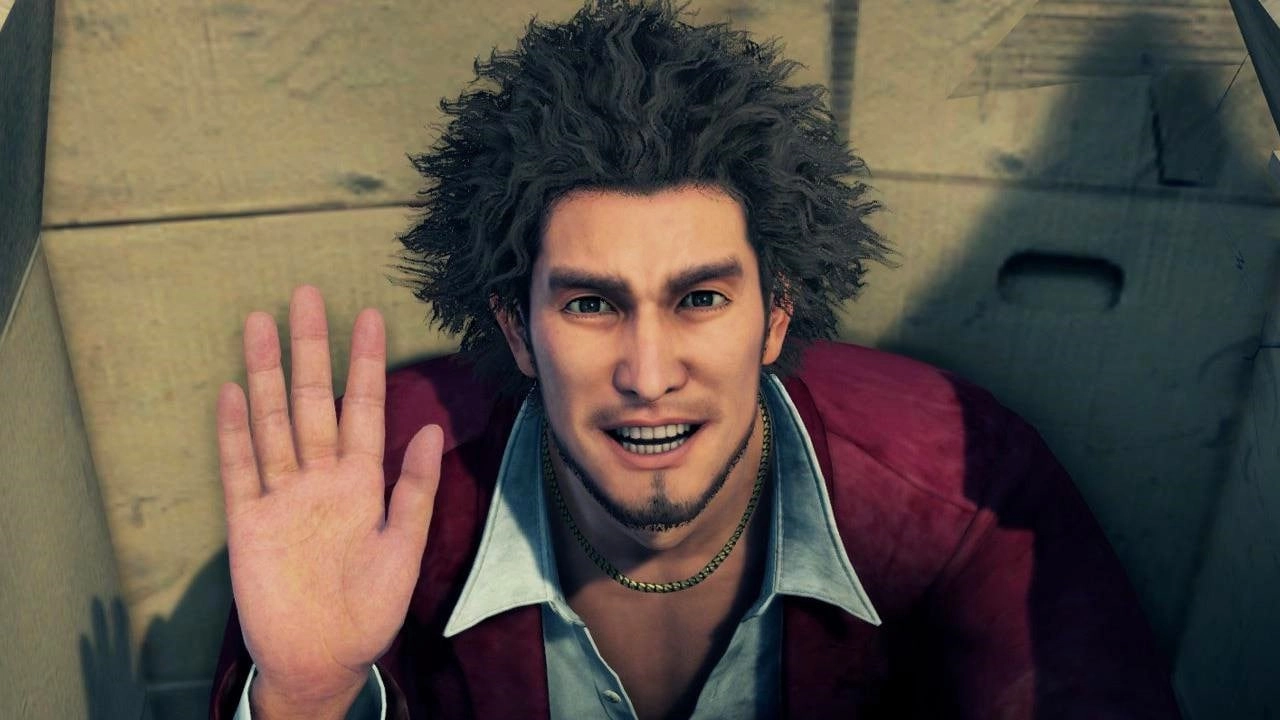
The Yakuza/Like a Dragon series, developed by SEGA, is widely celebrated for its engaging storytelling, deep characters, and unique blend of action and RPG elements set against the backdrop of Japan's criminal underworld. However, this beloved series nearly didn't come to fruition. The journey from concept to creation was fraught with challenges, mainly due to SEGA's initial reluctance to deviate from its traditional, family-friendly offerings.
Toshihiro Nagoshi, the creator of the series, faced significant resistance when pitching the idea of a game centered around the themes of crime and the yakuza lifestyle, elements far removed from SEGA's usual portfolio, best known for Sonic the Hedgehog. In an interview with Weekly Ochiai, Nagoshi shared that his original proposals were "flat out rejected" by SEGA multiple times during the early 2000s. The prevailing corporate strategy focused heavily on mass appeal, which typically meant creating games that were suitable for children and could easily cater to a broad demographic including women and overseas markets. The gritty, adult-themed Yakuza series did not fit this bill.
Nagoshi described these initial rejections as stemming from a conservative approach to game development, where new ideas were often diluted to align with executive expectations and market strategy. Traditional paths to approval were blocked, with the management team wary of endorsing a project that was so starkly different from anything SEGA had produced before. According to Nagoshi, the proposals for what would eventually become the Yakuza series saw many iterations becoming increasingly "watered down" as he tried to appease the management.
Determined to bring his vision to life, Nagoshi did not give up. He believed in the potential of his concept—a rich narrative-driven game that explored the complex, often morally ambiguous world of the Japanese underworld. It took not one, not two, but three intense pitches, coupled with Nagoshi's forceful advocacy, to finally break through the corporate barriers. This perseverance paid off when SEGA, perhaps recognizing that they might be missing out on a unique opportunity, reluctantly agreed to move forward with the project.
The approval process was unorthodox, reflecting the unconventional nature of the game itself. Nagoyoshi’s pitch, which by then had been honed through repeated rejections, emphasized the game's potential to explore narrative and character depths in ways that typical SEGA games had not. He argued that the realistic portrayal of the Yakuza could attract adult gamers looking for more mature content, filling a niche that was largely untapped in the gaming industry at that time.
Once approved, the development of Yakuza proceeded, though not without its share of difficulties. The team faced the enormous task of creating a game that not only had to justify its existence past the initial skepticism but also had to succeed financially to prove the worthiness of such risky ventures in the eyes of both the management and the market. The gamble paid off spectacularly—not only did the first Yakuza game perform well commercially, but it also laid the groundwork for a series that would endure and evolve over the years.
Today, the Yakuza/Like a Dragon series has become a cornerstone of SEGA’s portfolio, boasting multiple sequels and spin-offs, each adding depth and breadth to the expansive game universe first envisioned by Nagoshi. The series has received critical acclaim worldwide and has developed a devoted fanbase, drawn to its unique blend of storytelling, gameplay, and its vivid, atmospheric depiction of Japan's seedy underworld.
The story behind the inception of the Yakuza series serves as a compelling reminder of how persistence and passion can sometimes bend the rigid structures of corporate decision-making. It highlights the importance of creativity and innovation in the gaming industry—qualities that, when given the chance to flourish, can lead to highly successful and beloved franchises.

You must be logged in to post a comment!
