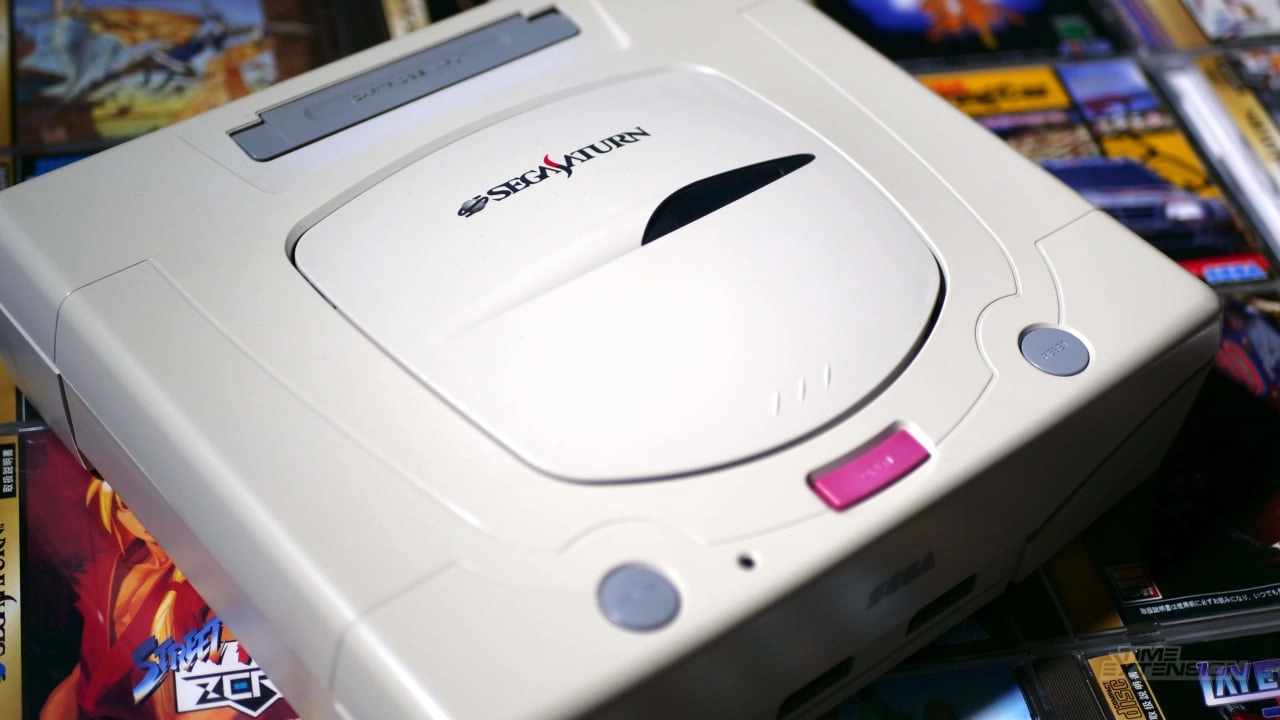
The journey of replicating classic gaming consoles on modern hardware has seen impressive progress, and one project making waves in the emulation community is Sergiy Dvodnenko’s Saturn FPGA core. Designed to run on the MiSTer FPGA platform, this core aims to recreate the Sega Saturn console with high fidelity. Recently, this ambitious project crossed another milestone in emulation accuracy, specifically regarding the console's sound processing capabilities.
The Sega Saturn, known for its complex architecture, has always been challenging to emulate accurately. Among the various components of the Saturn, the Sega Custom Sound Processor (Yamaha YMF292), plays a critical role in game audio production, affecting everything from background music to sound effects. This processor was not only a part of the Saturn but was also included in several of Sega’s arcade boards such as the Sega Model 2A-CRX, Model 2B-CRX, and Sega Model 3.
Achieving perfect emulation of this sound processor is crucial for an authentic gaming experience. Over a recent weekend, Dvodnenko's Saturn core passed with a 100% score on the scsptest utility, a testing tool specifically designed to assess the accuracy of the emulation of the Sega Custom Sound Processor. This achievement indicates that the FPGA core can now replicate the Sega Saturn’s sound output identically to the original hardware, a significant step towards achieving full system accuracy.
The implications of this success extend beyond just improved sound quality. Emulating the Sega Custom Sound Processor accurately means that the core is one step closer to fully supporting every title in the Saturn's game library. This comes on the heels of earlier announcements that indicated the core already supports approximately 95% of the console's US library, handling most games with only minor issues.
The significance of these developments cannot be overstated. The Sega Saturn has historically been one of the more difficult consoles to emulate perfectly due to its intricate hardware design and the unique way it handles game data. With many previous attempts at emulation facing various hurdles, Dvodnenko’s work not only revives hope for Sega Saturn fans but also sets a new benchmark in the emulation scene. His dedicated effort and the use of FPGA technology, which allows the emulation hardware to mimic the original console’s hardware at a very low level, have been key in reaching these milestones.
The progress on the Saturn FPGA core also benefits more than just games developed specifically for the Saturn. Since the Sega Custom Sound Processor was used across multiple Sega platforms, the core’s perfect emulation also enhances games from the Sega Model 2 and Sega Model 3 arcade boards. This broader coverage ensures that a wide range of classic Sega titles can be experienced with high fidelity.
Moreover, this achievement has drawn attention to the continued potential and growing importance of the FPGA method in preserving classic gaming platforms. Unlike traditional software emulation, which often struggles with system-specific quirks and performance issues, FPGA-based emulation promises much closer reproductions of original gaming experiences. This has significant implications not just for gamers but also for historians and technologists interested in digital preservation.
Dvodnenko's ongoing work on the Saturn FPGA core is a testament to the passion and persistence found within the retro gaming community. By continuing to refine the accuracy of this core, he not only preserves a piece of gaming history but also enhances our understanding of the Saturn’s unique design and capabilities. The success of this project may encourage further developments in this field, potentially leading to high-quality emulation of other complex systems that were once considered too challenging to emulate accurately.
As the project continues, the Sega Saturn community and retro gaming enthusiasts watch eagerly, hopeful that soon they will have access to a near-perfect emulation of one of gaming’s most revered—but technically challenging—consoles.

You must be logged in to post a comment!
