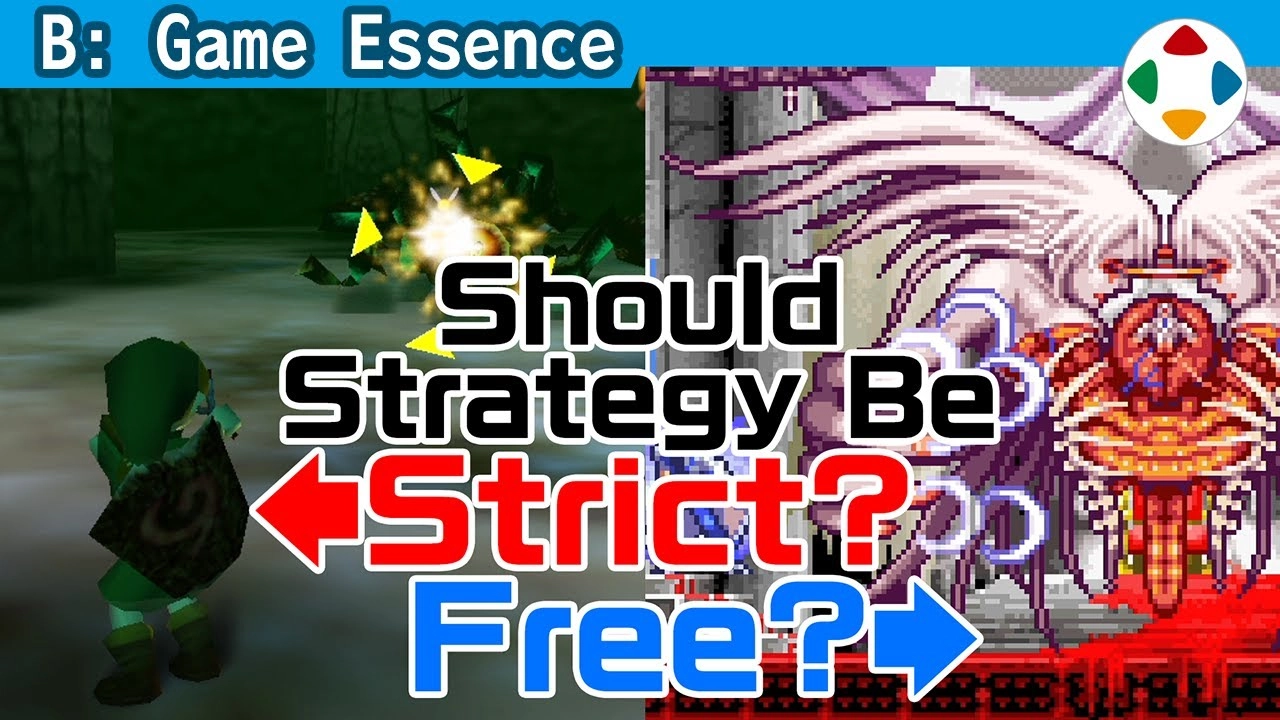
Masahiro Sakurai, well-known for his work on the Super Smash Bros series, recently released a YouTube video titled "Mandatory Strategy and Strategic Balance," where he explores the nature of boss battles in video games. Sakurai points out a notable difference in the approach to boss fights between various game developers, with a specific focus on Nintendo’s traditional method of implementing a fixed strategy that players must follow to succeed.
In the video, Sakurai analyzes how Nintendo games often prescribe a specific method to conquer bosses. This method typically involves observing the boss's pattern, waiting for the opportune moment to strike, and then executing a set series of actions to inflict damage. He uses the example of hitting a boss's weak spot at just the right time to illustrate how these battles are carefully crafted to teach players the game mechanics—akin to a live tutorial.
However, Sakurai expresses a personal preference for a different type of game design where players can experiment with various strategies and solve problems in their own unique ways. He praises the Castlevania series by Konami for offering players this sort of freedom. In these games, players might overcome a challenge through multiple methods: different weapon combinations, varied approaches in combat, or unconventional use of game mechanics.

Sakurai isn't outright criticizing Nintendo’s design philosophy, as he acknowledges that the well-defined strategies do have their merits. They guide new players and create a controlled environment where players can learn the ropes without feeling overwhelmed. Yet, his critique comes from a desire to see more flexibility in gameplay, which can potentially enhance creativity and replay value in games.
Towards the conclusion of his video, Sakurai cites "The Legend of Zelda: Breath of the Wild" as an example of Nintendo’s shift towards more open-ended gameplay. He discusses how this title allows for myriad approaches in combat and exploration, deviating from the more linear approaches seen in earlier games in the series. This evolution might indicate Nintendo's recognition of player desire for more strategic freedom.
The video ends with a question prompting viewers to share their own preferences on boss battle strategies: Do they prefer the rigid, tutorial-like structure, or do they lean towards freedom in strategizing? Viewer responses indicated a strong preference for flexibility, with 78% voting for more freedom to determine their own method of success.
Sakurai's comments highlight a pivotal discussion in game design—whether having a set strategy for challenges undermines the player's ability to engage creatively with the game. This discussion is especially relevant as games evolve and try to cater to a broad audience that values diverse gaming experiences.
In exploring these varied approaches to gameplay, Sakurai prompts both players and developers to think about what makes gaming satisfying and engaging. Is it the satisfaction of mastering a predefined challenge, or the thrill of discovering your own path to victory? As games continue to evolve, so too will the strategies they employ, potentially leading to more innovative and appealing gameplay experiences for everyone involved.
You must be logged in to post a comment!