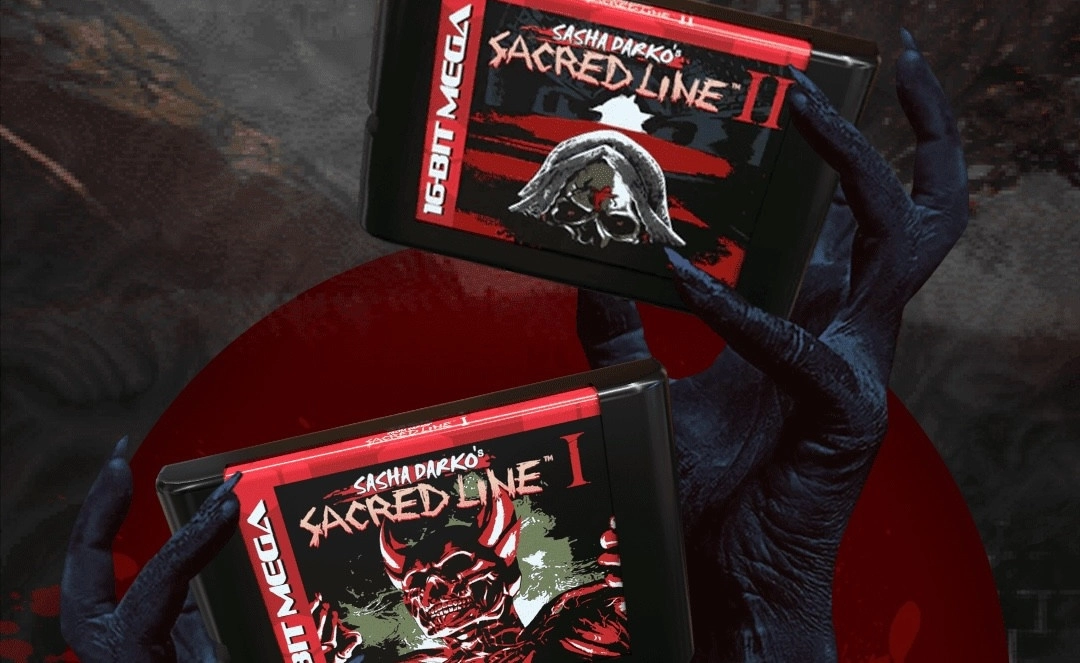
In a fascinating blend of nostalgia and modern horror storytelling, Mega Cat Studios has revived the eerie atmosphere of point-and-click adventures with the release of Sasha Darko’s Sacred Line I and II for the Sega Genesis and Mega Drive. These games, described as surreal and horrifying, plunge players into deep, narrative-driven experiences with the freedom to choose their own paths, leading to multiple endings based on their decisions.
The games are notable not just for their compelling narratives but also for their striking 3D-rendered visuals that set a dark and unsettling tone. Players are not only expected to unravel twisted plots but also to solve intricate puzzles along the way. The gameplay combines classic text-based elements with a novel dice combat system, adding a layer of strategy to the interactive storytelling.
The first game in the series, Sacred Line, introduces players to Ellen, a private detective on the verge of closing her failing business. In a twist of fate, a mysterious voice calls to her, pulling her into a shadowy world of chilling mysteries waiting in a secluded forest outpost in Eastern Europe. Ellen's journey is fraught with terror and dark secrets, promising to unearth horrors that have long been buried.
Following its predecessor, Sacred Line II expands the universe with a compelling mix of sequel and prequel elements. The story shifts focus to Sarah, a young girl haunted by a troubled past and entangled with a sinister religious cult known as Svete Namjere, or "Holy Intentions." The narrative takes a dramatic turn when Sarah, after facing death at the hands of a cult member, is mysteriously brought back to life. Set against the backdrop of an alternate reality in 1999 where Yugoslavia still exists, she finds herself in a desperate struggle to prevent the dissolution of her world.
These narrative-rich games do not merely entertain but engage players in critical thinking and decision-making that can alter the story's outcome dramatically. Such games are a testament to the power of interactive media to explore complex themes such as war crimes and religious extremism in a deep and engaging manner.
The choice to release these games for the Sega Genesis and Mega Drive—a console famous during the late 80s and early 90s—adds a layer of retro appeal that attracts both vintage game enthusiasts and new players curious about the graphical and gameplay styles of past eras. These platforms, with their distinctive technological and aesthetic qualities, provide a perfect canvas for Sacred Line's unique blend of horror and adventure.
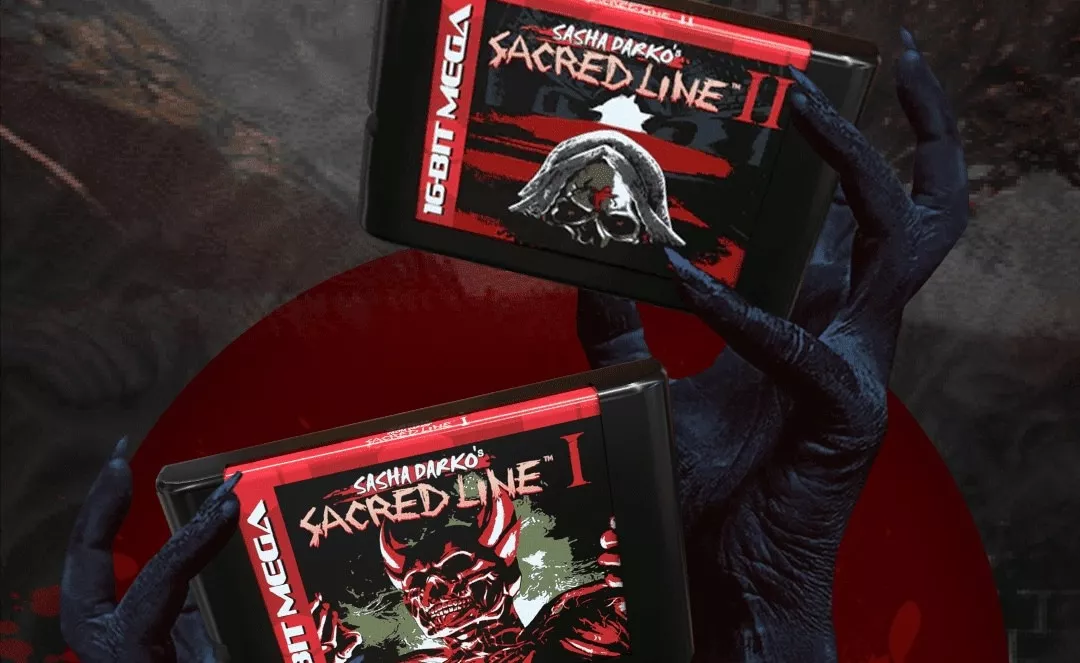
Beyond just reviving the games, Mega Cat Studios’ decision to issue them in physical form brings an additional element of collectability and tangible nostalgia. This move resonates well with collectors and enthusiasts who appreciate the tangible elements of cartridge-based gaming in an increasingly digital age.
Overall, the release of Sacred Line I and II is not just about bringing new games to an old system; it's about revitalizing a genre and blending old-school mechanics with modern storytelling finesse. Whether players are fans of horror, adventure games, or the unique history of the Sega console, Sacred Line offers an immersive experience that spans the best elements of gaming past and present. It gives gamers a way to delve into dark, interactive worlds where their choices have profound impacts on the outcomes of deeply engaging stories.
The revival of these games underlines a continuing interest in narrative-driven, interactive games and the appeal of retro gaming platforms, ensuring that newer generations can experience game storytelling in forms that had captivated audiences decades ago. For those who dare to delve into the depths of Sacred Line’s chilling narrative, the journey promises to be as introspective as it is spine-tingling.

You must be logged in to post a comment!
