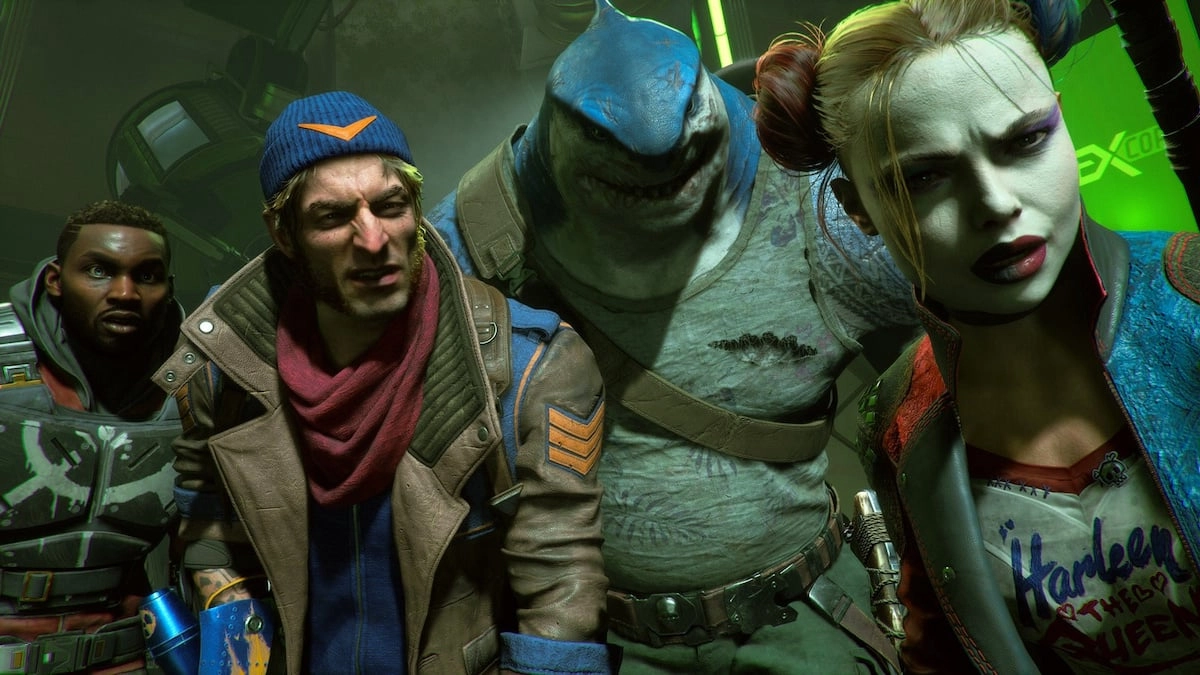
Rocksteady Studios, known for their acclaimed work on the Batman: Arkham series, recently made an unconventional decision with their highly anticipated game Suicide Squad: Kill the Justice League. As the game's previews began to emerge, many were less than stellar. Critics shared a variety of concerns about the game's mechanics, visuals, and overall execution. This chilly reception seemingly applied the brakes on what had been a robust marketing engine, leading the creators and publishers at Warner Bros. to reconsider their strategy.
In an unexpected turn of events, Rocksteady lifted the non-disclosure agreement (NDA) that players of their Closed Alpha Test in November had agreed to. This agreement typically prevents testers from publicly sharing their thoughts or content from a game before its official release. In a tweet, the studio not only allowed but encouraged these early testers to discuss their gameplay experiences. The company stressed, however, that other NDA terms remained in force, specifically the prohibition on posting images or videos from the test.
Historically, NDAs are used in the video game industry to manage and control the narrative around a game before its release, protecting it from potential negative early impressions that could harm sales. Rocksteady's request to testers is clear: talk and write about your time with the game, creating a more authentic word-of-mouth scenario which could potentially counteract the negative press from mainstream media outlets.
This bold plea by Rocksteady is quite the gamble, as it inherently acknowledges that there is a significant conversation to be steered, which hinges on the genuine reception of the real players of the game. Some positive testimonials from participants have surfaced, providing a beacon of hope for the game's redemption. Nevertheless, a slew of critical perspectives also loom over social media and gaming forums, pointing to a game that many feel falls short of Rocksteady's illustrious reputation.
Examining the sheer diversity of reactions, it is clear to see that not everyone is on the same page. While some testers expressed their enjoyment and potential that the game could offer, others declared it to be dead on arrival (DOA), criticizing everything from its mechanics to its creative direction. There's common speculation that pressure from Warner Bros. may have forced Rocksteady into a product that didn't align with their strengths as a studio focused on single-player experiences.
There is an undercurrent of pessimism from those who participated in the Alpha Test, with some feeling that Rocksteady's previous successes, such as the Batman Arkham series, might be overshadowed by this latest venture. One tester even suggested that the game should have been canceled and re-envisioned as a single-player title, which speaks to a broader disconnect between what the developers are offering and what some fans desire from a superhero gaming experience.
Some worry about the future of Rocksteady and the repercussions of this game's reception on the studio's staff. Despite some grateful players who enjoyed the Alpha, others fear potential job losses as a result of a game that, they believe, was the wrong call from the start. There's a degree of frustration about Warner Bros.' prioritization of live service models over single-player content, especially considering the recent success of single-player titles like Hogwarts Legacy.
As Rocksteady grapples with the public's expectations and attempts to navigate the choppy waters of pre-release criticism, they have effectively turned their back on traditional marketing practices. In doing so, they might have just initiated an important conversation about transparency and community trust within the video game industry. Whether this move will ultimately pay off and revitalize the buzz around Suicide Squad: Kill the Justice League remains to be seen. What is certain is that the studios' attempt to steer the conversation back to a more favorable light has, at least, captured the attention of the gaming community and set the stage for an interesting release period.

You must be logged in to post a comment!
