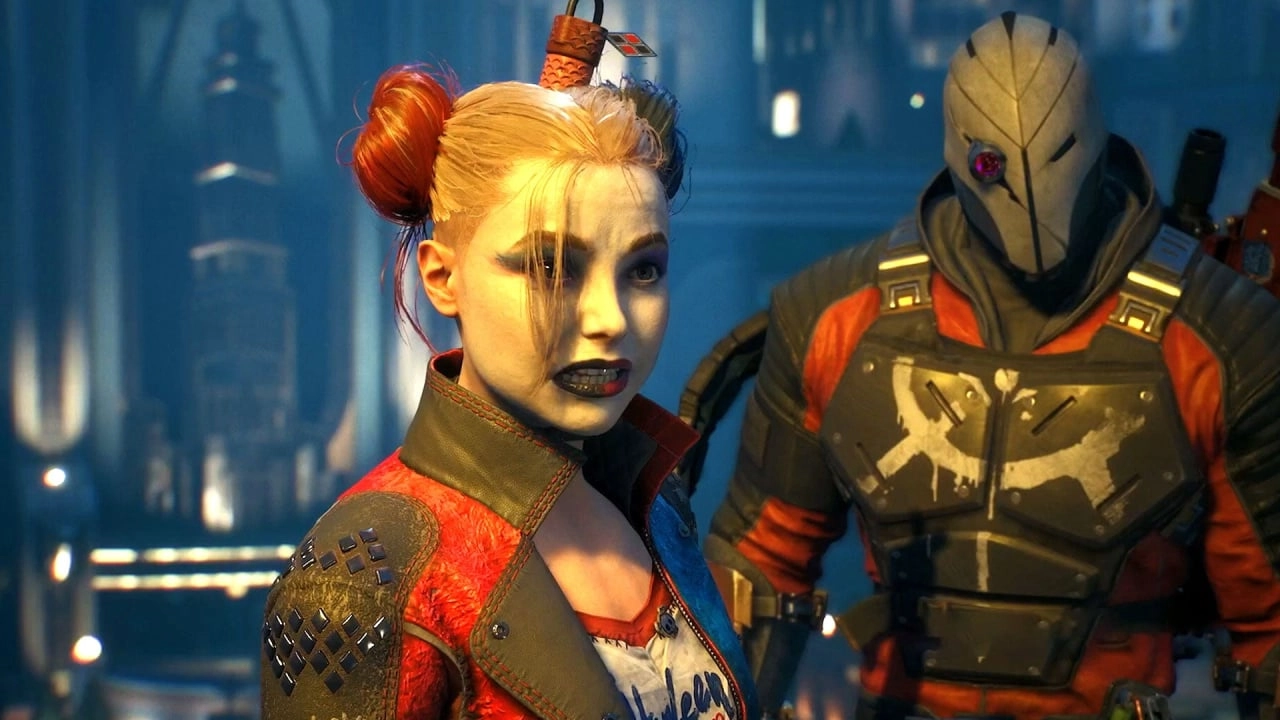
Rocksteady Studios, the creators behind the acclaimed Batman: Arkham titles, has recently undergone significant layoffs, specifically within its Quality Assurance (QA) department. This decision comes in the wake of the commercial and critical failure of their latest release, Suicide Squad: Kill the Justice League, which has not performed as expected in the market.
Suicide Squad: Kill the Justice League was one of the most anticipated games of the year, intended to replicate the success of Rocksteady’s previous hits. However, the game transitioned from the melee-focused combat known in the Batman: Arkham series to a gun-based combat system, which did not resonate well with fans. This change, coupled with a shift towards a live-service model, significantly impacted the game's reception.
The commercial failure of Suicide Squad has led to drastic measures. The QA team at Rocksteady has been reduced by more than 50%, shrinking from 33 to just 15 employees. This reduction not only affects those who have lost their positions but also increases the workload on the remaining staff, potentially impacting future product quality. This downsizing was cited as a necessary "restructuring" due to the game’s poor sales figures, which were directly acknowledged as the reason for the layoffs.
This development comes off the back of a report that tags Suicide Squad as a $200 million loss for both Rocksteady Studios and their publisher, Warner Bros. Internal sources have confided that the game was “doomed from the start,” plagued by conflicting visions between the developer and publisher and a drastic pivot in combat style that did not sit well with long-time fans of Rocksteady’s games.
Despite these challenges, Rocksteady continues to provide post-launch support for Suicide Squad, though the longevity of this support remains uncertain. In an effort to reallocate resources more effectively, it has been reported that some of the studio’s remaining workforce is being shifted to support a Director’s Cut version of Hogwarts Legacy, another title under Warner Bros that has received a more positive reception.
The situation at Rocksteady is reflective of broader trends within the gaming industry where shifts towards live-service models have not always succeeded. Many fans and critics alike point out that the company’s attempt to transform a traditionally single-player experience into a live-service framework might not have been the right move. It highlights the ongoing tension between creative vision and market strategy, a balance that studios continue to grapple with in an evolving market landscape.
The layoffs at Rocksteady Studios raise significant questions about the sustainability of current development models in the gaming industry, especially for studios known for their high-quality, narrative-driven single-player games. As the company navigates through these changes, the impact on its future projects remains to be seen. Smith squad developers will potentially face significant pressure to adapt and innovate in ways that will satisfy both their audience and financial expectations.

You must be logged in to post a comment!
