The world of video game development is both dynamic and demanding, a landscape where success can be as fleeting as it is rewarding. Recently, a major shift occurred involving two prominent gaming projects under the Warner Bros umbrella. Rocksteady Games, known for their acclaimed successful Batman: Arkham franchise, found themselves in a challenging position after facing a significant setback with their latest project, Suicide Squad: Kill the Justice League.
Suicide Squad: Kill the Justice Apollo, with a development period of over seven years, was meant to be Rocksteady’s innovative leap into a new genre. Traditionally known for their compelling narrative-driven solo campaigns, the studio ventured into the live service model — a strategy that involves continuously updated content as a way to engage players. However, this transition proved to be more turbulent than expected. The project reportedly struggled due to a vision that shifted too frequently, leaving the team to constantly 'fight fires', attempting to adapt to ever-changing goals.
Despite the vast resources thrown into the super-hero themed game, including a staggering $200 million budget, it failed to resonate with players and critics alike. This outcome was underscored by gameplay that transition us from familiar melee combat to an unfamiliar third-person shooter format, a struggle for a team that excelled in hand-to-hand combat dynamics.
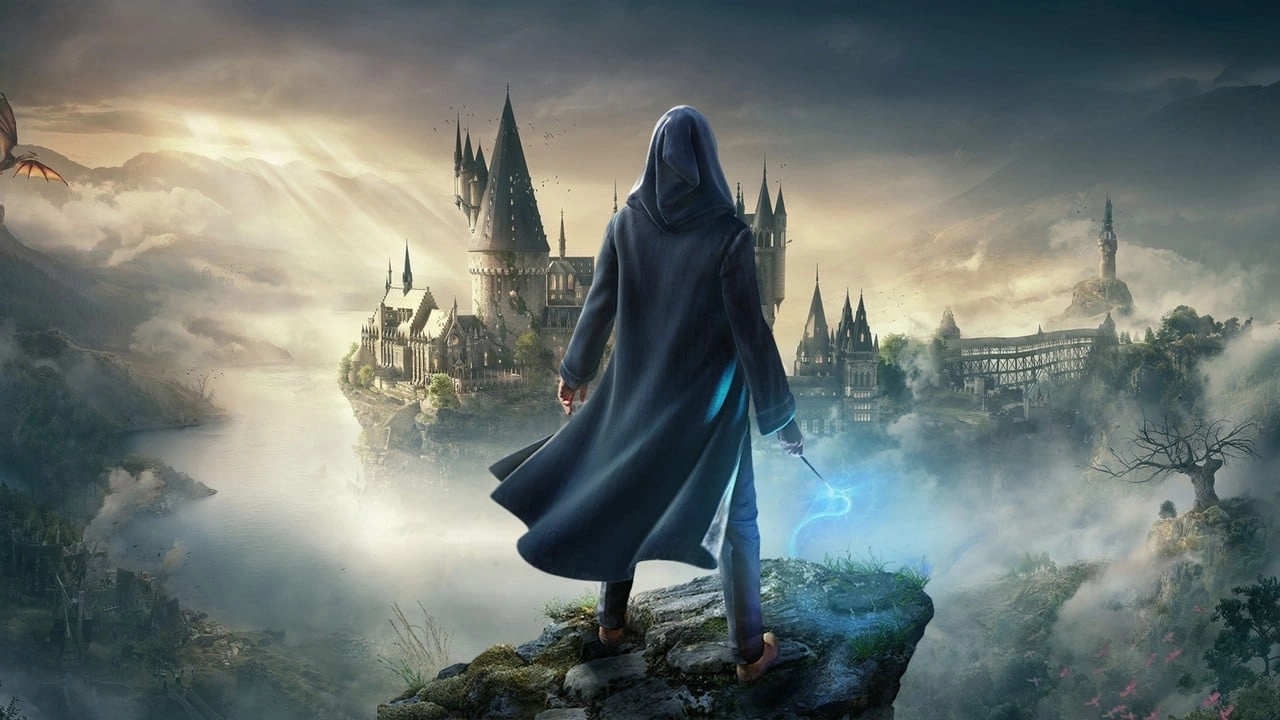
Amidst this backdrop of disappointment, Warner Bros, the publishing giant behind both projects, decided to pivot resources towards another promising yet different venture in the form of Hogwarts Legacy. This Harry Potter themed game contrasts sharply with the heroes of Suicide Squad, offering magical escapades over gritty urban brawls. Released in the same year, Hogwarts Legacy became one of the biggest hits of 2023, a success story written amidst the shadows of Suicide Squad’s faltering steps.
To salvage and perhaps realign Rocksteady’s path, the studio is now involved in creating a Director’s Cut of Hogwarts Legacy. While specific details about what this director’s cut will entail remain hushed - it could range from an expanded re-release to an inclusion of significant downloadable content or something entirely unique - it’s a step that signifies Warner Bros' trust in Rocksteady’s ability to deliver high-quality content despite recent setbacks. This new task gives the studio a chance to not only support a successful existing game, thereby maintaining fan engagement, but also to secure a more stable and perhaps for them, a more familiar footing in the narrative-driven gameplay that had earlier spelled their success.
Furthermore, Rocksteady isn’t just stopping their efforts with Hogwarts Legacy. Despite the setback with Suicide Squad, they are also pitching a new single-player project, hinting at their desire to return to their roots and focus on what they do best. This indicates a pivotal phase for Rocksteady, where they balance contributing to another franchise while reshaping their own identity in the industry.
As the landscape of gaming continues to evolve, the saga of Rocksteady serves as a potent reminder of the challenges that even seasoned developers face when exploring new horizons. The shift from Suicide Squad to Hogwarts Legacy, from superhero chaos to magical adventures, not only highlights the unpredictable nature of game development, but also underlines the adaptive strategies studios must employ to navigate their course through both calm and stormy creative waters.

You must be logged in to post a comment!
