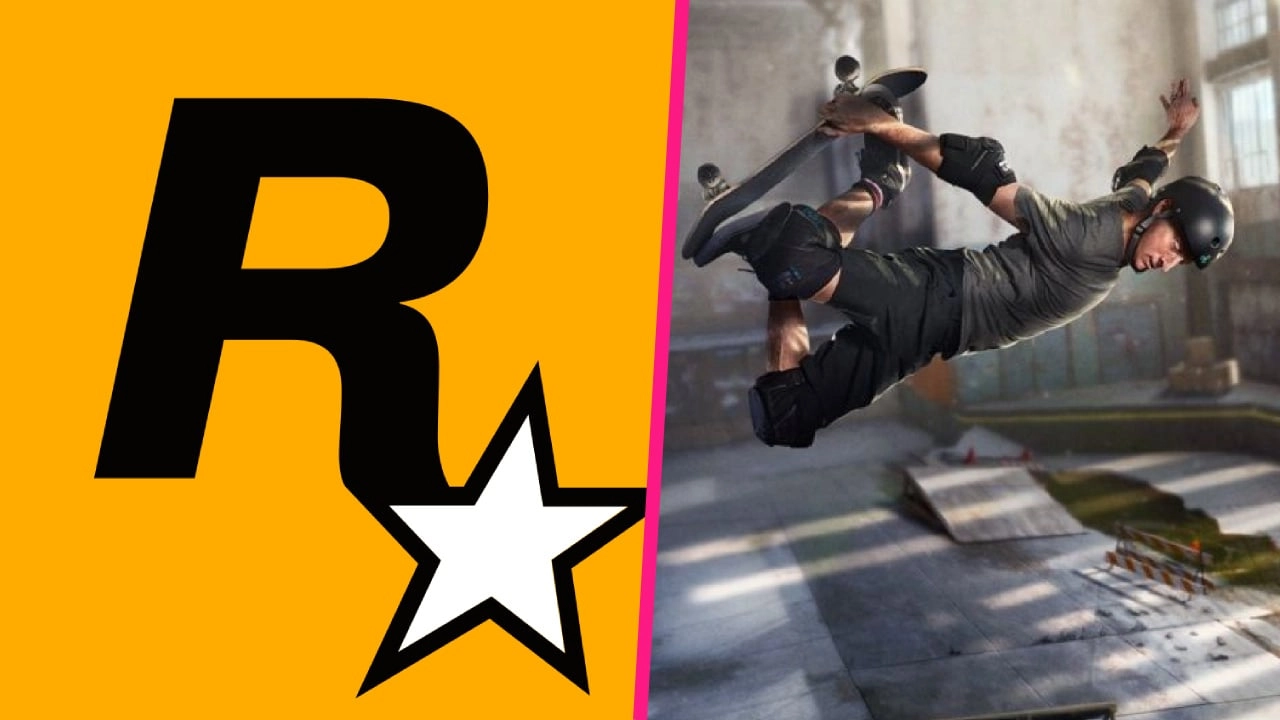
Decades ago, before Rockstar Games earned legendary status in the video game industry with franchises like "Grand Theft Auto," the company was eager to delve into different genres, including sports. One of the most intriguing endeavors they pursued was a partnership with legendary skateboarder Tony Hawk, an idea that eventually fell through, leading Hawk to collaborate with Activision and Neversoft instead.
Jamie King, a former Rockstar producer and one of its five founding members, revealed that in the early days of Rockstar, securing distinguished video game licenses was a priority. Sam Houser, co-founder of Rockstar Games, was particularly interested in aligning with popular trends and influential figures. Houser's dream at that time included not only tapping into the skateboarding culture but also securing direct involvement from none other than Tony Hawk, who was a dominant figure in the sport.
The groundwork for Rockstar's potential skateboarding game began in collaboration with Z-Axis, the developers entrusted with turning Rockstar's vision into reality. The aim was to create the most authentic skateboarding game on the market, featuring Tony Hawk himself. As negotiations with other companies were still ongoing, King reached out to Hawk hoping to finalize a deal that would put Rockstar ahead in the burgeoning skateboarding game market.
However, Hawk was simultaneously in discussions with other companies, particularly Activision, who presented him with Neversoft's demo for what would eventually become "Tony Hawk's Pro Skater." Unlike the demo shown by Rockstar, Neversoft's version was more accessible to those unfamiliar with skateboarding, a critical factor in Hawk's decision-making process. Hawk was impressed by Neversoft's demo, citing its appeal to a broader audience and the fun, exaggerated skateboarding tricks that could be performed in the game.
Recognizing the potential for a widespread appeal and an engaging gameplay experience, Hawk chose to go with Activision. This decision was based not only on the game mechanics but also on the intuitive feel of the demo, which promised a more enjoyable experience for gamers, whether they were skateboarding enthusiasts or not.
After missing out on securing Hawk, Rockstar Games did not abandon the idea of a skateboarding game. Instead, they shifted their focus and produced "Thrasher Presents Skate and Destroy" in partnership with the magazine Thrasher. Released in October 1999, just one month after the debut of "Tony Hawk's Pro Skater," the game adopted a more realistic simulation approach to skateboarding compared to the arcade-style found in Neversoft's game.
"Thrasher Presents Skate and Destroy" was well-received for its authenticity and the challenge it offered to players, but it failed to achieve the same level of cultural impact or enduring popularity as the "Tony Hawk's Pro Skater" series. Rockstar Games eventually moved away from skateboarding games, focusing on other projects that would solidify its reputation in the gaming industry.
Reflecting on this episode, it's clear that Rockstar's attempt to enter the skateboarding genre with Tony Hawk could have significantly altered its path as a company. The experience, although not fruitful in terms of a partnership with Hawk, likely provided valuable insights into game development and market strategy, contributing to Rockstar’s later successes.
This story remains a fascinating glimpse into a "what could have been" scenario in video game history, illustrating how pivotal decisions by influential figures like Tony Hawk can shape the landscape of the industry. It also showcases the competitive nature of game development, where timing, perception, and understanding the target audience can drastically influence the success of a game.

You must be logged in to post a comment!