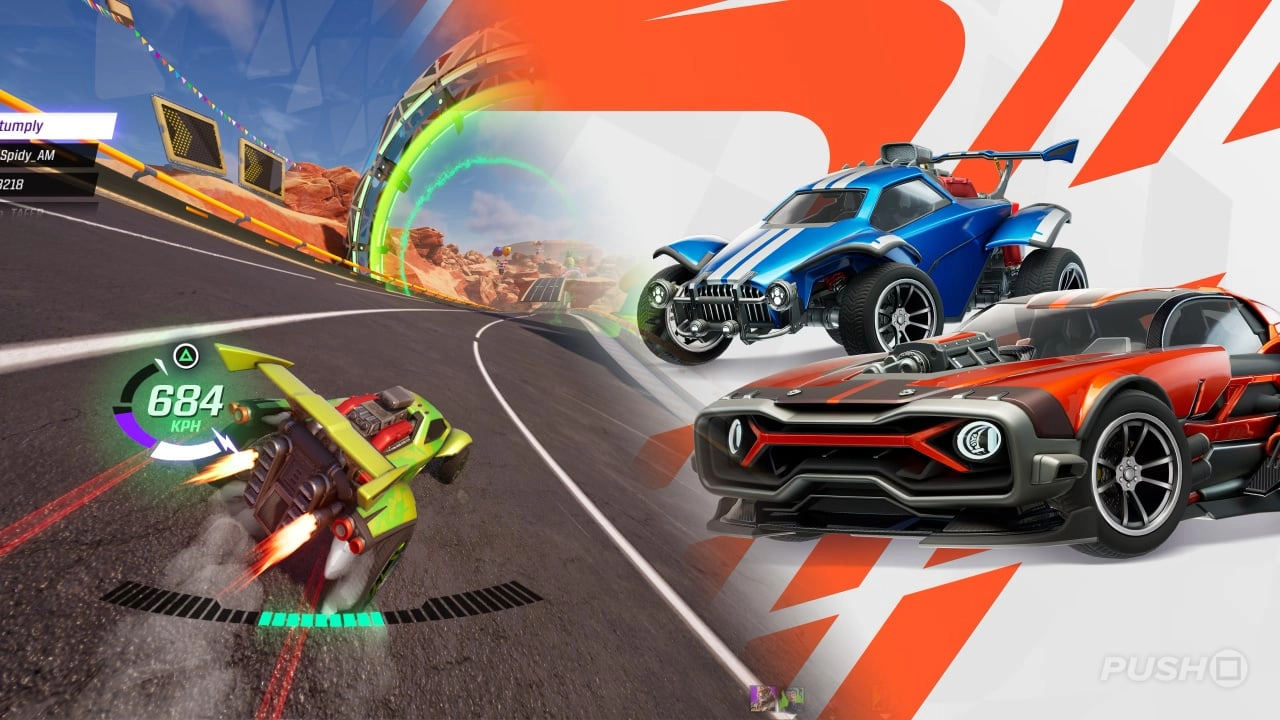
In the world of gaming, arcade racers have been trying to make a significant comeback. What was once a genre filled with mega hits is now seeing fewer breakthroughs, especially within the ranks of larger budget titles. Indie developers have taken up the mantle with various degrees of success, but it remains a tough market to crack. How does one then satisfy the itch for speed, drifting, and high-octane thrills? Fortnite seems to have stumbled upon an answer with a new in-game mode: Rocket Racing.
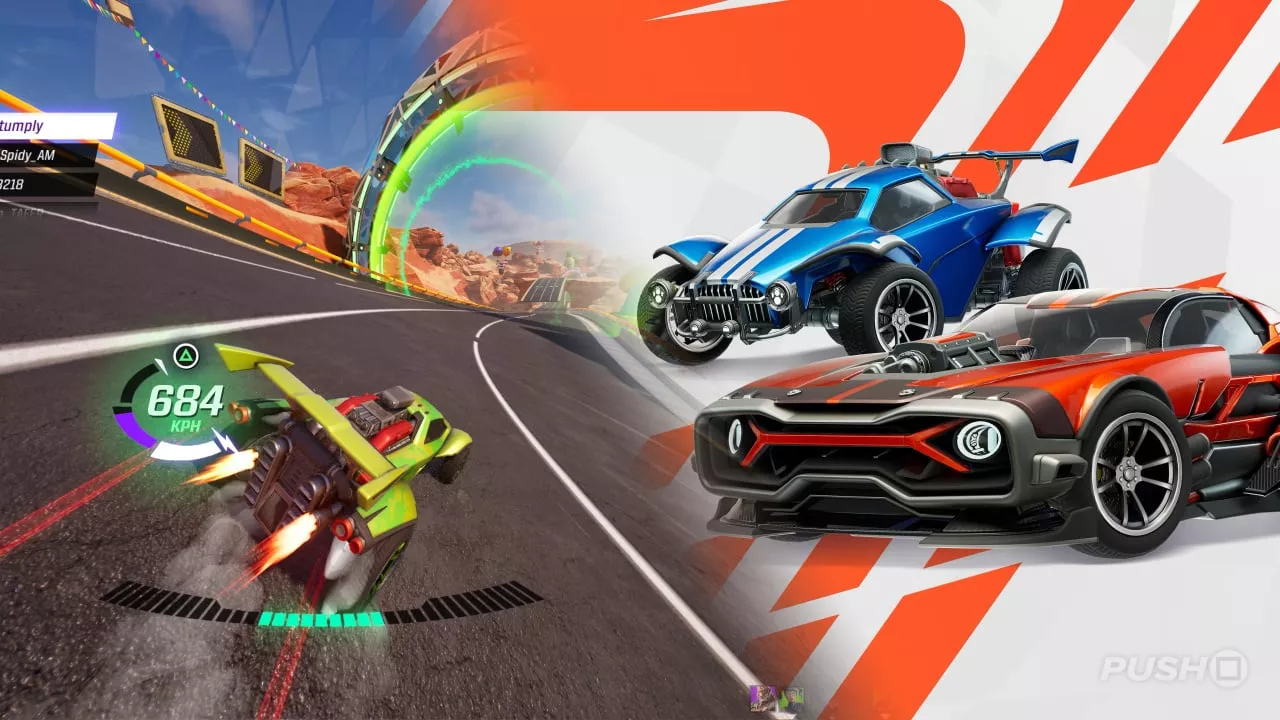
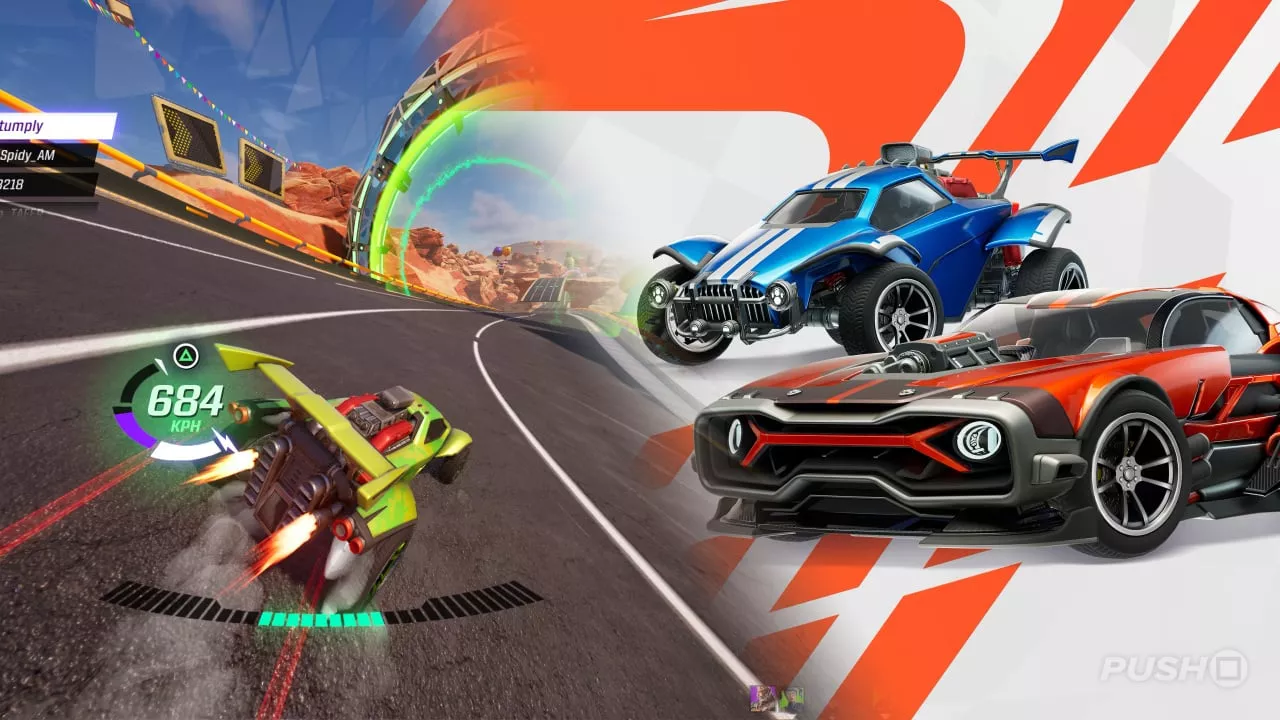
Developed by Psyonix, known for the incredibly popular game Rocket League, Rocket Racing is a standalone arcade racing experience within Fortnite. Although it shares aesthetics and vehicles with Rocket League, Rocket Racing offers a distinctively different style of gameplay. It ditches the literal soccer-with-cars mechanics for a more traditional, albeit power-slide-focused, racing setup involving twelve players.
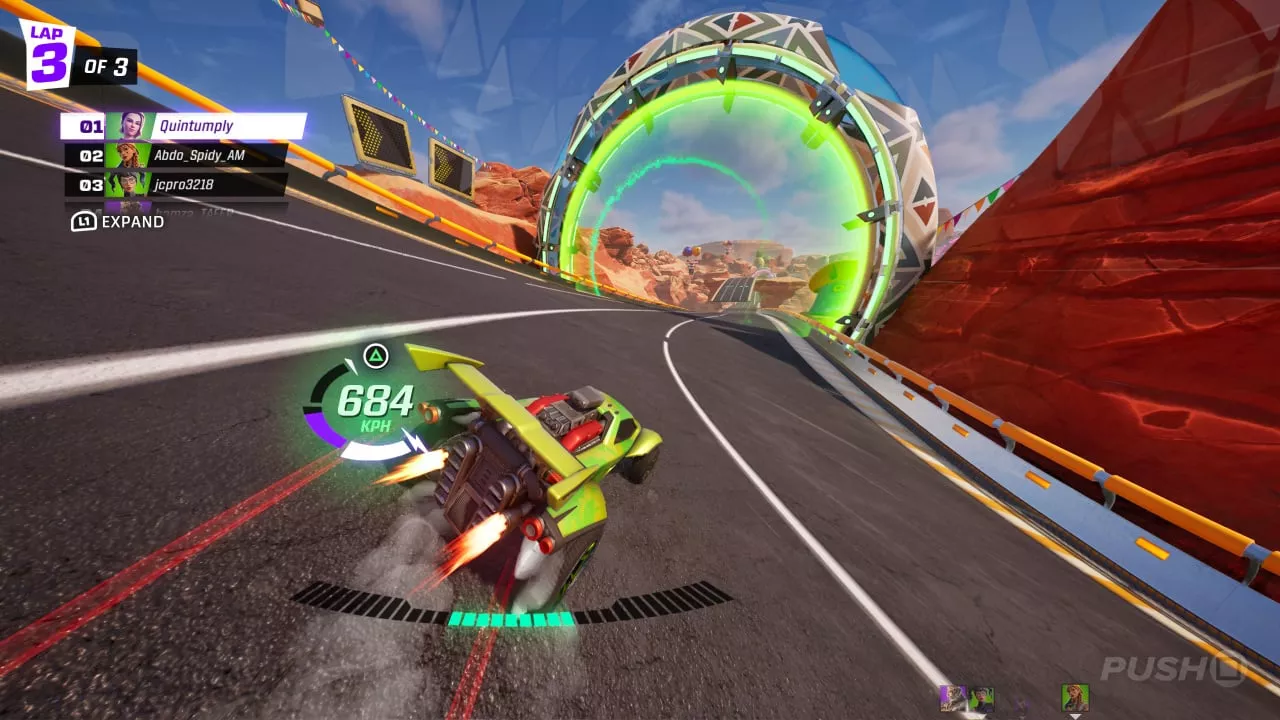
After spending several hours test-driving Rocket Racing, it's safe to say that it is an absolute blast. However, newcomers and seasoned gamers alike should take advantage of the tutorials. Mastering the controls can take a moment as steering evolves into drifting if held down, which is crucial for gaining boost. Once a segment of the boost gauge fills, players can unleash a burst of speed that is both visually satisfying and crucial for winning. The game mechanics feel tightly responsive, and there is an undeniable rush that comes with executing perfect drifts and chained boosts.
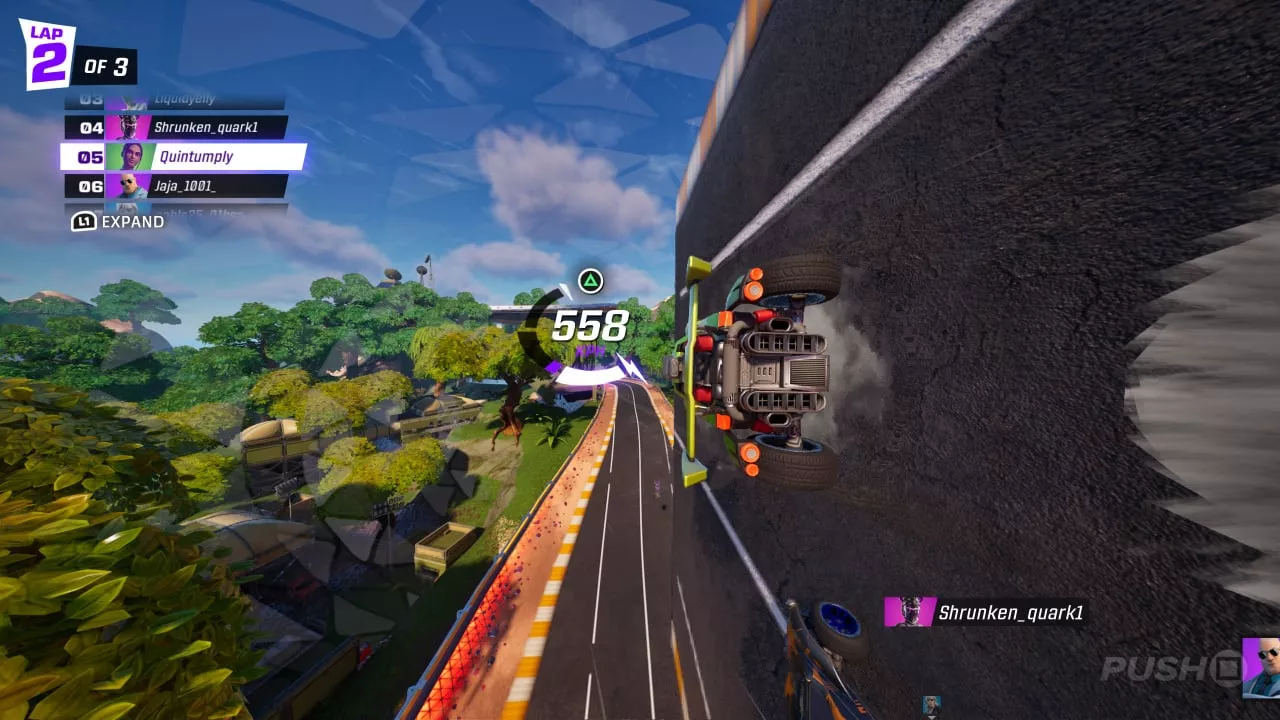
Apart from road racing, this mode incorporates the iconic flying abilities of Rocket League's battle cars. Players can scale walls, defy gravity, and even drive upside-down, adding a new dimension to traditional racing tracks. This verticality combined with obstacles that challenge your momentum introduces a complex layer to the races. Each track includes multiple routes, secret shortcuts, and boost pads, thus making quick thinking and course knowledge keys to victory. To keep the gameplay balanced, flight is not overpowered and can only sustain for a short duration.
With 26 difficulty-graded tracks, players start in novice races and ascend to higher ranks, where they encounter more intricate tracks brimming with hazards and alternative paths. Such design intricacies emerge in higher-tier races, demanding a thorough exploitation of the automobile's capabilities for the best track times.
Players aren't limited to ranked races; it's entirely possible to enjoy unranked laps on any track. Rocket Racing stands out by avoiding the shadow of other arcade racers, like Mario Kart, by emphasizing player skill and track mastery. Most vital of all, hopping into a race is uncomplicated fun, dishing out an energetic and refreshing racing experience each time.
Despite its irresistible core gameplay, there's no denying that Rocket Racing has yet to realize its full potential. The mode suffers from noticeable bugs including invisible cars, unwarranted collision issues, and starting line immobility. While matchmaking glitches appear to be resolved, it's apparent that technical fine-tuning is still needed.
In terms of content, Rocket Racing currently feels somewhat skeletal. Epic Games has promised that this mode will be a permanent fixture within Fortnite with plans for future updates. The essentials are commendable, with numerous tracks already offering much to master. It's the prospect of what could come that's truly exciting—a potential for new tracks, diverse race types, and additional content could transform Rocket Racing into a much more robust experience.
For now, Rocket Racing presents a mostly reliable arcade racing mode with promises of expansion and improvement. Its successful evolution will not only enhance Fortnite's appeal but could captivate countless gamers looking for a competitive yet exhilarating drive. Players who have already jumped behind the wheel have a lot to look forward to as Rocket Racing gears up for the future.

You must be logged in to post a comment!
