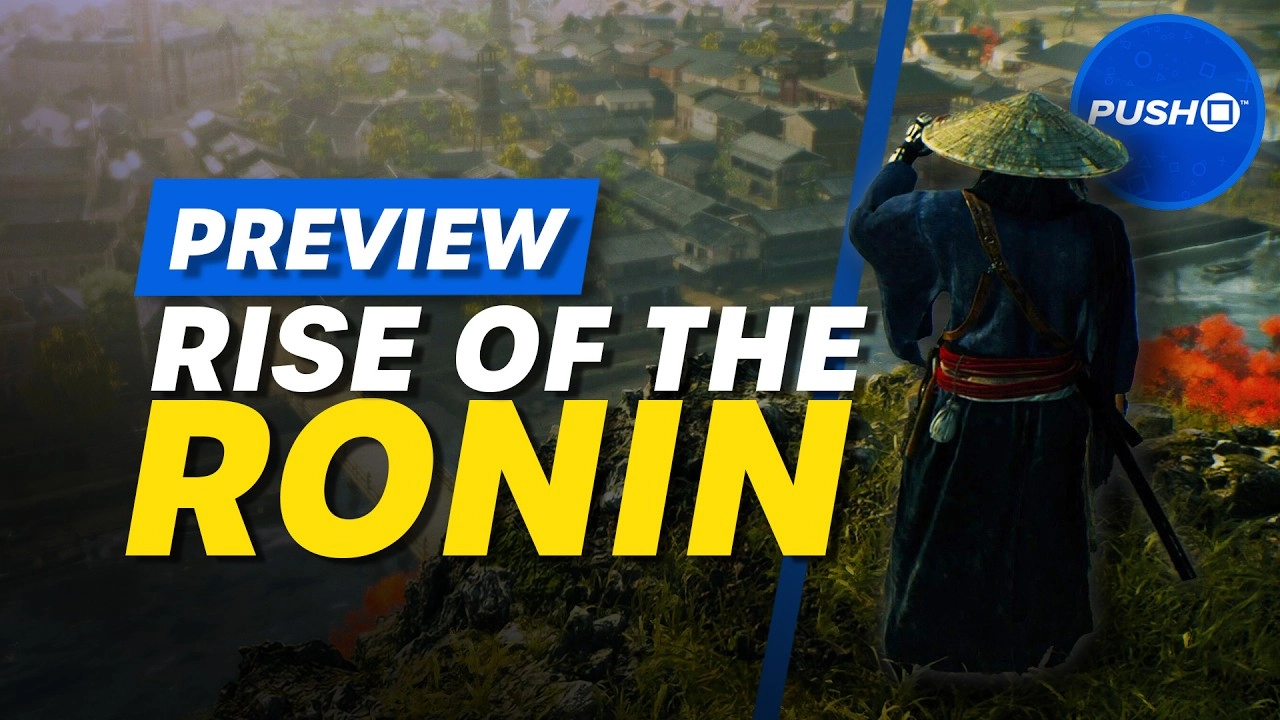
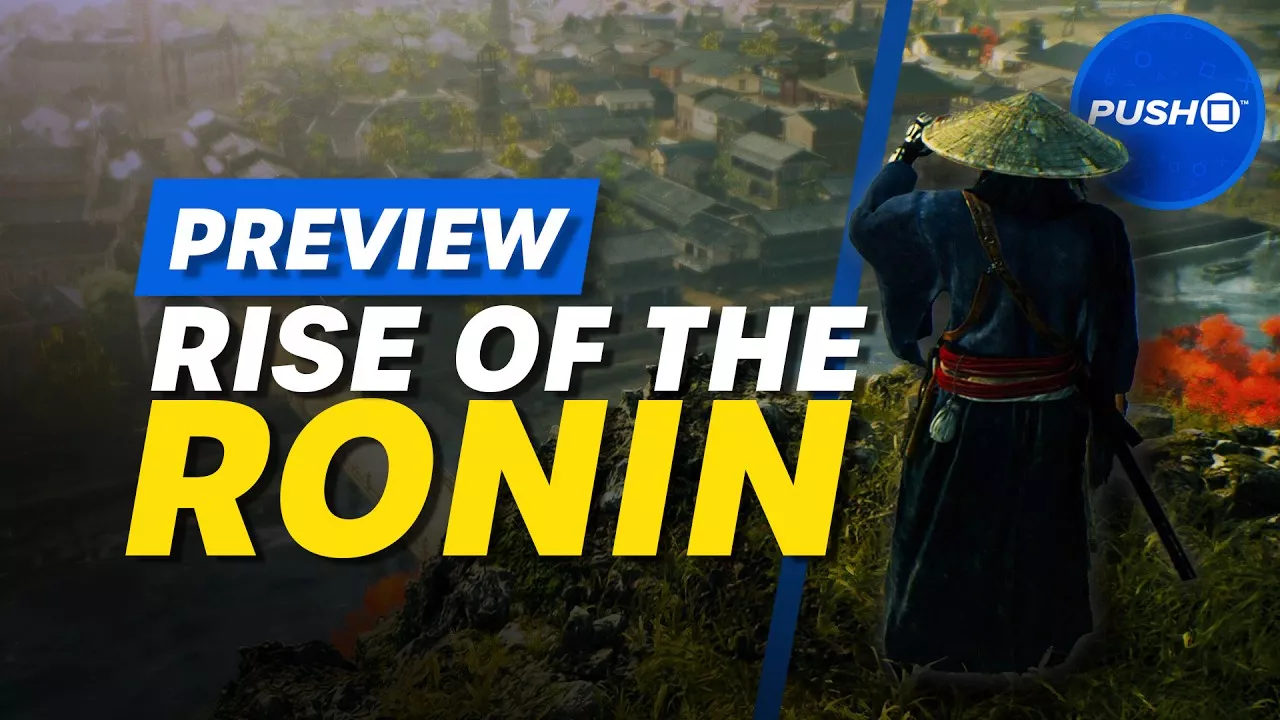
Rise of the Ronin, the latest game from the reputable Team Ninja, a studio with nearly three decades of experience, is catching attention not as a revolutionary endeavor but as a milestone of accessibility. The studio, renowned for its challenging Ninja Gaiden series and the Nioh franchise, is venturing further into the mainstream realm while maintaining its core identity with Rise of the Ronin. Financially supported by Sony, the game is a testament to Team Ninja's move towards a game that can be enjoyed by a wider audience without alienating their long-time fans.
In a sample play of four hours, Rise of the Ronin appears to be a classic Team Ninja title, albeit slightly toned down in difficulty to welcome those less familiar with the studio's typically punishing games. The title offers three levels of difficulty, ample checkpoints, and a clear-cut tutorial system, ensuring a balanced challenge. In this preview period, the game resulted in just a single player death, signifying the refined balance between challenge and accessibility.
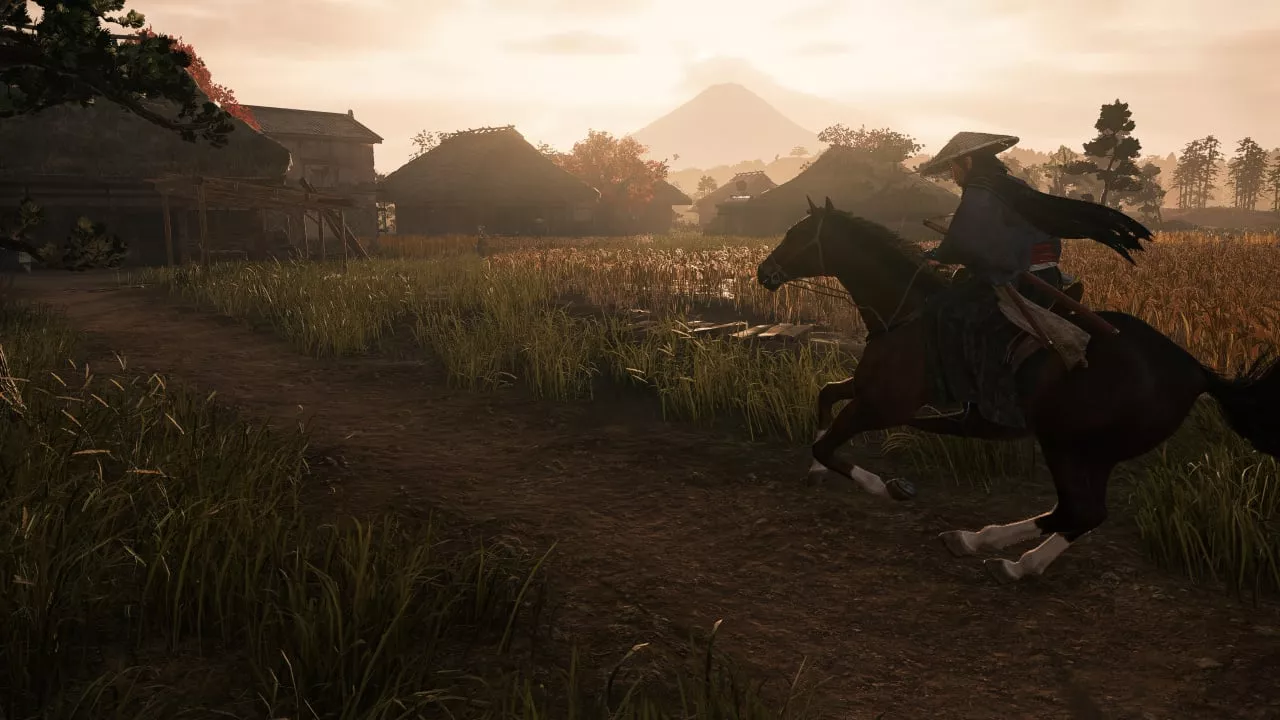
Players are introduced to a vibrant and historically inspired open world after a linear tutorial phase which allows for the customization of two characters and acquaints players with a simplified combat system. The world is expansive, featuring numerous activities characteristic of the open-world genre. For Team Ninja, recognized for their mission-based games, this leap into expansive environments represents uncharted territory.
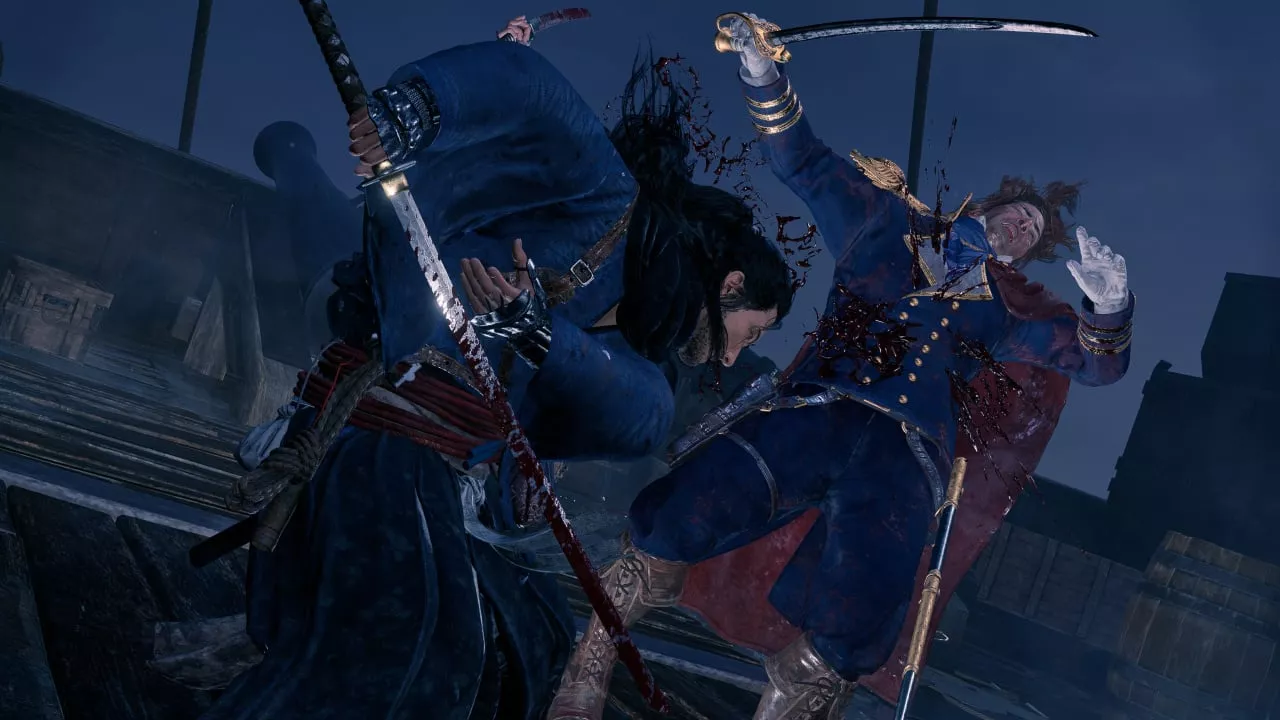
Those who have braved the franchises of Nioh or Wo Long: Fallen Dynasty will encounter a familiar combat system, adapted for a wider audience with traces of Dark Souls-like features cleverly woven in. Combat is simplified, your character is more robust, enemies are less formidable, and added tools like grappling hooks enhance the experience. This integration of traditional mechanics with new elements culminates in a more conventional action-adventure appeal, differentiating it from the likes of the more intricate Elden Ring, yet retaining the essence of its inspiration.
Veterans of FromSoftware games can still spot familiarities with Veiled Edge Banners serving as Bonfires, revitalizing health and inventory while respawning certain foes. However, with regular checkpoints, the restart point upon death isn't always one of these banners, showcasing a departure from the conventional mechanic.
Combat draws parallels with Sekiro: Shadows Die Twice but is less rigorous, focusing equally on depleting an enemy's health and stamina (Ki). Players can exploit well-timed parries and deflections to leave enemies vulnerable while having alternative strategies at their disposal, asking for a modicum of tactical awareness.
The game is undeniably the most approachable in the genre, distancing itself from the notorious difficulty of its predecessors and numerous imitators. Its world, though seemingly uncomplex on the surface, reveals depth as players increase their Bond Level in various zones, uncovering new icons and activities and garnering rewards, including elements like photography, shrine prayers, and hunting fugitives.
Building relationships with characters opens up the opportunity to nurture companions or romance, with beneficial upgrades as your bond strengthens. Although these in-game relationships have not yet fully developed within the preview playtime, the potential for these mechanics piques interest.
Sony's influence is evident in the game's presentation, distinguishing Rise of the Ronin from past Team Ninja creations, with a highly polished opening movie and cinematic cutscenes. However, the game shows inconsistencies, with the noticeable texture pop-in in open spaces and areas such as Yokohama lacking in NPC density. Despite this, the interactions and architecture depict an engrossing fusion of Eastern and Western influences, enriching the exploration experience. The anticipation to discover how the game further explores this cultural amalgamation is a primary driver for continued exploration.
Rise of the Ronin projects greater ambitions with its scale and depth compared to Team Ninja's previous works. However, the extent to which it surpasses its progenitors remains uncertain based on the initial hours of gameplay. The game demonstrates consistency in delivering an engaging experience yet has to deliver a defining moment reflecting Sony's vested interest.
While showing promise, Rise of the Ronin has yet to achieve greatness. The four hours of gameplay discussed in this preview place the game firmly in the realm of good without reaching the heights of some other PS5 exclusives. As Rise of the Ronin gears up for its launch on March 22, 2024, anticipation persists, and with further analysis and full gameplay experience, a comprehensive review will be provided. Whether this glimpse into the game raises excitement or skepticism among players is an open question.
Team Ninja's foray into creating a more accessible game with Rise of the Ronin could well broaden its appeal and introduce new players to the studio’s distinctive style. Whether it manages to retain the essence of their hardcore titles while inviting a new audience will be a delicate balance to strike. This evolution is both promising and intriguing, potentially marking a new chapter for Team Ninja and the players who embark on the journey with Ronin.

You must be logged in to post a comment!
