Riot Games, the prominent video game developer behind the massively popular title League of Legends, has recently made a significant decision affecting its global workforce and strategic partnerships. The company has announced that it will be laying off around 11% of its employees, equating to approximately 530 individuals across its numerous locations. The move comes as a part of a broader restructuring process that Riot Games believes will be essential for its future growth and stability.
The announcement was made public through a detailed post on the company's official website. In this communication, the Riot Games emphasized the necessity of concentrating on what they consider their strength – creating and maintaining their core games and live service titles, with League of Legends and Valorant taking the prime focus. The statement from Riot Games elucidated their strategy as zeroing in on their areas of excellence and delivering what truly engages their audience. This specific trajectory is aimed at ensuring every project, whether it involves development, storytelling, or competition, is structured to provide impactful and lasting experiences, with games serving as the central element.
This refocusing effort has led to the restructuring of teams and resources within the company, particularly affecting departments that do not directly deal with core game development. That being said, it's important to note that not all ongoing projects are being halted. 'Project L', for example, remains in the pipeline and is progressing as planned. However, the changes have led to the downscaling of certain projects, such as reducing the development team for Legends of Runeterra, which will most likely affect the scale and frequency of future updates and expansions for the digital collectible card game.
Perhaps the most noteworthy consequence of the reorganization is the discontinuation of Riot Forge's operations. Riot Forge was an initiative responsible for facilitating the creation of 'League of Legends story' games in collaboration with independent game developers. Through Riot Forge, Riot Games had hoped to expand the League of Legends universe by partnering with indie developers to produce unique gaming experiences. Despite the partnership not having released core games on Xbox platforms, it had successfully brought several titles to the PC Game Pass.
The suspension of Riot Forge is a clear indication of the company's heightened focus on its direct offerings and perhaps a reevaluation of the effectiveness of external partnerships. This decision underlines a growing trend in the industry where even large organizations are reassessing their business models and investment strategies, particularly in the face of the dynamic and often unpredictable gaming market.
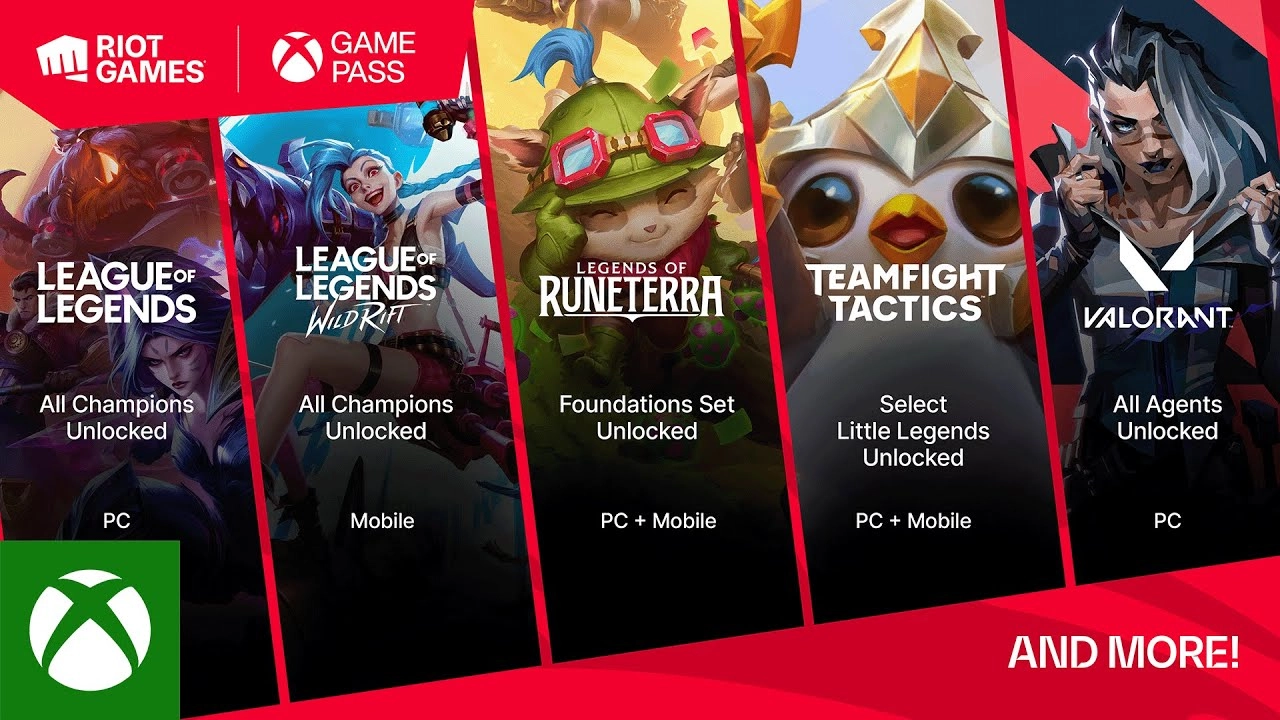
While Riot Games has enjoyed a great deal of success with its headline titles, the changes are part of the company's effort to optimize operations and ensure long-term sustainability. Accommodating titles like League of Legends and Valorant on the PC Game Pass is a testament to Riot's commitment to keeping their flagship games accessible and continually relevant to the gaming community. This level of dedication provides subscribers with "amazing content" and ensures that Riot Games maintains a formidable presence on widely used gaming platforms.
The impact of the layoffs on Riot Games' future and the gaming industry, in general, is yet to be fully seen. Layoffs are always tough news for the gaming community, as they not only affect the lives of those directly involved but can also influence the development and outcome of beloved gaming franchises. While Riot's decision might be deemed necessary from a strategic standpoint, it reinforces the precarity of the video game industry and the need for companies to adapt swiftly to internal and external pressures.
Ultimately, this restructuring underscores a broader narrative within the tech and gaming industries, where companies must balance innovation and growth with financial sustainability in a rapidly evolving market landscape. It is an instance that reflects the ongoing complexities that even successful companies like Riot Games face as they navigate the intricate terrain of the global gaming market. The changes at Riot, from layoffs to the concluding partnership with indie developers, are therefore not merely about numbers or strategies, but about the continuous efforts to preserve a legacy in gaming while striving for vitality in a competitive industry.

You must be logged in to post a comment!
