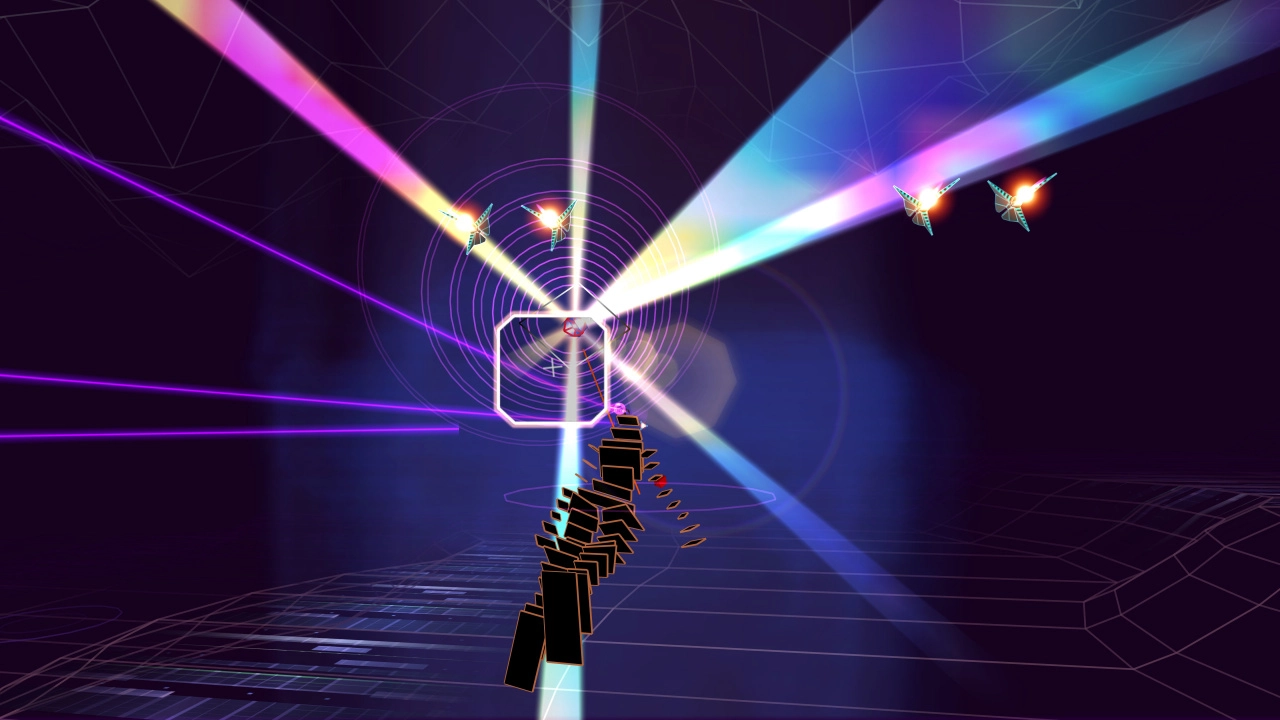
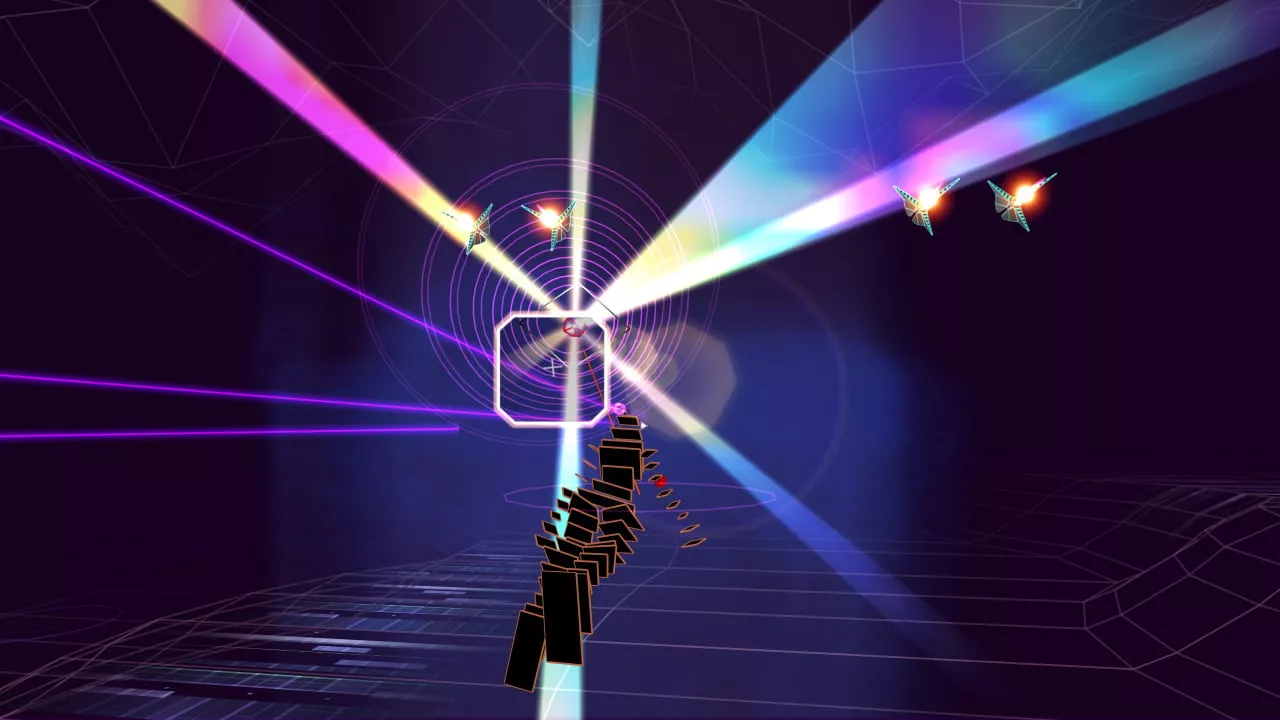
When Rez was released in 2001, it was unlike anything players had seen before. Its creator, Tetsuya Mizuguchi, had a vision to create a game that was not just another title in the catalog but a form of art that would endure through the ages. Over twenty years later, Rez has not only stood the test of time, but it has evolved, using innovative technologies like PSVR2's eye-tracking feature to draw in a new generation of players.
Rez's inception took place long before it hit the shelves. During a work trip to Switzerland, Mizuguchi, previously involved in creating Sega's hydraulic AS-1 motion simulator and producing the arcade favorite Sega Rally Championship, experienced a street parade that would ignite the spark for Rez. The unity of sound and light mesmerized him and sowed the seeds of an idea that would marry gaming with music, where shooting down enemies would create a musical experience.
Founded on the concept of synesthesia—stimulating one sensory pathway that leads to automatic, involuntary experiences in a second pathway—Rez became Mizuguchi’s primary focus. To transform his idea into a real game, he renamed Sega R&D #9 to United Game Artists, assembling a team that understood his vision, which included not just Japanese developers but also an American, Jake Kazdal. With a collective passion for what they were building, the team embarked on a journey of extensive research. They attended Taiko drumming festivals, recorded street musicians, and watched visualizations in clubs to understand how visuals and sounds connected people.
The development was far from easy. With United Game Artists also working on Space Channel 5 for the Dreamcast, balancing two ambitious projects was challenging. Yet, for Mizuguchi, this parallel development was almost therapeutic, allowing him to switch between pure entertainment and a more profound experience. Kazdal recalls his initial months on the team as tough, being the only non-Japanese person, but it was this challenge that forged a strong sense of professional growth and fond memories.
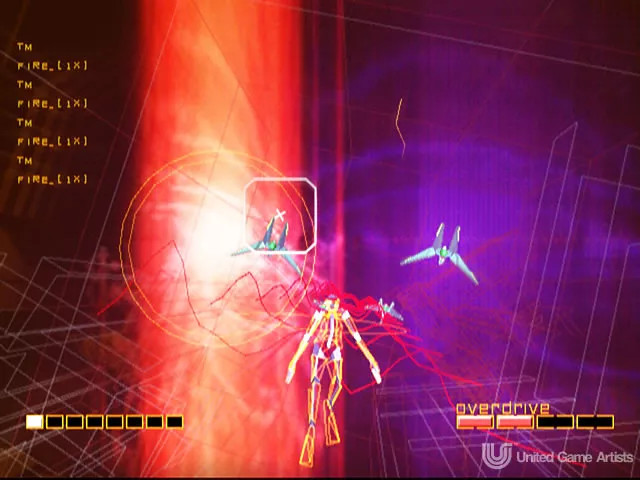
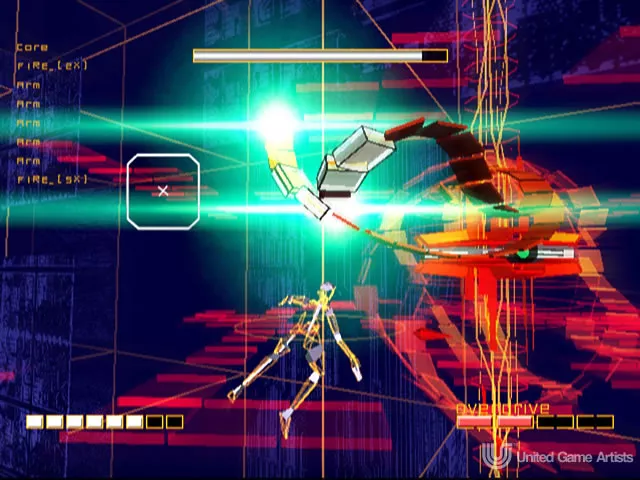
As Rez began to take shape, the blending of audio and visuals took center stage. Firing shots in the game would create a rhythm, synched to the background music—a concept which seemed like magic when it first worked correctly. With the team adding elements like changing backtracks akin to a DJ mixing live, the mechanics finally clicked.
Rez's release brought enthusiastic critical acclaim, but sales were unimpressive. Soon after, Sega would undergo internal restructuring, leading to United Game Artists being dissolved and its staff reallocated. This period also saw Mizuguchi leave Sega after over a decade—yet this was not the end of his journey with Rez. He went on to form Q Entertainment, where he expanded the realm of synesthetic experiences with titles like Lumines and later established Enhance, Inc. Enhance would bring Rez Infinite to life—an updated version of the game that continues to dazzle players and features technological advancements like PSVR2 eye-tracking.
Rez's initial commercial reception was only a small part of its story. The title has since been hailed as a revolutionary creation in gaming history. Its reputation has only grown, attracting new audiences and securing its place as a cultural icon. Kazdal expresses immense pride in his work on Rez. The experimental and creative spirit of the team in Shibuya, the deep dives into uncharted design territories, and the lasting impact on players signify the monumental achievement of Rez—a game that forged new paths and continues to inspire.
Now, as Rez continues to evolve and reach new technological heights, Mizuguchi remains committed to his quest of exploring synesthesia in video games, ensuring that Rez, much like the art it was inspired by, remains a living, breathing experience that captivates the senses and imagination of gamers around the world.

You must be logged in to post a comment!
