Once upon a time in the gaming industry, amidst the heated competition of the late 1980s, a console emerged from Japan aiming to leave its mark on history. The NEC SuperGrafx, a successor to the much-lauded PC Engine, launched with high expectations. Nevertheless, this device, designed to impress and outperform, fell into the abyss of commercial failures, selling merely 75,000 units and seeing only six games grace its presence. Now, after decades, this relic has found its way back into the limelight, thanks to the meticulous labors of a dedicated modder.
The life story of the SuperGrafx is a mixture of ambition and misfortune. When NEC released the console in 1989, they sought to compete with the burgeoning popularity of the Sega Mega Drive. The PC Engine, released in 1987, had been a significant success in Japan, and NEC wanted to build on that momentum. The SuperGrafx boasted enhancements over its predecessor, despite their modesty, and was encased in an imposing exterior that hinted at gaming prowess. The system was even set to have a 'Power Console' accessory, but alas, this dual-stick controller concept would remain unreleased.
However, despite the promising setup, the SuperGrafx's life cycle was cut short. With only a handful of games ever produced for the console, the greatest of which was arguably the SuperGrafx version of Capcom's "Ghouls 'n Ghosts", NEC shelved the project to refocus on other PC Engine models. Consequently, the SuperGrafx drifted into obscurity.
Time has a way of turning failed experiments into rare treasures, and this gaming system was no exception. On the secondary market today, a SuperGrafx console can command eye-watering prices, fueled by both its rarity and its lineage within the revered PC Engine family. It's within this context that the skilled modder and YouTuber, Macho Nacho Productions, set out to resurrect a SuperGrafx. The exquisite process of restoration is showcased in an enthralling eight-hour video journey.
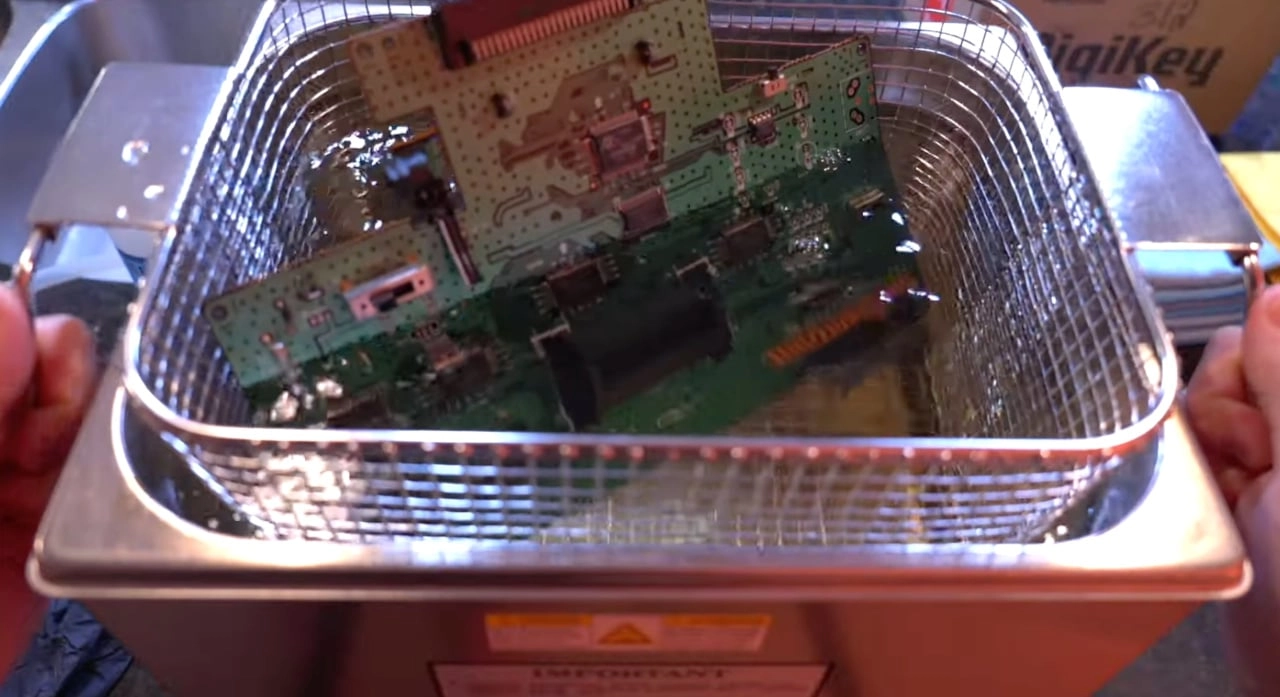
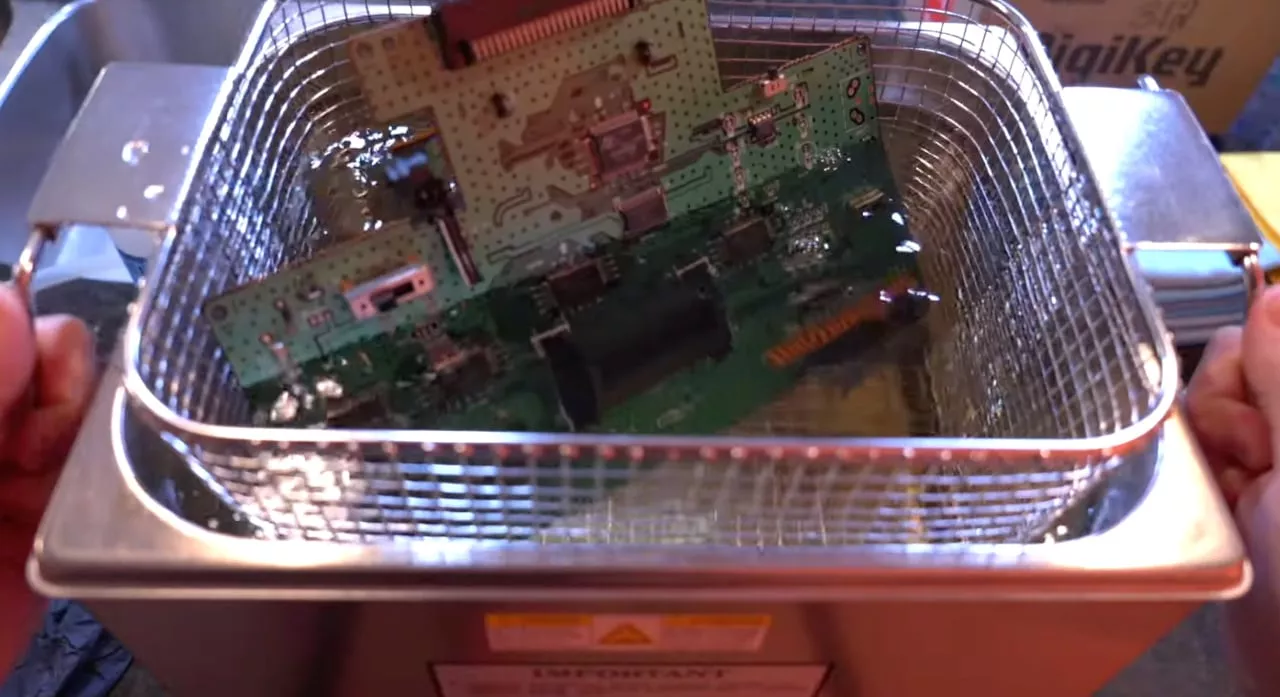
The restoration is nothing short of mesmerizing, as the modder goes to great lengths to breathe new life into the SuperGrafx. From replacing old capacitors that have long since worn out to installing a new AV mod that rejuvenates the console's visuals, the modder's dedication transforms the system into something even better than what it once was. One of the highlights of the restoration is the use of an ultrasonic cleaner, a method that meticulously cleans the mainboard and provides a fresh start for the hardware.
The use of an ultrasonic cleaner is a testament to the modder's attention to detail. This instrument is often used in the restoration of vintage electronics, as it can remove dirt, grime, and corrosion that accumulates over time without damaging the delicate components. The cleansing bath, combined with the other upgrades, ensures that the SuperGrafx not only looks like new but performs with outstanding quality.
This restoration is a celebration of the spirit of gaming itself – an homage to the innovation that drove the industry forward, even if some of those advancements didn't pan out at the time. Through this laborious process, the modder has ensured that this piece of gaming history won't just be a footnote characterized by its failure but rather a testament to the ingenuity and passion that continue to drive the gaming community.
Beyond this particular project, the revived interest in the SuperGrafx and other retro consoles speaks volumes about the enduring appeal of classic gaming. While the market is continually captivated by the latest technology and cutting-edge graphics, there remains a dedicated contingent that finds joy in the simplicity and nostalgia of previous generations. Through such restorations, the community keeps the heart of early gaming beating, showcasing the timeless nature of the games and consoles we've loved.
The SuperGrafx may have been a commercial blunder in its time, but today, thanks to the efforts of enthusiasts like Macho Nacho Productions, it stands as a fascinating piece of gaming heritage, a symbol of both the pitfalls and the potential of the industry. It's a reminder that sometimes, the flops and failures provide just as compelling a narrative as the successes. By revisiting and restoring such artifacts, the gaming culture enriches its own history, ensuring that even the most obscure consoles are remembered and appreciated.

You must be logged in to post a comment!
