
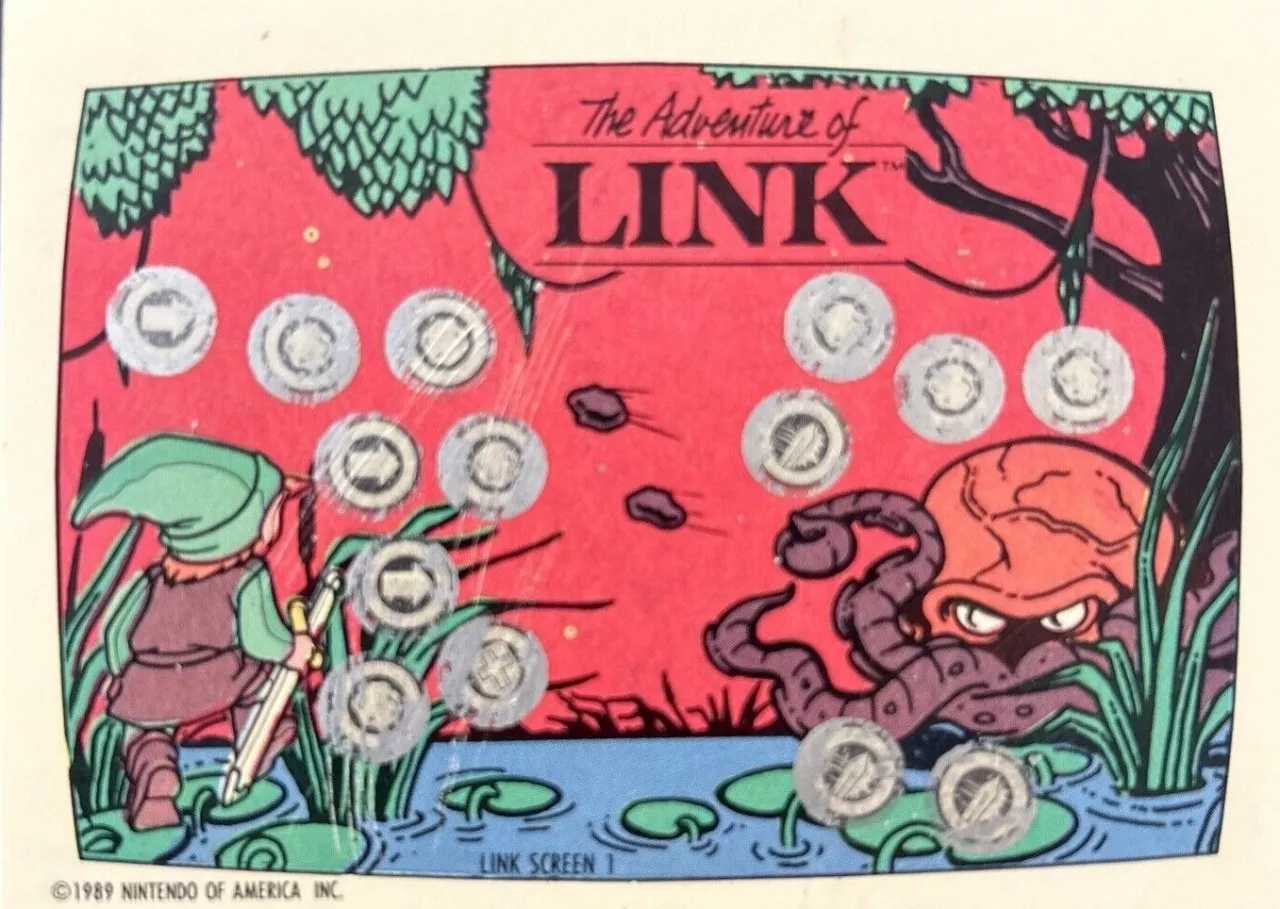
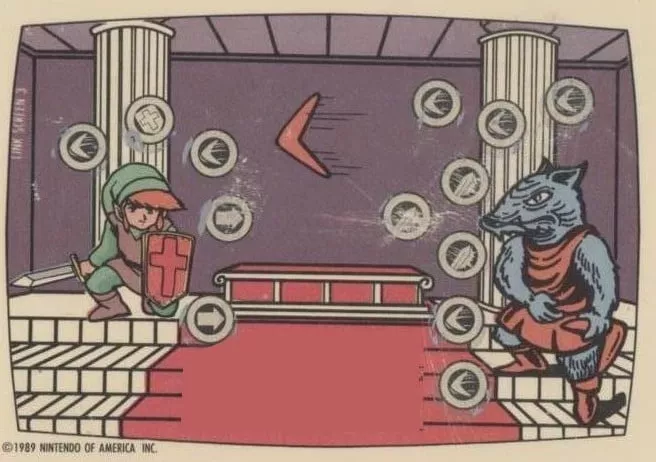
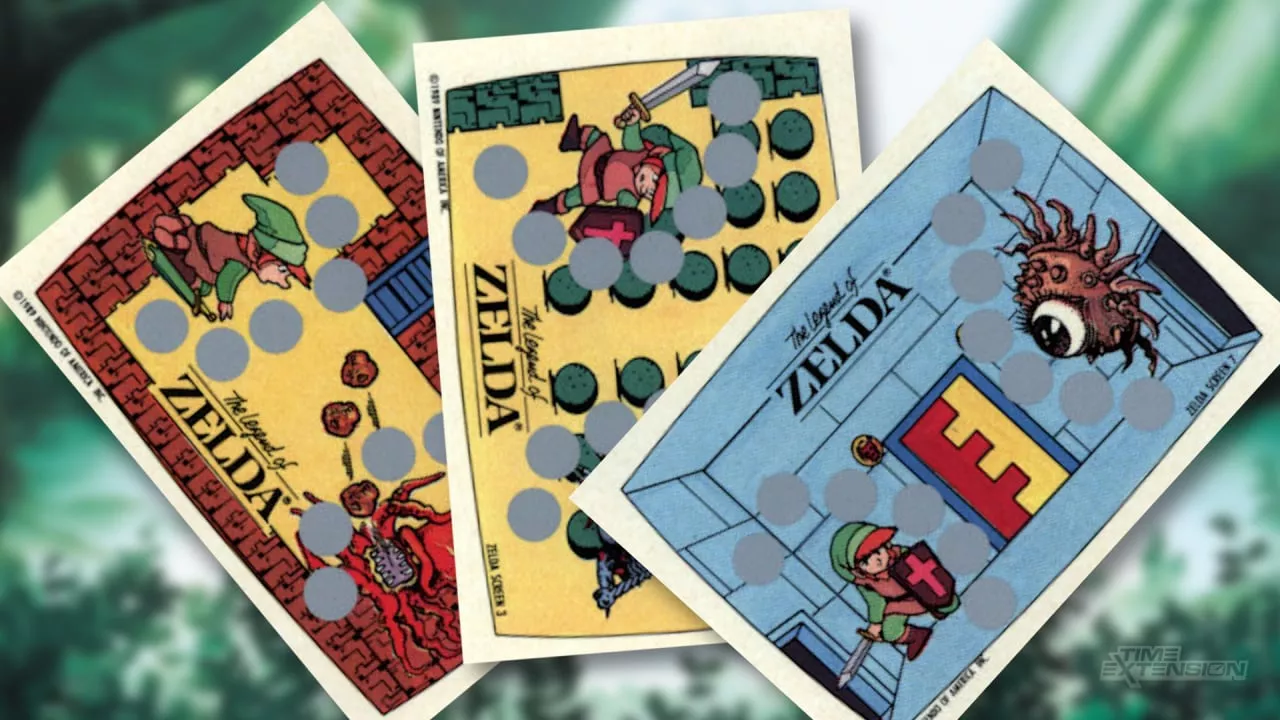
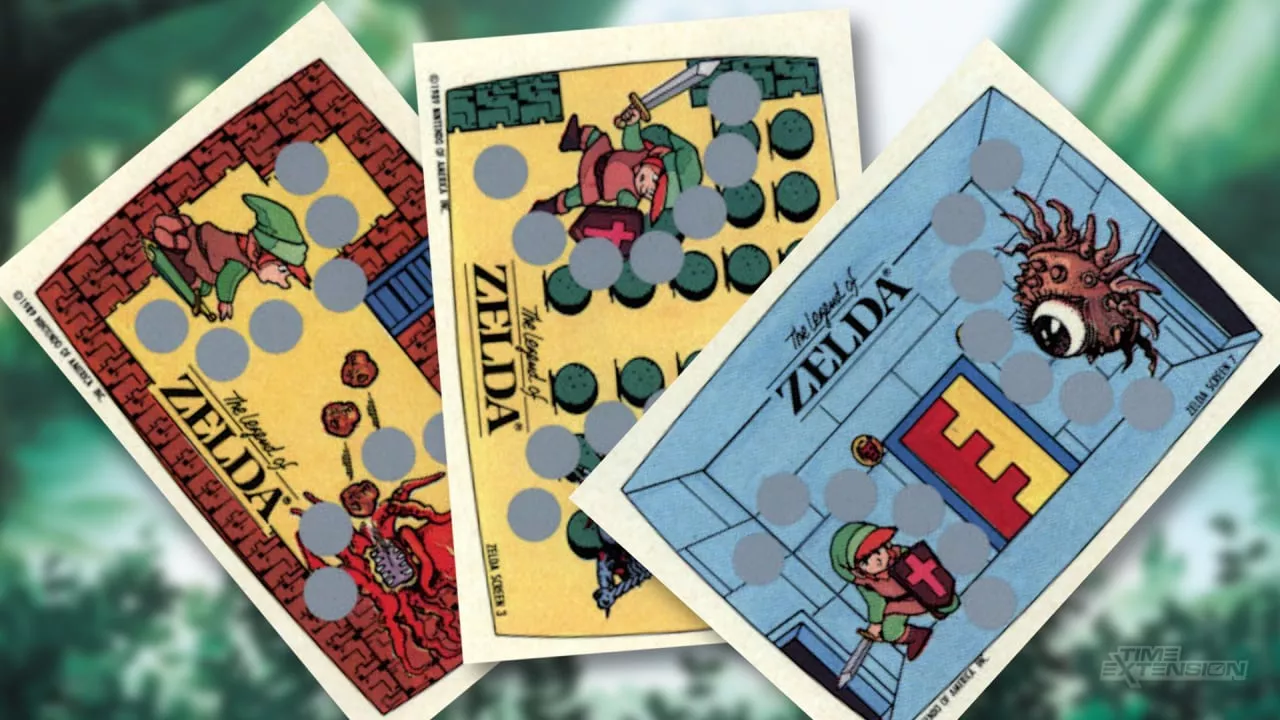
Once upon a time, the year was 1989, and among the various forms of entertainment vying for young gamers' attention were Nintendo's The Legend of Zelda and The Adventure of Link scratch card games by Topps. These cards offered a unique gaming experience, merging the thrill of scratch-off lottery tickets with the iconic Nintendo franchise. As a part of the 'Nintendo Game Pack', kids of the late '80s found themselves scratching away latex ink circles, seeking swords and shields while avoiding the doom of enemy symbols.
Now leap three decades forward, and we find a world where these physical cards have become fragile relics of a bygone era. In a somewhat valiant effort to resurrect these scratch games, an enthusiast not only sought to relive but also to share this piece of nostalgia with a new generation. Aware that the original cards were too delicate to scratch and fearing the loss of this unique Nintendo artifact, they set out on a digital archaeology quest to bring the game back to life.
The first step in this resurrection involved programming a virtual version of the scratch card experience. Having initially thought to code a reimagining of another board game tied to the Zelda universe, the zealot stumbled upon this particular scratch card game. Finding no known simulations of it existing, the enthusiast recognized the opportunity and challenge before them.
With a mix of determination and programming skills — self-confessed as rudimentary — work on recreating the Zelda scratch card game began. The procedure was laborious, involving intensive research and coding. High-resolution scans of the original cards were obtained from the Internet Archive, which provided a visual template; however, the positioning of symbols on the unscratched originals remained a mystery.
As one does in this connected age, the call was put out to the community of retro game lovers: anyone who had these pre-scratched cards was invited to share images. This collaborative approach was essential, as it would allow for the accurate replication of symbol positioning — a crucial aspect for creating an authentic simulated experience.
The recreated game could not be a one-to-one copy though. Since the actual odds and layout of the symbols beneath the silver coating were lost to time, guesses had to be made, and adjustments were instituted to create a fair yet challenging modern version. Within this simulation, DAT files represent the left and right sides of a card, with symbols randomly distributed to keep the game interesting and unpredictable.
The programming of this digital throwback was not without its quirky character. Instead of a chiptune soundtrack, the game's music was humorously created by the developer themselves who attempted to hum the Zelda and Link overworld tunes, aiming to emulate the acapella renditions kids might have improvised while playing with the original cards.
In a testament to the spirit of sharing that underpins the gaming community, the finished code was freely released for others to adapt and improve. Suggestions like adding true scratch-off mechanics or updating the DAT files to better mirror the original odds were encouraged. The aim was clear — this was now a community project, designed to keep a piece of history alive and kicking in the digital world.
Amidst the nostalgic revival, other curiosities were uncovered. The creator came across cards that suggested the existence of a second series of the game, previously unknown. This hinted at an even broader, unexplored territory within this little pocket of Zelda history. The community's input became all the more valuable, potentially unlocking secrets yet to be shared.
Bringing the past into the present, the efforts to digitally revive the Zelda scratch card game did more than pay homage to a childhood treasure. It underscored the ongoing conversation between technology and tradition, the collective accountability to preserve what once brought joy, and the potential of collective efforts in uncovering and revitalizing parts of our cultural heritage that might otherwise be forgotten.
With an invitation wide open for anyone to join in the adventure, the reconstructed scratch card game awaits new and old fans alike — a digital testament to the creativity and ingenuity of a generation of gamers and the enduring legacy of a gaming icon. Whether one is drawn by the pull of nostalgia or the charm of a community-driven project, there’s something magical in the digital enlivening of a 1989 Zelda scratch card game for the world to enjoy once more.

You must be logged in to post a comment!
