
Last month marked a notable moment for classic video gaming enthusiasts as British publisher System 3 announced its ambitious plan to reintroduce the revered Last Ninja games along with three other titles in an all-in-one collection designed for current gaming platforms such as Nintendo Switch, PS4, PS5, Xbox One, and PC. Propelled by a successful Kickstarter campaign that reached its £10,000 goal within just 40 minutes, the collection aims to serve as a homage to the golden era of video gaming, featuring seven classic System 3 titles. This collection is not only a trip down memory lane but also an effort to preserve the rich history of video gaming.
In an enlightening interview, Mark Cale, co-founder and CEO of System 3, delved into the origins of the iconic titles and the motivations behind their current revival. Cale’s journey in the gaming industry began unexpectedly. After starting his career as a freelance photographer with connections at Atari UK, Mark was encouraged to pivot towards video game development, a suggestion that came directly from his interactions at Atari. This advice led him to abandon photography and establish System 3, initially with two other partners.
The conversation revealed that System 3’s debut game, Colony 7, did not meet expectations, which Cale candidly discusses as a learning experience for the team. These early challenges were pivotal, as they navigated through various partnerships and technical trials, shaping the unique reputation of System 3 in the gaming world.
A particularly fascinating anecdote from Cale centered around the 1985 Personal Computer World event, which played a crucial role in propelling System 3 into the limelight. In an era where marketing stunts were as bold as the personalities behind them, Cale’s decision to hire a karate demonstration team and a controversial dance troupe reflected the daring and innovative spirit that would come to define System 3.
The Last Ninja games, inspired by the simplicity and engagement of early martial arts films and platform games like Bruce Lee from Datasoft, were borne out of a desire to blend adventure with martial arts challenges. This successful formula led to significant acclaim and established The Last Ninja as a beloved series among gamers.
Looking towards the present, the decision to reintroduce these games through a modern collection stems from several factors. Cale noted the current surge in interest for retro games as a crucial rationale behind the collection. Moreover, he expressed a responsibility to preserve these iconic games for new generations of gamers, highlighting the importance of accessibility and preservation in the digital age.
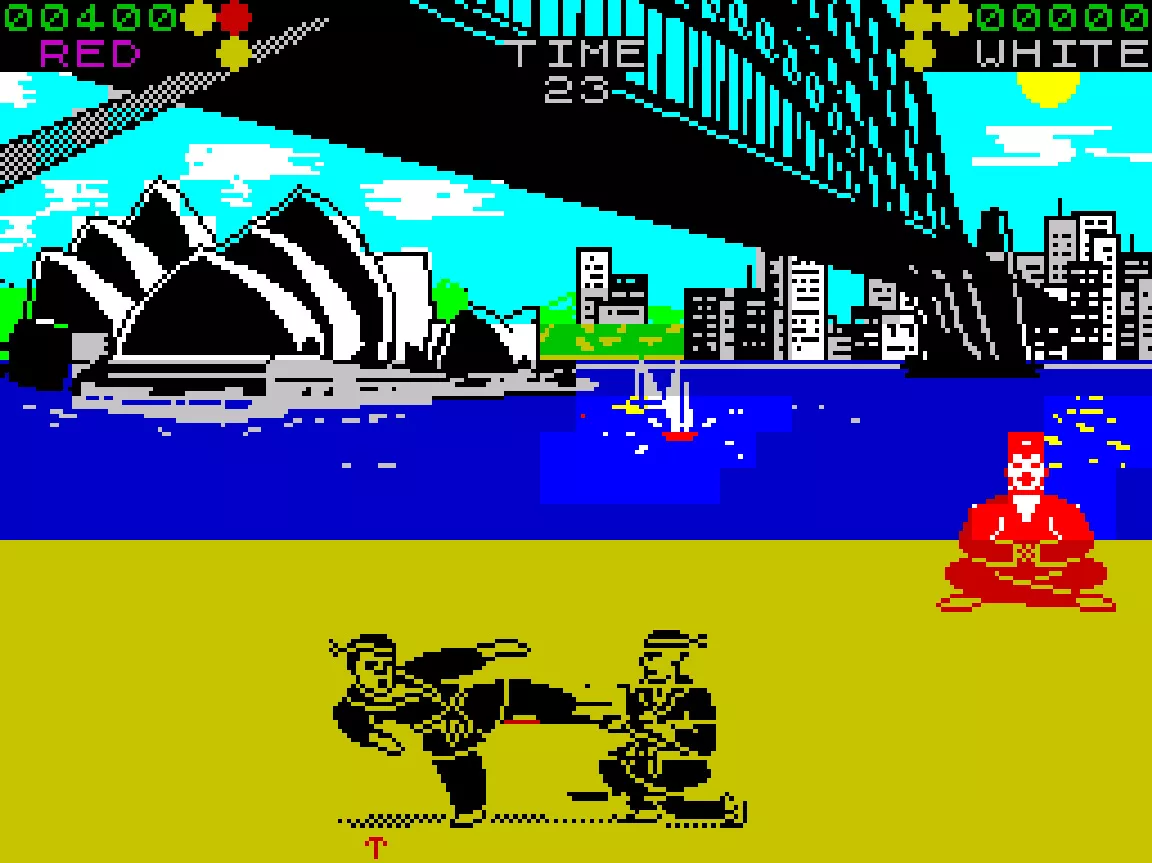
Apart from bringing back The Last Ninja series, the collection also includes martial arts-themed games like International Karate and Bangkok Knights, chosen for their thematic alignment and historical significance within the martial arts genre in gaming. This collection aims not only to offer nostalgia but also to provide newer gamers an understanding and appreciation of the genre’s evolution.
While much of the collection focuses on bringing back these classics, there is also a keen emphasis on adapting them faithfully to modern hardware, a task that involves significant technical challenges, particularly with older titles designed for platforms like the Atari ST and Spectrum.
Moreover, hidden within the higher tiers of the Kickstarter campaign are unreleased projects like Last Ninja 4 and IK++, offering backers an exclusive glimpse into what could have been. These projects reveal the iterative and sometimes turbulent nature of game development, where political and financial hurdles can stymie even the most promising games.
As System 3 continues to navigate the complexities of modern game development and distribution, this collection not only serves as a revival of classic titles but as a testament to the enduring legacy of Mark Cale and System 3 in the video game industry. Their story is one of innovation, adaptation, and the continual quest to blend creativity with technological advancement. The reintroduction of these classics is not merely a business venture but a passionate endeavor to keep the spirit of early video gaming alive for future enthusiasts.




You must be logged in to post a comment!
