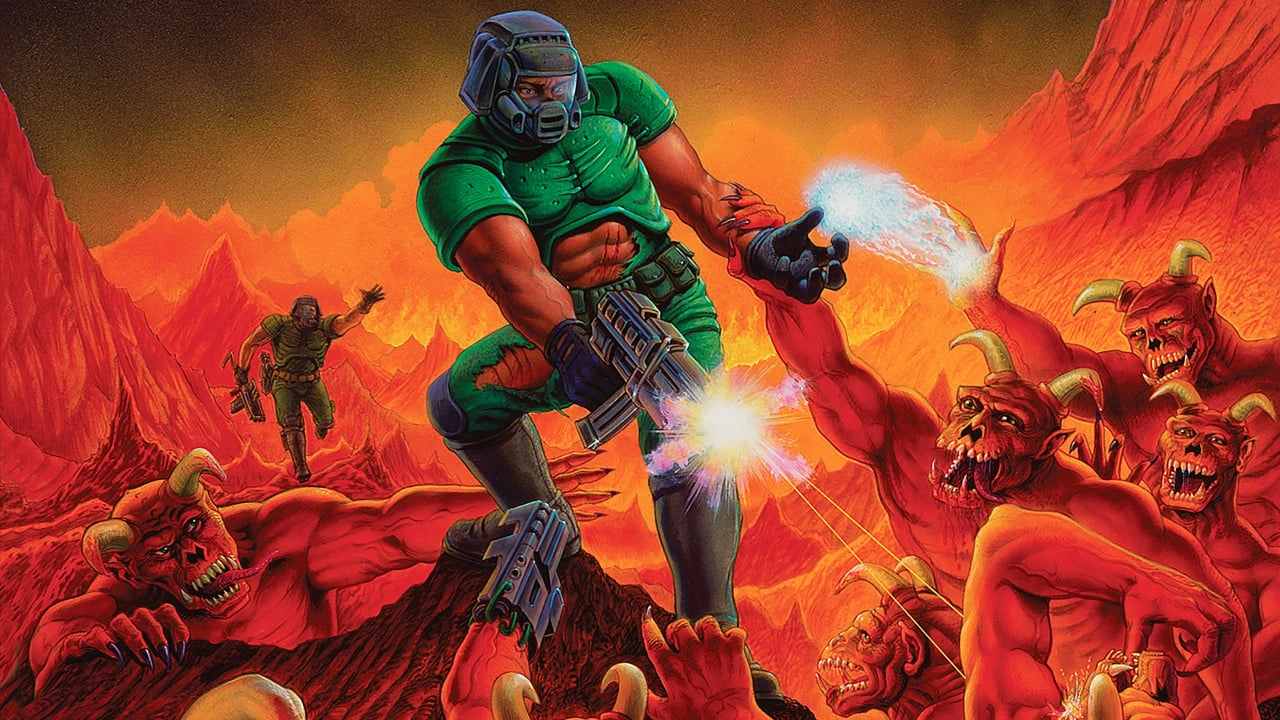
Back in 1995, Randy Linden and his team accomplished what was then deemed nearly impossible—porting the iconic game Doom to the Super Nintendo Entertainment System (SNES). Despite the technical limitations of that era, which required significant cutbacks to gameplay elements, their effort was a success and is still celebrated as a milestone in the history of 16-bit gaming. However, Linden believes there is room for improvement and has embarked on a mission to refine and update this classic for modern gamers.
Earlier this year, it was revealed that Linden has partnered with Limited Run Games to create a new and enhanced physical release of SNES Doom. This project involves rebuilding the game from scratch while integrating previously missing content and some exciting new features. Among these are full-motion video and support for a rumble feature, facilitated by a new controller developed by Innex.
In discussing the inception of this revamped version, Linden explained that the idea sparked from a conversation with Audi Sorlie from Limited Run Games, soon after Linden's interview with Digital Foundry. Sorlie's proposal for an updated SNES Doom resonated with Linden, who quickly embarked on the project. The updates would not only include additional levels missing from the original release but also an entire missing episode from the Doom series, as approved by the game creators at id Software.
The core of these enhancements is the development of a new chipset, compatible with the Super FX technology used in the original SNES Doom. This updated hardware, nicknamed internally as "Super FX 3," provides a larger memory space and faster operational capabilities, vital for incorporating the ambitious new features of the release. Initial designs for the chipset were based on open-source emulators and existing FPGA firmware, modified to meet the specific needs of this project.
Linden's efforts greatly surpass the original Super FX chip's capabilities developed by Argonaut in the 1990s. The new chipset features a maximum of 4 Megabytes of cartridge space, of which 3 Megabytes are allocated to Super FX and SNES functionalities, with the remaining dedicated solely to the SNES for improved media handling like music and graphics.
This breakthrough is not just for the doom franchise—Linden and his team are open to sharing the Super FX 3 specifications with other developers interested in enhancing or creating new SNES titles. While Linden focuses primarily on the software aspects of the project, collaboration with Bitmap Bureau ensures that the hardware development is robust, gearing towards a goal for a final release by 2025.
With these advancements, the new SNES Doom is not merely a nostalgic throwback but a reinvigorated version that bridges the gap between past capabilities and current technological achievements. By pushing the limits of what can be done with classic hardware, Linden not only preserves but enriches the legacy of SNES Doom for a new generation of players.

You must be logged in to post a comment!
