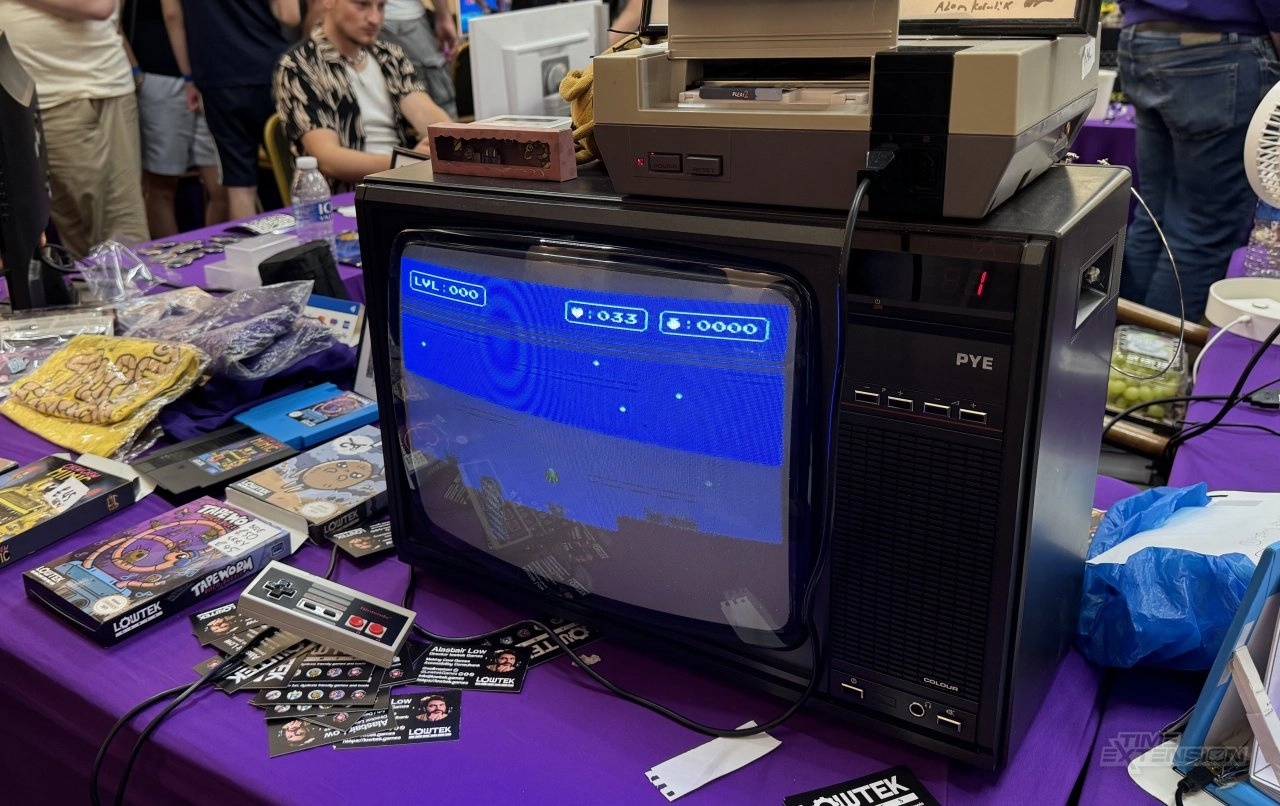
Retro gaming has always had a special charm, attributed not just to its visual style but also to its distinctive sound quality. While many modern technologies focus on enhancing visual fidelity, there's a unique appeal in experiencing media as it was -- imperfect and gritty. That's where the RF Mono filter steps in, a remarkable new addition to the RetroArch emulation tool that intentionally degrades audio quality to mimic the mono sound of the old-school televisions from the 1980s and 1990s.
In the past, video games were often played on small CRT TVs, which were not known for delivering high-fidelity audio. These TVs usually came equipped with a single mono speaker that outputted a compressed, tinny sound. This sound became a nostalgic audio signature for many gamers who grew up during that era. The popularity of retro emulation has soared, not just for recreating visuals but also for bringing back the sounds that filled countless childhood bedrooms.
Many gamers fondly remember these audio experiences and there is a growing desire to recreate this as part of the retro gaming experience. To cater to this nostalgia, Retro Crisis developed the RF Mono filter, available in RetroArch, which aims to precisely "ruin" the audio quality. The filter simulates the audio characteristics of an old mono speaker, providing a scratchy, compressed sound that throws players back to the days when graphical and audio fidelity were limited, but imagination filled the gaps.
RetroArch, a renowned multi-system emulator that supports a variety of platforms, has always been at the forefront of providing users with tools to customize their gaming experience. Its ability to apply shaders that imitate scanlines, CRT distortions, and bloom effects helps in visual nostalgia. Now, with the introduction of the RF Mono filter, RetroArch addresses the auditory aspect of gaming nostalgia as well.
Testing this new audio filter, users can expect a stark contrast to today's clean and expansive digital sound. When the RF Mono filter is activated in RetroArch, it creates a sound environment that might remind one of sitting too close to a small TV with a single, fuzzy speaker -- which for many is part of the charm. This feature is meant to enhance the immersion in retro games, making it feel more "authentic" by limiting the audio quality intentionally.
This movement towards recreating imperfect technologies is intriguing. It highlights a growing appreciation for historical accuracy in digital emulation, where the focus isn’t solely on making old games easier on modern eyes and ears but also about preserving the original experience as faithfully as possible.
Such innovations are not just about revisiting the past but embracing it, warts and all. The RF Mono filter by Retro Crisis is a loving nod to the way games were experienced by many players in their formative years. By choosing to make games sound "worse," RetroArch and Retro Crisis bridge the gap between past and present, offering a layer of authenticity that is often polished away in the modern digital age.
For those interested in this unique retro experience, the RF Mono filter is a testament to the nostalgic power of mono sound, reminding us that sometimes, to truly appreciate how far we have come, we must take a moment to listen to the echoes of where we began.

You must be logged in to post a comment!
