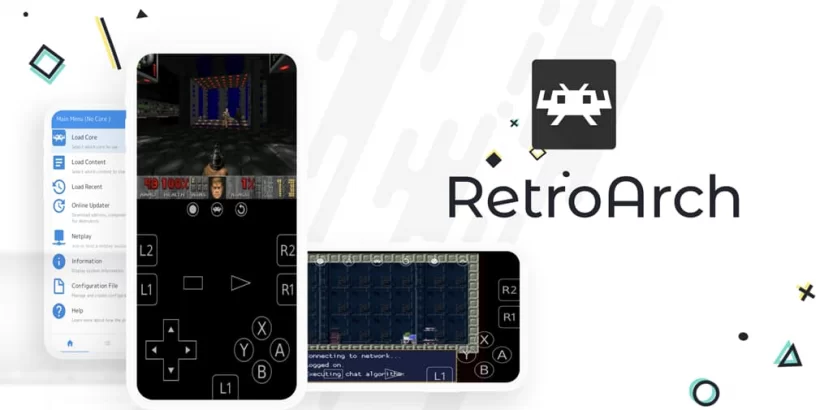
The gaming landscape has taken an exciting turn with the release of RetroArch, a prominent game emulator, now available on iOS and tvOS. This development marks a significant moment for enthusiasts of retro gaming, allowing users to explore a vast library of games from various consoles that are otherwise difficult to access due to the discontinuation of the hardware.
RetroArch distinguishes itself by emulating a multitude of platforms ranging from the vintage Atari 2600 to the more modern Sony PlayStation Portable. This wide coverage ensures that users can experience a broad spectrum of games, many of which are becoming increasingly rare as time progresses. The availability of RetroArch on Apple devices was made possible by recent modifications in Apple's Terms of Service (TOS), which have begun to accommodate the presence of emulators on their platform. This change is noteworthy as it represents a potential shift in Apple's traditionally strict content guidelines, possibly in response to a growing interest in retro gaming within the community.
The integration of RetroArch into devices like the iPhone and Apple TV (through tvOS) offers a user-friendly, ad-free experience in accessing games that many feared would be lost to time. The open-source nature of RetroArch further enhances its appeal, as it encourages ongoing development and community support, ensuring that the software can continue to adapt and improve over time.
However, the discussion surrounding emulators like RetroArch is not without its pitfalls. While the emulator itself is legal, the use of ROMs—digital copies of games—remains a legally gray area. Most video game ROMs are copyrighted material, and unless obtained legally (for example, through purchase or a license), using them can pose significant legal risks. Despite Apple's more lenient stance on allowing emulators onto their platform, this does not necessarily protect users from the potential legal consequences of using ROMs without proper authorization.
The release of RetroArch could potentially influence future decisions regarding game emulation. As demand for access to retro games grows, it could prompt companies and legal bodies to reconsider the structures that currently govern the use and distribution of digital game copies. This scenario highlights a broader desire among players to revisit and preserve classic games, reflecting a cultural appreciation for the origins and history of video gaming.
This development raises broader questions about the future of game preservation and accessibility. Emulators like RetroArch provide a critical service in terms of keeping outdated or obsolete gaming platforms accessible to new audiences. They not only ensure that significant cultural artifacts within the gaming community are preserved but also provide contemporary gamers with insights into the evolution of game design and technology.
The launch of RetroArch on iOS and tvOS is undoubtedly a milestone for retro gaming fans and could potentially pave the way for more holistic acceptance of game emulators on major platforms. While it sparks enthusiasm among the gaming community, it also invites a closer examination of the legal frameworks surrounding video game emulation. Moving forward, balancing the nostalgic appeal of retro games with the legal and ethical considerations of emulation will be crucial in determining the trajectory of game preservation efforts.
For those interested in diving into the nostalgic realms offered by RetroArch, it represents not just a tool for recreation, but a bridge to the past, unlocking the cultural treasures of video game history. As RetroArch and similar platforms evolve, they may challenge existing paradigies and lead to a wider acceptance of preserving and experiencing the golden eras of gaming through modern technology.

You must be logged in to post a comment!
