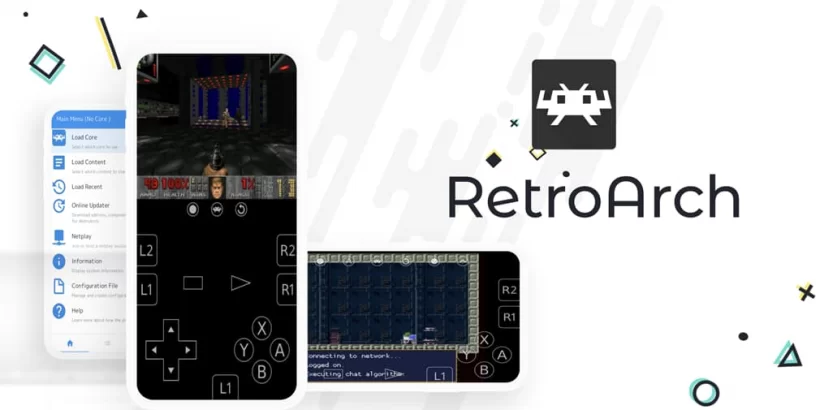
RetroArch, a well-known open-source emulator, has recently been submitted for approval to be featured on the iOS App Store. This development is eagerly anticipated by fans of classic video games who wish to access their favorite titles on Apple's mobile devices. RetroArch has already made its mark on other platforms, including Android, where it is accessible via Google Play, and now aims to expand its audience by venturing into the iOS landscape.
The submission of RetroArch to the App Store marks a potentially significant change in how Apple handles emulator applications. Historically, Apple has maintained a cautious approach towards emulation, often due to legal concerns surrounding game ownership and copyright issues. Emulators themselves generally operate within a legal gray area; while the software used to emulate hardware is usually legal, the game ROMs (Read-Only Memory) needed to run the games often are not unless obtained legally by the user.
This complex legal environment has led to strict policies by Apple, requiring that all games downloaded through emulation software must be verifiable as legally owned by the user. This is intended to inhibit the unauthorized distribution and use of copyrighted game files, an issue that has brought emulators under scrutiny from major game companies such as Sony, Microsoft, and Nintendo. These companies have frequently taken action against the distribution of emulators and ROMs that facilitate access to their games without proper licensing.
Despite these challenges, the news of RetroArch’s application for iOS approval has generated considerable excitement. The availability of RetroArch on iOS would provide users with a vast array of classic games, all within the bounds of the emulator's extensive library. RetroArch distinguishes itself with a variety of built-in applications and features that aim to replicate the experience of classic gaming consoles.
The potential approval of RetroArch also coincides with recent changes in Apple's stance towards emulation software. Although the details of these changes remain unspecified, they suggest a more open approach towards the inclusion of emulation apps in the App Store. Given the existing popularity of emulators on platforms like Android, where the legal hurdles are similarly pronounced but managed differently, there is cautious optimism that RetroArch could find a permanent home on iOS devices.
However, the future of emulation on iOS remains uncertain. Emulation poses a complex challenge that intersects technology, copyright law, and corporate interests. If Apple does indeed begin to allow more emulators like RetroArch into the App Store, it could pave the way for a broader acceptance of emulation on iOS. This would signify a notable shift in policy, potentially influenced by the emulator's proven legality and popularity on other platforms.
Even for those who are not particularly interested in emulation, the iOS platform continues to offer a robust selection of gaming options. Apple’s App Store is brimming with high-quality games, including new releases and updates that keep the mobile gaming scene vibrant and engaging.
As fans await the final decision on RetroArch’s approval, the situation underlines the evolving nature of mobile gaming and software regulation. It represents a potential turning point for emulation enthusiasts and could catalyze a new era of classic gaming accessibility on one of the world’s most popular mobile operating systems. Meanwhile, the emulation community remains hopeful, yet realistic about the challenges that lie ahead in integrating such software into the tightly regulated ecosystem of iOS.

You must be logged in to post a comment!
