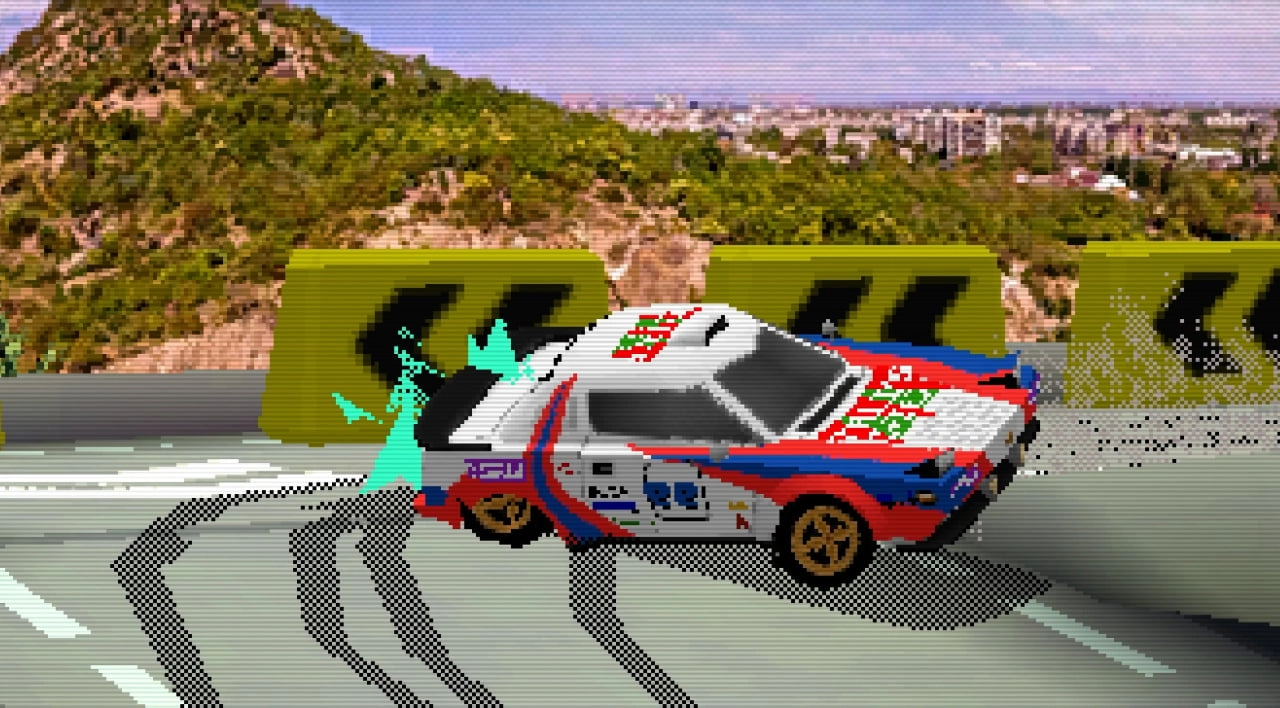
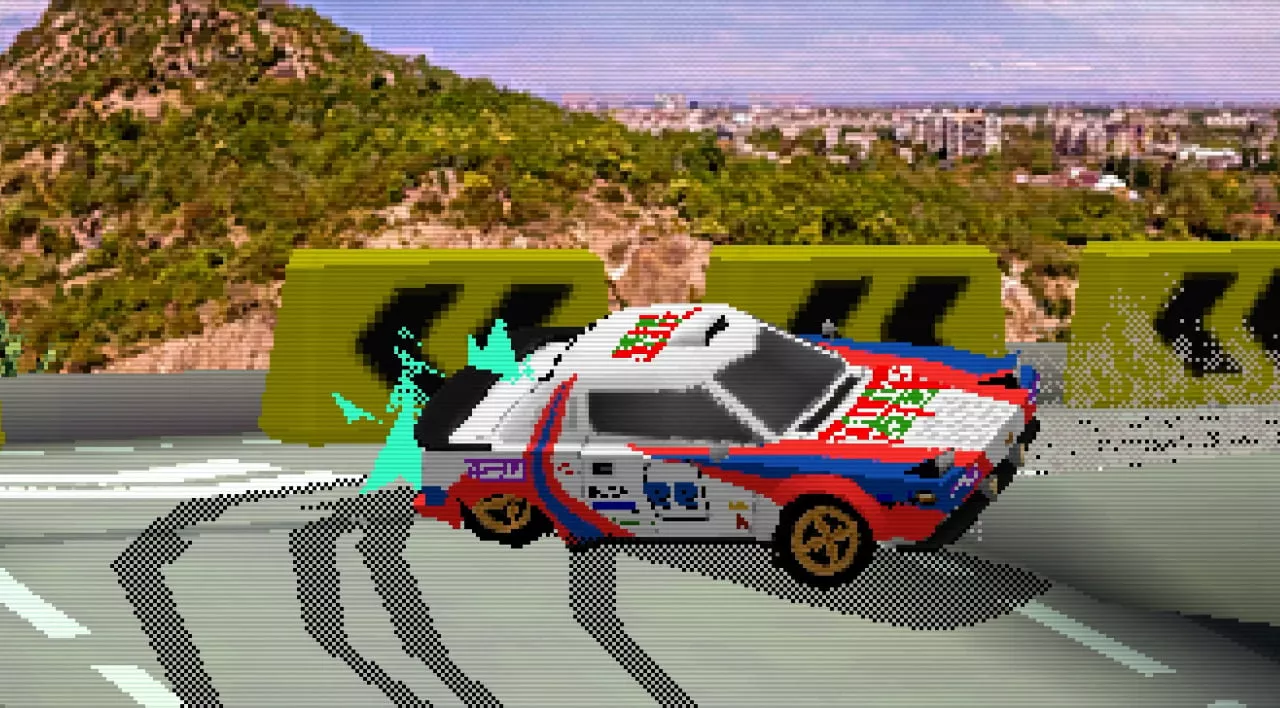
The world of indie gaming is often filled with creative ideas that push the boundaries of traditional gameplay and aesthetic styles. One of the latest examples is 'Parking Garage Rally Circuit,' a PC game developed by Tim Fitzrandolph (better known by his handle, Walaber). This game stands out not only for its unique setting—a series of cramped parking garages—but also for its nostalgic visual style, which pays homage to the Sega Saturn, a popular 32-bit console from the mid-90s.
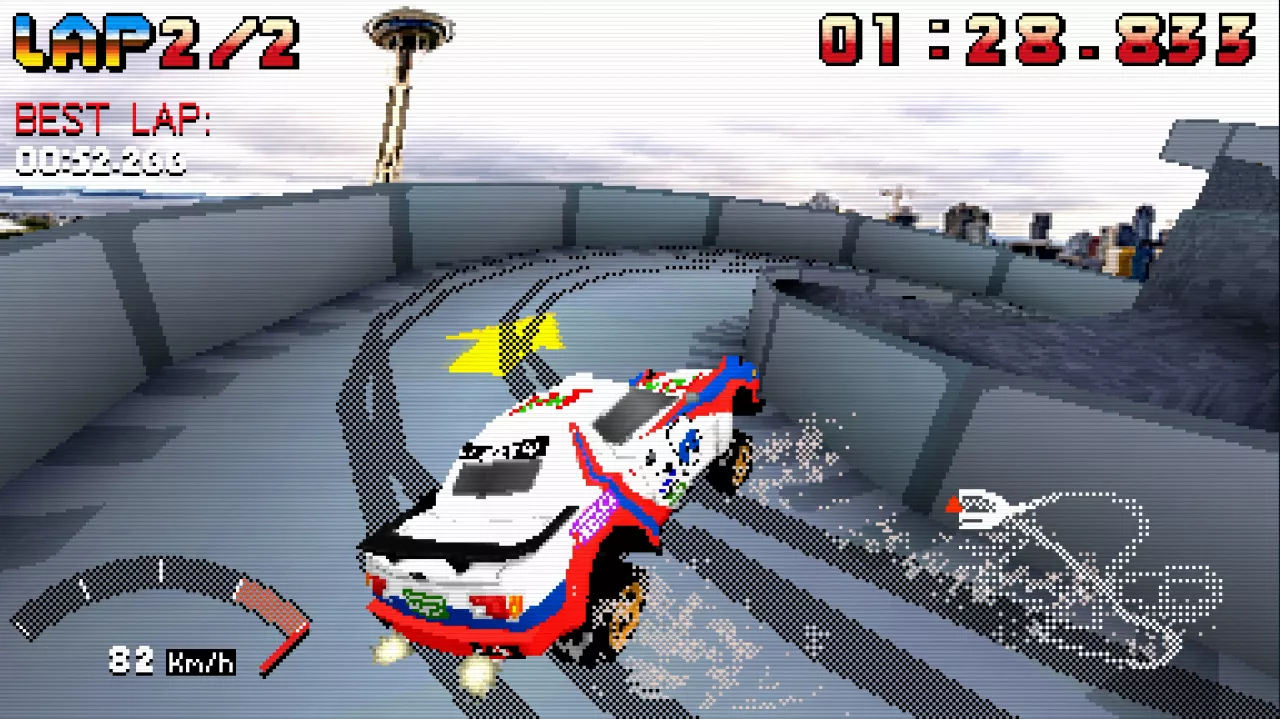
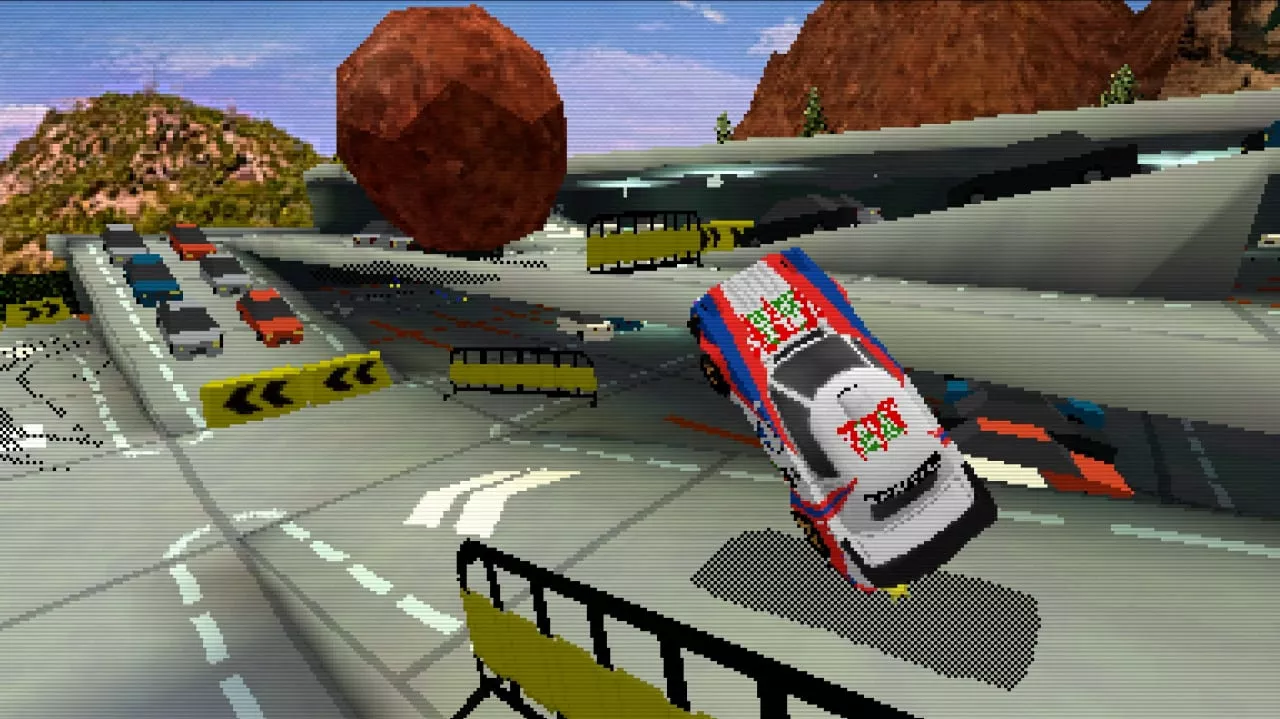
The concept for 'Parking Garage Rally Circuit' originated during a game jam for Ludum Dare 54, which had a theme centered around 'limited space.' Fitzrandolph was intrigued by the challenge of placing a typically expansive setting, like a racetrack, into a more confined environment. The idea to use a parking garage as a venue combined with rally racing emerged as a fun and fitting solution. The game was developed to be simple yet engaging, focusing on maneuverability and speed in tight, twisty spaces.
An interesting aspect of the development process was the decision to adopt a retro visual style reminiscent of the Sega Saturn. While many modern retro-themed games draw inspiration from platforms like the PlayStation 1 or Nintendo 64, Fitzrandolph chose the Saturn, a system noted for its unique and often underappreciated capabilities, especially in handling 2D sprites and textures. This choice not only sets the game apart visually but also reflects a personal nostalgia and appreciation for the Saturn.
Fitzrandolph’s deep dive into the Saturn’s library during development brought him to admire games like 'Burning Rangers' and 'Sega Rally,' which influenced his approach to design and graphics. He challenged himself to incorporate elements characteristic of Saturn games, such as the console’s distinctive approach to rendering resolutions and its limitations with transparency.
Using modern tools like the Godot engine and Blender for modeling, Fitzrandolph faced the challenge of recreating the Saturn’s signature graphics—dominated by quads rather than today’s more common triangles—while adhering to the pixel art aesthetic. Although he acknowledges the impossibility of a perfect recreation due to technical differences, he aimed to mirror the spirit of Saturn visuals. For instance, instead of using semi-transparency, the game features patterns and dithering to simulate translucency and depth, much like how the Saturn handled transparency effects.
The response to 'Parking Garage Rally Circuit' has been promising. Its simplicity, combined with the competitive nature of trying to achieve the fastest times, makes the game appealing to speedrunners and those fond of arcade-style racing games. Fitzrandolph hopes to further refine the gameplay based on feedback, which could help the game find a place at speedrunning events and further resonate with the gaming community.
As the game nears completion, Fitzrandolph has expressed intentions to release it on multiple platforms, including PC via Steam and potentially the Nintendo Switch. He also teased the exciting possibility of a homebrew version for the Sega Saturn itself, depending on the game’s commercial success, which would be a heartfelt tribute to the console that significantly shaped the game’s aesthetic.
The emergence of 'Parking Garage Rally Circuit' is a testament to the gaming industry's ongoing dialogue between the past and present, where modern developers not only remember and respect retro consoles like the Sega Saturn but actively incorporate their essence into new creations. This blending of old and new ensures that even as technology progresses, the pioneering spirit of early gaming consoles continues to inspire and entertain. Such projects highlight the enduring influence of those early systems and the innovative ways in accessibly modern gameplay is shaped responsible to honor those foundations without sacrificing the appeal and excitement expected by today’s gaming community.

You must be logged in to post a comment!
