The Pokémon series has always captivated fans through its iconic "Gotta Catch 'Em All!" slogan, emphasizing the thrill of discovering new creatures. However, as the Pokémon universe continues to expand with hundreds of new species, the uniqueness of each Pokémon starts to diminish.
Each new Pokémon game brings with it a wave of fresh faces. While this excites some fans, it often leads to older Pokémon being overshadowed and forgotten. These Pokémon, which lack powerful abilities, interesting designs, or useful evolutions, silently fall into obscurity. This dilution effects both players' and their Pokémon's sense of uniqueness and achievement.
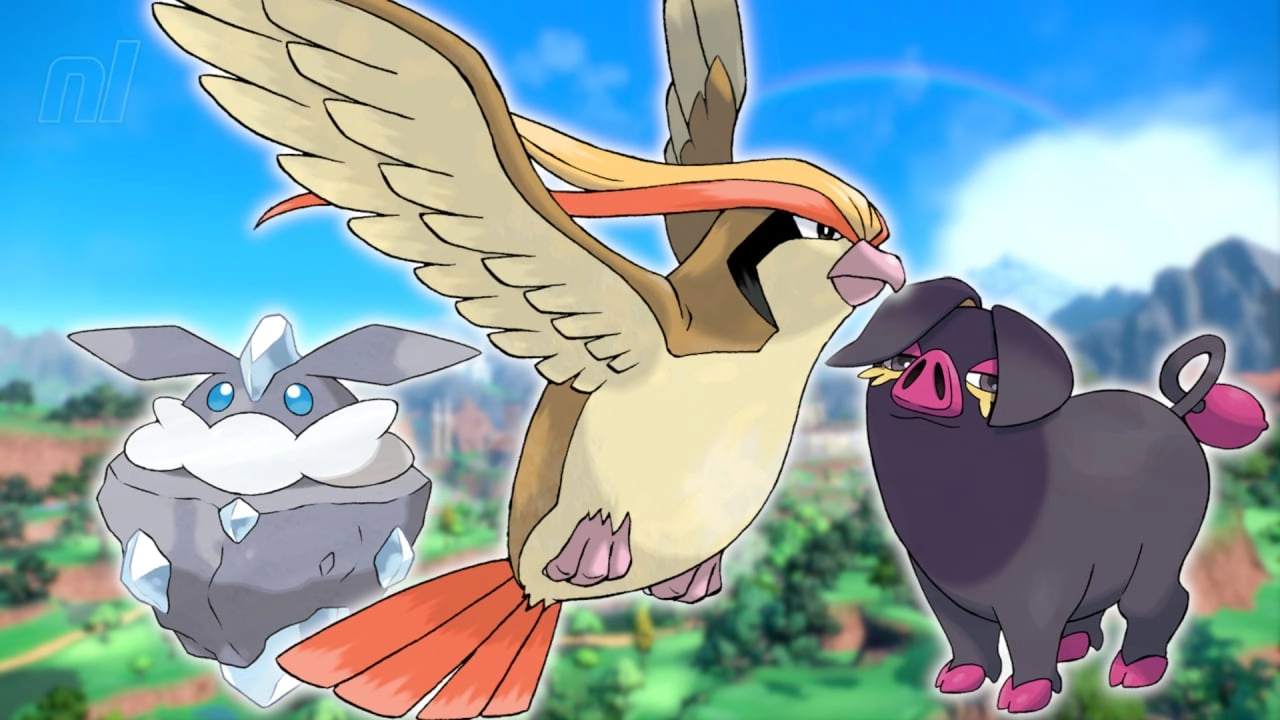
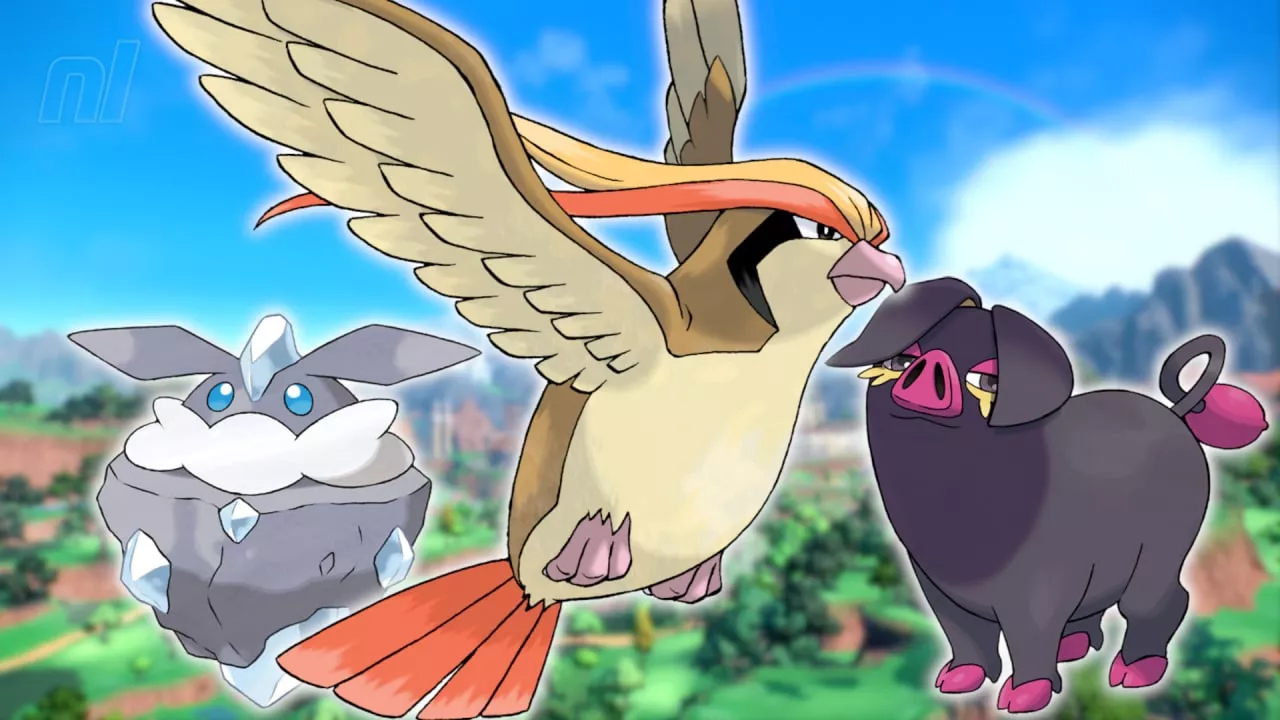
Take for example Pokémon like Carbink and Diancie in Pokémon X and Y, or the plain Pidgeot from the earlier generations. Carbink, despite its intriguing design, remains markedly inferior to many other options available to players, lacking in both skills and evolutionary potential. Pidgeot, once a stalwart of early players' teams, now finds itself outpaced by newer, stronger flying types.
In recent editions of the game like Pokémon Legends: Z-A, Game Freak reintroduced Mega Evolutions—a concept that temporarily boosts a Pokémon's stats, making weaker ones more viable. While a step in the right direction, such enhancements are often transient and don't result in a lasting impact on a Pokémon's viability in the long run. Additionally, with each new game generation, Game Freak seeks to introduce fresh combat gimmicks which, although exciting at first, tend to further complicate the balance of the game for both new and old Pokémon.
Contrarily, focusing on the overhaul of older, less-used Pokémon can spark new interest in these classic characters. Pokémon such as Marowak and Oricorio stand as excellent examples of creatures that while not necessarily powerful, possess unique attributes that make them memorable. Marowak's thick club item, boosting its attack significantly, and Oricorio's ability to change types based on its style, allow these Pokémon to shine in their own right.
Thus, investing time and effort into reworking movesets, abilities, and possible evolutions for neglected Pokémon could inject new life into them. Not only would this stimulate veteran fans' enthusiasm but also maintain the overall sense of discovery and novelty that Pokémon games aim to offer.
Take the pardonable evolution chain of the simple pig Pokémon, Lechonk, in Pokémon Scarlet and Violet. Lechonk evolves into Oinkologne; while it gains additional forms and better stats, it remains largely neglected by players. If Game Freak were to revamp such Pokémon, perhaps by adding intriguing mechanics or more prominent evolutionary stages, they might see more play both casually and competitively.
Furthermore, integrating such classic Pokémon in the main storyline, allowing them to play pivotal roles in gym battles or major encounters, could also help in boosting their prominence within the franchise.
Enabling older Pokémon to evolve in new and surprising ways or gain powers that reflect their lore more closely can create a more dynamic and interconnected Pokémon ecosystem. This approach nurtures not only diversity but also ensures that long-time fans feel their beloved Pokémon keep up with the series' innovations.
Revamping forgotten Pokémon might also involve adjusting their stats to make them competitive or giving them new roles in the Pokémon world. For example, turning a rarely used Pokémon like Dunsparce into a formidable challenger through a well-thought-out evolution could change its fate dramatically.
As the Pokémon world continues to expand, it's crucial that all Pokémon, not just the new or already iconic ones, find their niche. This strategy will ensure everlasting engagement and love for all Pokémon across generations. These changes could invigorate the community, stirring discussions and excitement with every new release or update, and allowing for everyone to have a truly unique Pokémon experience with each playthrough.

You must be logged in to post a comment!
