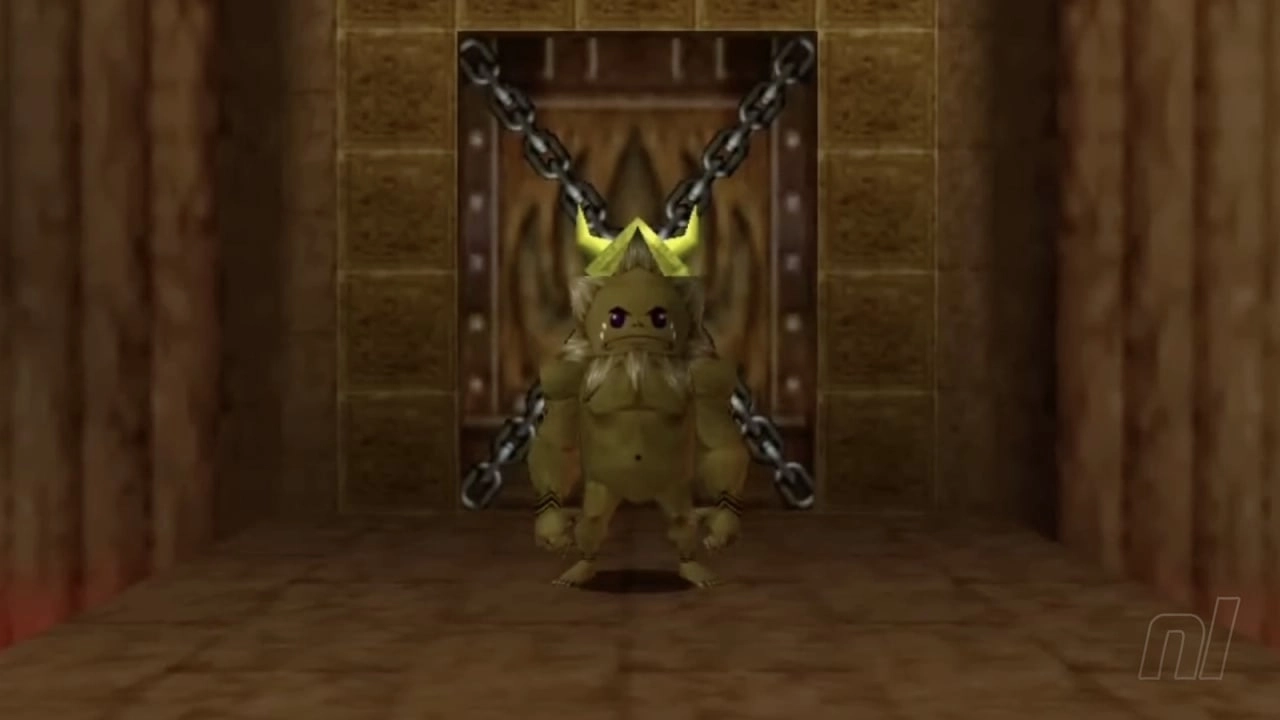
The Legend of Zelda: Ocarina of Time remains one of the most celebrated video games, known for its compelling gameplay, story, and especially its music. However, the game's soundtrack has seen variations over the years due to cultural sensitivities, specifically the Fire Temple theme. Recently, Nintendo Music included Ocarina of Time in its library, but instead of the original Fire Temple music, fans discovered a significantly shortened, 41-second version of the theme. This has sparked curiosity and discussion among the game's community.
In the original game released in 1998, the Fire Temple music included an Islamic prayer chant. This was not known immediately to the composer, Koji Kondo, who incorporated the chant thinking it added a mysterious and immersive element to the temple's atmosphere. However, once recognized, concerns about cultural sensitivity and appropriateness led Nintendo to replace the chanting in later versions of the game. This was part of a broader initiative to ensure that religious symbols or themes did not clash with the company’s censorship policies.
The version newly featured on Nintendo Music removes these chants entirely and instead provides just the initial percussion-heavy opening followed by two loops of a twinkly motif. This excerpt concludes right before the chants would originally begin, resulting in a much shorter and altered experience of the theme. Interestingly, this is not the first occurrence of such a short version. A 1998 soundtrack album released by Pony Canyon also featured a similar 40-second cut of the theme. It seems that the version on Nintendo Music is directly taken from or inspired by this earlier release.
Aside from the shortened track, Nintendo Music offers an extensive collection from the Ocarina of Time soundtrack, boasting 82 different tracks. Many of these themes can be extended, allowing fans to immerse themselves in the nostalgia of the game, reminiscent of long sessions navigating through challenges like the notorious Water Temple.
The decision to use the modified version of the Fire Temple theme might disappoint some fans who prefer the original composition with its full, rich orchestration including the chants. The original music and its updated versions are available on platforms like YouTube for comparison, showcasing the significant differences made to appease sensitivities and avoid controversy associated with the use of religious elements in entertainment media.
This move is particularly reflective of Nintendo's cautious approach to cultural representation in its games, ensuring that they remain accessible and respectful to a global audience. It also highlights the evolving nature of game development and distribution, where digital platforms like Nintendo Music can offer various renditions of content tailored to meet contemporary standards and expectations.
While the Fire Temple theme's alteration is a minor component of the broader Zelda franchise, it encapsulates significant considerations in game design and music selection. For enthusiasts and new players alike, it provides a point of reflection on how video games intersect with cultural representation and the responsibilities of developers to their diverse audience.
Overall, the updated Fire Temple theme on Nintendo Music is a testament to Nintendo's ongoing commitment to sensitivity and inclusivity, even if it means altering elements from its beloved classics. This careful balance of maintaining the integrity of the original work while adapting to cultural expectations continues to be a challenging yet vital aspect of the global gaming industry.

You must be logged in to post a comment!
