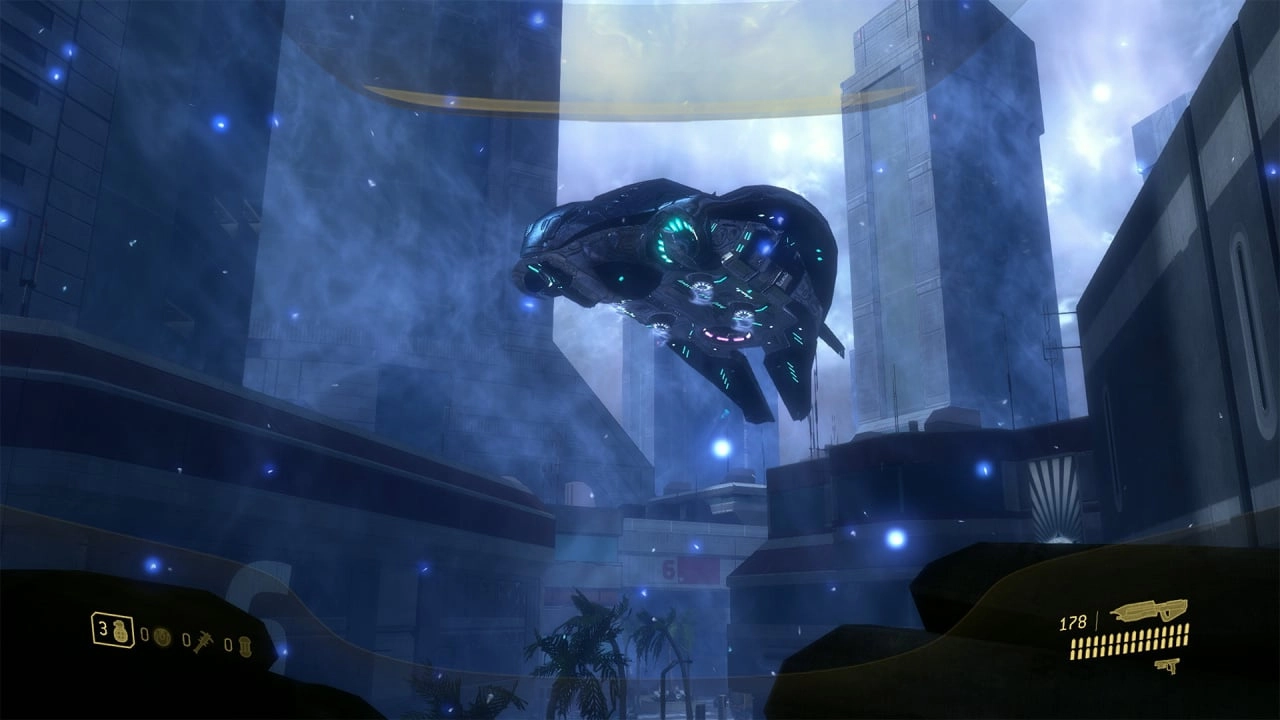
Next month marks the 15th anniversary of a significant milestone in the Halo video game series—an occasion that invites both nostalgia and critical reflection on Halo 3: ODST's unique place within the franchise. Released in September 2009, Halo 3: ODST stands out as one of the most unusual entries in the series, noted for its experimental approach and a departure from the main storyline involving the series' protagonist, Master Chief.
Originally intended as an interim project to bridge the gap between Halo 3 and Halo: Reach, ODST (Orbital Drop Shock Troopers) was developed by Bungie and initially received mixed expectations from the fanbase. The game eventually carved out its niche, earning its status as a cult classic among the Halo community. Unlike other Halo titles focused primarily on large-scale conflicts and the sci-fi grandeur associated with the series, ODST offered a more intimate, ground-level view of the Halo universe.
The narrative follows a group of elite human soldiers, the ODSTs, as they navigate the war-torn streets of New Mombasa, which is distinctly different in tone and style from other Halo games. The city serves not only as a battlefield but also as a character in its own right—dark, brooding, and filled with secrets. The game’s storyline is less about all-out combat and more about a personal survival tale amidst an alien invasion.
One of the most significant departures for ODST was its gameplay mechanics. The players were no longer controlling an almost invincible Spartan in Master Chief but rather a regular human soldier, which dramatically altered the gameplay dynamics. This change brought a new level of challenge and vulnerability that required players to adopt a more cautious and strategic approach to combat.
Moreover, Halo 3: ODST introduced a new mode called Firefight, which became immensely popular for its cooperative gameplay against waves of enemies. This mode added significant replay value to the game and has since been a staple in subsequent Halo titles.
The ambiance of ODST also set it apart. The game's music, composed by Martin O'Donnell, played a crucial role in defining its somber and mysterious atmosphere, which was accentuated by jazz influences that perfectly complemented the noir-inspired narrative. This atmospheric design extended to the game's visual style, characterized by its use of muted colors and shadows, which effectively conveyed a sense of isolation and danger lurking around every corner.
In terms of legacy, Halo 3: ODST's influence can be seen in the more narrative-driven approach in later franchise entries, such as Halo: Reach and parts of Halo 5. It proved that the Halo universe could support different kinds of stories and was capable of evolving in new and interesting directions.
Despite its initial reception as a stopgap release, ODST's reputation has grown positively over the years. It is often cited for its innovation within the series and its bold willingness to take risks, both narratively and mechanically. The game not only expanded the scope of what Halo could be but also set a benchmark for storytelling and atmospheric design within shooter games.
As fans of the series anticipate celebrating this quirky and beloved entry's fifteenth anniversary, many are likely to revisit the streets of New Mombasa in Halo 3: ODST, either through their old Xbox 360 consoles or via Halo: The Master Chief Collection on newer platforms. This revisit not only serves as a homage but also as a contemplation on how far the Halo series has come and the diverse paths it has explored through games like ODST. This commemoration underscores an enduring appreciation for a game that dared to be different, offering a unique experience that has stood the test of time in the hearts of its passionate fanbase.


You must be logged in to post a comment!
