
Once a revolutionary title on the Nintendo 64, Jet Force Gemini, developed by the renowned UK-based studio Rare, offered players a unique third-person shooting experience upon its release in 1999. Stepping away from the success of first-person shooters like GoldenEye 007 and Perfect Dark, Rare ventured into crafting a game that placed the player in the boots of the Jet Force Gemini squad – Juno, Vela, and a canine warrior named Lupus, each equipped with distinct abilities crucial to navigating the game's intricate worlds.
The design of the game is deeply rooted in Rare’s penchant for intertwined gameplay. The levels are designed to be revisited with different squad members once their unique skills can be utilized. This clever design keeps the game fresh, avoiding the monotony of rehashed levels and encouraging revisits with new characters to uncover all the items and secrets. Despite this, upon starting the game, players are met with a daunting level of difficulty, a refreshing contrast from today's more guided gaming experiences. The learning curve is sharp; there's no tutorial, just a starting pistol and a sprawling alien world filled with adversaries.
Control in Jet Force Gemini can be unwieldy. Aiming requires precision, which the control scheme doesn't gracefully accommodate. As enemies adapt, sporting riot shields and other defenses, hitting those minute vulnerable spots becomes critical, making the clunky controls a significant hurdle. Lock-on mechanics and camera control further emphasize the challenge. Despite this, patient gamers are rewarded with a sense of accomplishment as they navigate nine varied worlds, filled with countless enemies and Tribals to rescue.
And yet, the game is relentless. To progress to the endgame battle at Mizar’s Palace, not only must each level be scoured for ship parts – a daunting task on its own – but each Tribal must be saved. This rescue mission asks for perfection; miss a single Tribal, and your progress is disregarded. Coupled with their placement amongst explosive hazards and enemies prone to taking them out, this element transforms the chase into a taxing endeavor.
Technical issues also mar the experience, with frame rate dips occurring when the screen is awash with enemies. Although not a deal-breaker, it's a noticeable blemish on the gameplay quality. Furthermore, the quest for Tribals can feel less like an adventure and more like a chore, often leading to frustration rather than elicit a sense of exploration.
However, Jet Force Gemini is not devoid of enjoyment. The game was ahead of its time in many ways with its array of unique and effective weaponry. Each armament serves a distinct purpose, essential for dispatching certain foes, and discovering the functionality of each weapon adds a layer of fun to the combat. The enemy AI impresses, with dynamic reactions and a sense of surrender when outmatched. The co-op mode, albeit simple, introduces multiplayer gameplay that enhances the campaign.
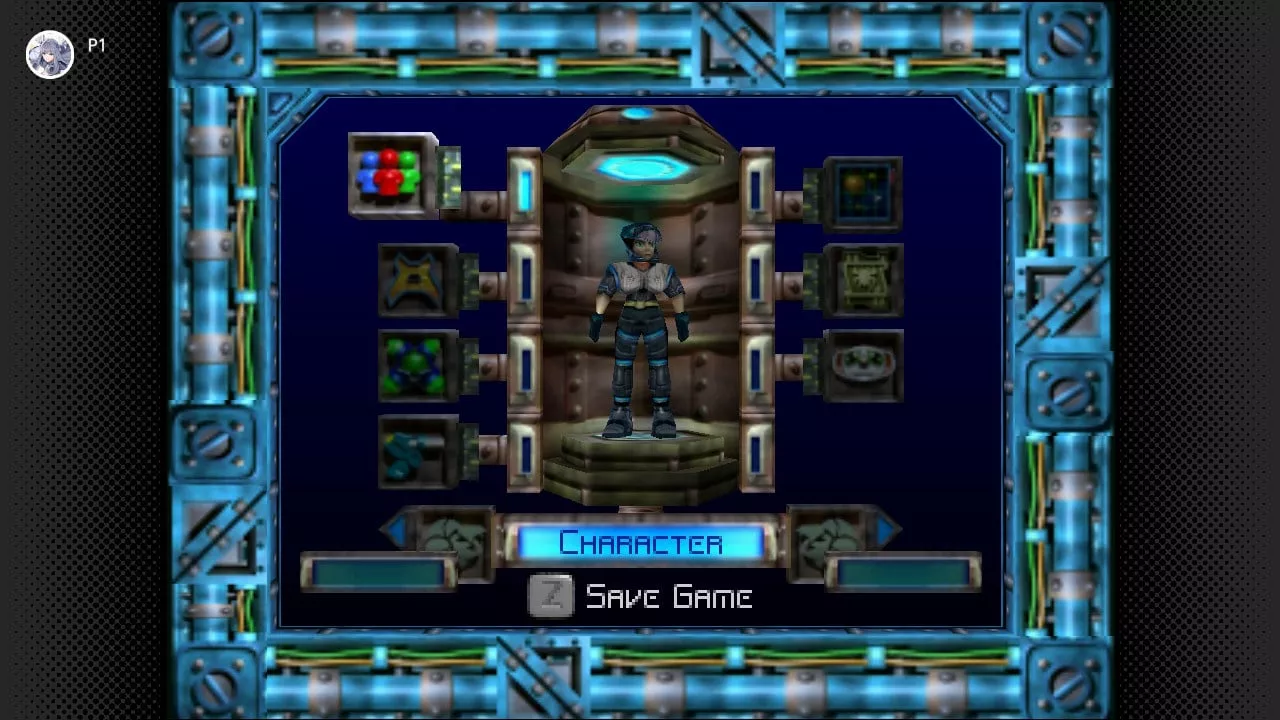
The soundtrack deserves special mention. It stands tall amongst N64 classics, with a diverse and engaging score that elevates every level. Listening to the music is an experience in itself, getting players hyped from the character selection menu onward.
While Jet Force Gemini has its fair share of flaws, it remains a title worth revisiting. Rare’s signature humor shines through the bizarre and engaging cast, from King Jeff to Gimlet and his mysteriously perched trousers. Despite the punishing collection of Tribals and the steep learning curve regarding controls, the game is an engaging experience. Whether playing on the N64 back then or rediscovering it on the Nintendo Switch today, players can expect to invest hours of gameplay filled with challenges and rewards. Jet Force Gemini may demand persistence, but it promises a unique and satisfying journey for those willing to dive in.

You must be logged in to post a comment!
