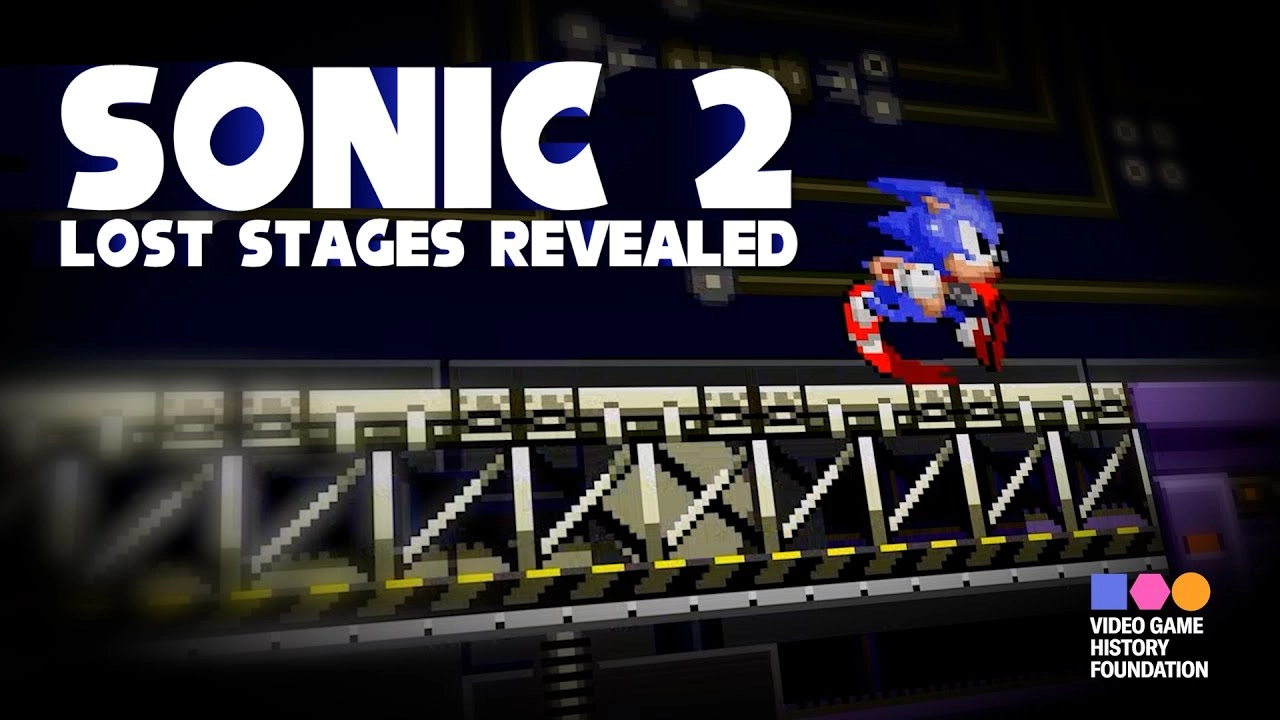
The Video Game History Foundation, known for its dedication to preserving the history of video games, has recently brought to light exciting content regarding one of the most beloved games from Sega, Sonic the Hedgehog 2. In a significant finding, the foundation shared a set of materials that provide a deeper look into what could have been, had certain stages not been cut from the final version of the game. This revelation holds particular significance for fans of the Sonic series and gaming historians alike.
The discovery involves stages that were originally intended to be part of Sonic the Hedgehog 2 but never made it to the game’s final release. Among the unearthed materials are details and visual assets related to the Cyber City Zone, Wood Zone, and the Sand Shower Zone, which fans have often referred to as the Desert Zone. The existence of these zones has sparked the imagination of Sonic enthusiasts for years, leading to speculation and excitement about what the game might have offered.
To appreciate why these findings are important, one needs to understand the context in which Sonic 2 was developed. The Sega Technical Institute (STI), an American subsidiary established by Sega, was tasked with developing games targeting Western audiences. This included the employment of both American and Japanese developers to foster the exchange of creative ideas. Yuji Naka and Hirokazu Yasuhara, who were instrumental in the creation of the original Sonic the Hedgehog, moved to the US and led the development of Sonic 2, while Sega of Japan focused on creating Sonic CD for the Mega CD.
The Video Game History Foundation’s efforts involved not only excavating these hidden gems but also giving gamers a much-coveted look into the areas of Sonic 2 that were never explored. To do so, they reached out to artists who were originally part of the STI team, including Tom Payne and Brenda Cook. The foundation managed to preserve numerous pieces of concept art and other materials, which have now been shared with the public for the first time.
Tom Payne's work on the Cyber City Zone, which was envisioned as an epic precursor to the game's final battle set in space, uncovered documentation and even partial reconstructions that allow us to glimpse into this alternate climax of Sonic 2. Brenda Cook provided the foundation with an even more tangible piece of gaming history – rare video footage of the Wood, Winter, and Desert Zones, all encapsulated in a VHS tape containing her portfolio from the 1990s.
