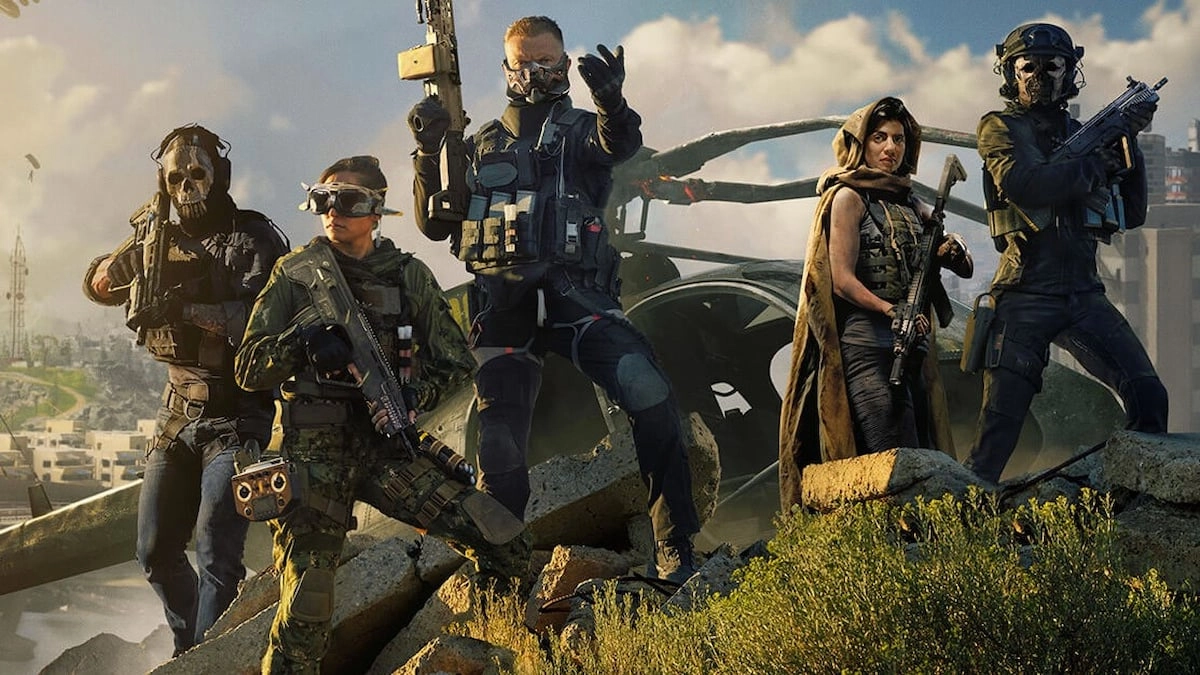
It was evident that turbulence had hit fans of the popular video game, Call of Duty: Warzone, following the release of the anticipated Season 1 Reloaded update. The update, which should have been a cause for celebration, instead brought about a swath of bugs and glitches that significantly affected gameplay. The developer responsible for the game's continued maintenance, Raven Software, issued an apology as well as a detailed explanation regarding what had led to this unfortunate turn of events.
So what exactly transpired with the update that it caused such chaos? According to Raven Software's statement, the team had been busy preparing for future updates, which entailed setting up some elements in advance within the live game environment. During these preparations, certain components meant for upcoming seasons were unintentionally activated with the Season 1 Reloaded update. This led to a mismatch between live player data and the servers, manifesting in the disruptions experienced by players.
The scale of the issue was not trivial. Players reported a variety of bizarre behaviors in the game, which ranged from minor glitches to major game-breaking problems. These are precisely the situations that gamers dread, as they break immersion and can render the game practically unplayable. Understanding the severity of the situation, Raven Software quickly mobilized its development teams, leveraging global resources to roll out an update designed to resolve the issues – all within the next day.
In their apology to the player community, Raven Software took a humble stance, reflecting their disappointment in themselves for not meeting the high standards that they, and their players, expect. They expressed their love for Call of Duty: Warzone and reiterated their commitment to improving and maintaining the quality of the player experience.
The response to Raven Software's swift action in addressing the issues has been largely positive. Players and industry followers have appreciated the quick resolution and the transparent communication from the developer. With the promise of "fan favorite features in upcoming seasons," anticipation still runs high within the community. This sentiment was nicely summed up by the enthusiast Call of Duty account, Modern Warzone, acknowledging the initial failure of the update but recognizing the successful response from Raven Software.
In light of the situation, it's essential to take note of the challenges faced by game developers, particularly when managing live service games like Warzone. The balance between crafting new content, maintaining existing gameplay, and managing the technical aspects of a live server environment is a daunting task. Alongside, the gaming community's expectations are also high, with players demanding seamless experiences and fresh content regularly.
This incident serves as a reminder of the complexities in the backend operations of video games, where a single misstep can have far-reaching consequences for the user experience. It also highlights the importance of clear communication and fast action when things do go wrong. For Raven Software, it was a tough lesson learned, but their handling of the aftermath has shown a commitment to accountability and resolution that is likely to be appreciated by their audience.
With the apology accepted and the issue resolved, players have returned to their gaming with a sense of normalcy, looking forward to those teased "fan favorite features." This scenario has also set a precedent for how game developers might handle future errors: with transparency, swift action, and an openness to acknowledging mistakes. Meanwhile, the saga of Call of Duty: Warzone continues, as players around the world drop back into the battlegrounds, ready to fight another day, trusting that their experience will be better with each update.

You must be logged in to post a comment!
