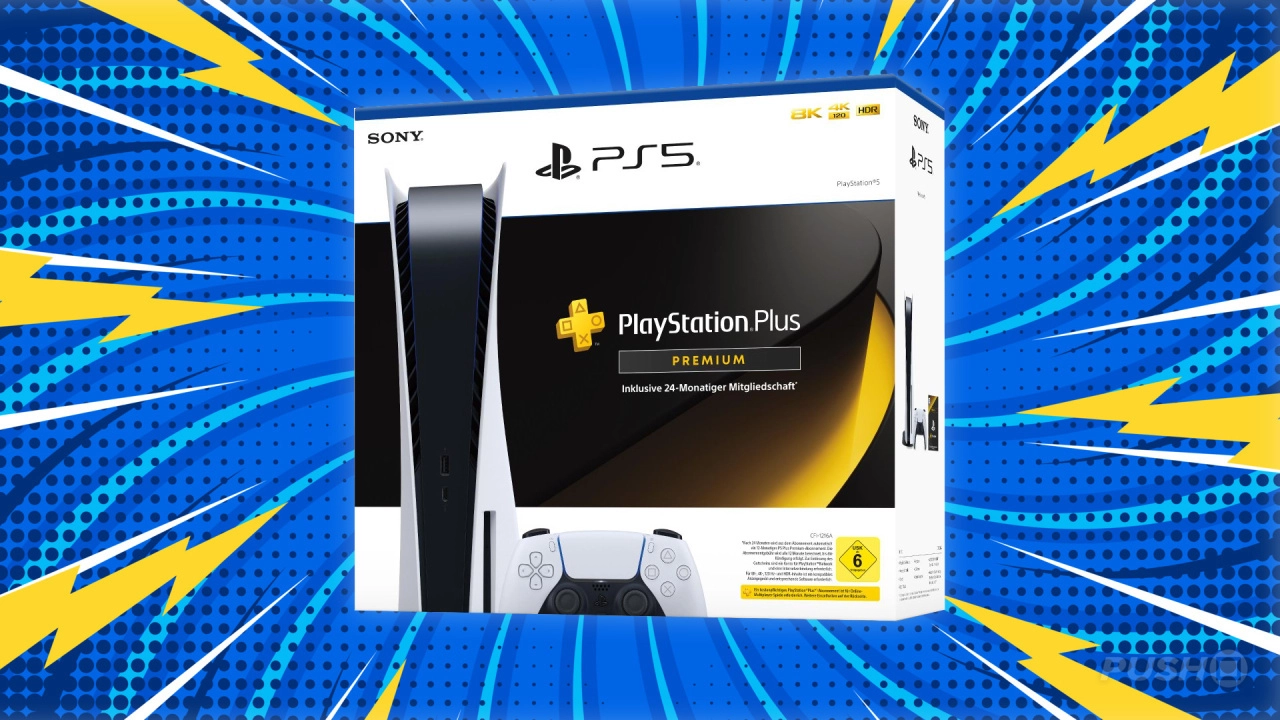
The Sony PlayStation 5 (PS5) has hit a significant sales milestone in the United Kingdom, surpassing four million units sold. This achievement, however, comes notably slower compared to its predecessor, the PlayStation 4 (PS4), which reached the same milestone 31 weeks faster. The disparity in sales pace between the two consoles can be attributed to several unique challenges that have impacted the PS5 since its launch.
One of the main issues slowing down the PS5 sales is the global semiconductor shortage, a consequence of the COVID-19 pandemic. This shortage affected many industries worldwide, including the gaming sector, resulting in severely limited stock of the new console for approximately the first two years of its release. Consequently, many consumers who wished to purchase a PS5 simply couldn't find one available, a stark contrast to the PS4 era when availability was not a concern.
Another significant factor is the cost of the PS5, which is considerably higher than any of its predecessors at launch. The average selling price of the PS5 in the UK stands at around £460, a substantial increase compared to the PS4’s launch price of £311, and even more so when compared to earlier generations like the PS1 and PS2, which were introduced at £146 and £204 respectively. This higher price point has inevitably made the PS5 less accessible to a broader audience, affecting its overall sales rate.
Nevertheless, despite these challenges, the revenue generated from PS5 sales is impressive. With the higher average price, the PS5 has brought in approximately £1.846 billion in revenue, surpassing every other console at the same sales point, including the notably popular Nintendo Wii. This demonstrates that while the units sold are lower, the revenue impact is substantial, highlighting a successful financial metric for Sony.
Interestingly, the sales journey of the PS5 also illustrates broader trends in the gaming industry and consumer electronics. The extended timeframe to reach four million units underscores a changing landscape where supply chain disruptions and economic factors directly affect product distribution and consumer purchase abilities.
Comparatively, previous generations such as the PS1, PS2, and even the Nintendo Wii, which took 182 weeks, 114 weeks, and 102 weeks respectively to reach four million sales, faced fewer initial hurdles of this magnitude, highlighting the unique challenges faced by the PS5. This situation is exacerbated by modern economic pressures which lead to higher production costs, passing the impact on to consumers with increased retail prices.
What does this mean for future console releases from Sony and its competitors? For Sony, maintaining the sales momentum of the PS5 while managing production costs and supply chain issues will be critical. The company may need to explore strategic price adjustments or enhanced value propositions, such as bundling popular games or services with the console to boost its appeal and accessibility.
The enduring impact of the semiconductor shortage, potential economic shifts, and consumer spending behavior will continue to play significant roles in shaping the console market. Companies like Sony will need to remain agile and responsive to these external factors while striving to meet consumer demand and maintain a competitive edge in a rapidly evolving market.
Given these circumstances, the journey of the PS5 in the UK market serves as an insightful case study into the complex interplay of technology, economics, and consumer behavior, underscoring the myriad of challenges faced by modern gaming consoles in achieving sales milestones. As the industry continues to evolve, the response of manufacturers and the adaptations they make will be crucial in shaping the future landscape of gaming.

You must be logged in to post a comment!
