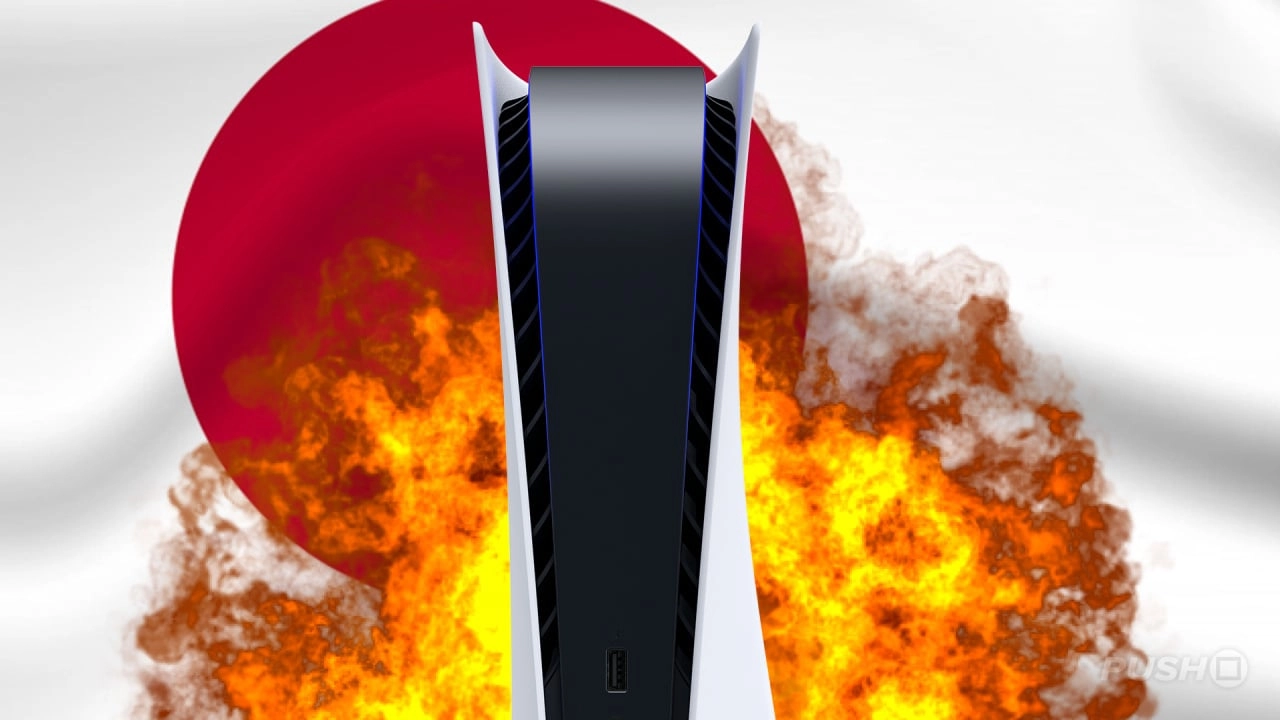
The PlayStation 5 has made remarkable strides in the Japanese market, reaching a milestone that Sony has not seen in nearly two decades. With a staggering 2.6 million units sold in Japan throughout the past year, the PS5 not only showed a remarkable 124 percent increase in year-over-year sales but also achieved a feat reminiscent of the PlayStation 2's glory days back in 2004. These robust sales figures for Sony's latest gaming console stand out as a testament to the brand's enduring appeal among gamers, perhaps even more so in light of recent challenges.
The surge in PS5 sales comes as a welcome relief after the hardware shortages that impacted the console's availability in the aftermath of the global pandemic. The shortages had hampered Sony's ability to meet consumer demand, leading to a difficult period for the gaming giant. Yet, with the supply chain stabilizing and the PS5 becoming more accessible, Sony has managed to recapture a significant portion of the market.
Despite the success in hardware, not everything is rosy for the PS5 in Japan. Software sales for the console have been less stellar, especially when compared to the dominance exhibited by its competitor, Nintendo. A clear indication of this is the fact that all of Japan's top ten best-selling physical games for 2023 were Nintendo Switch titles. This highlights the strong preference Japanese gamers have for Nintendo offerings, reflecting the entrenched position Nintendo holds in its home market.
The Switch's firm hold on the market is further emphasized by its nearly double sales figure over the PS5, even as the Switch enters its later years. This dominance positions Nintendo as a formidable competitor that Sony has acknowledged might be impossible to surpass in Japan. Nevertheless, Sony continues to persevere, remaining a significant presence in the gaming landscape, supported by the PS5's hardware achievements.
Yet, Sony is not without its strategies to bolster the PS5's standing. The software lag could experience a turnaround with the scheduled release of highly anticipated titles like "Like a Dragon: Infinite Wealth" and "Final Fantasy 7 Rebirth." These releases are likely to capture the interest of Japanese gamers and help push PS5 software sales upwards. Success with these games could mark the beginning of a more competitive software sales environment for Sony.
Moreover, Sony's ability to adapt to market trends and player preferences will be crucial as it goes forward. The gaming industry in Japan is rapidly evolving, with shifts in how consumers prefer to engage with gaming content. The PS5 will not only need to compete on the basis of exclusive titles and engaging content but also in areas like digital distribution, online services, and user experience.
Nintendo's projected release of a successor to the Switch, presumably the "Switch 2," will undoubtedly present new challenges to Sony's PS5. Anticipation for the new Nintendo console could sway potential buyers, especially if it promises innovative features or a substantial upgrade in gaming experience. Preparing for this next wave of competition will require Sony to remain vigilant and innovative, ensuring that the PS5 continues to hold appeal against a backdrop of rapidly advancing technology and changing consumer tastes.
In sum, the PS5's strong performance in Japan is a significant victory for Sony, symbolizing the brand's resilience and the platform's attractiveness to consumers. While software sales have not matched the hardware's success, there is potential for growth with strategic game releases and continued focus on the evolving needs of gamers. Even amidst the presence of powerful rivals like Nintendo, Sony's PlayStation continues to carve out its success story, demonstrating the enduring strength of its legacy and the vibrancy of its future prospects in the dynamic world of gaming.

You must be logged in to post a comment!
