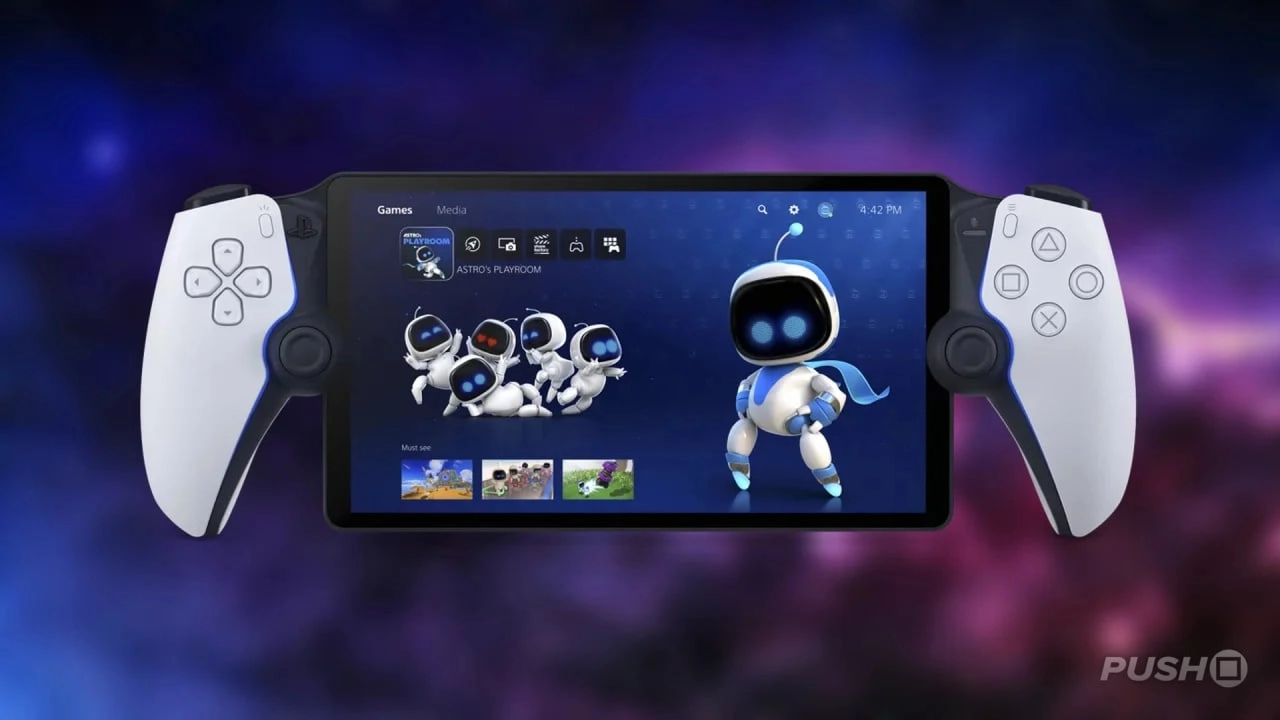
Sony's innovative handheld streaming device, the PS Portal, has made quite the splash in the gaming world, particularly in the United States where it continues to outperform expectations. Despite the company's modest projections and cautious optimism about the sales of this device, it seems that demand routinely surpasses the number of units Sony is able to produce.
The PS Portal, which was designed to complement the PlayStation 5, allows gamers to stream their PS5 games directly to the handheld device, providing a seamless gaming experience on the go. This feature has proven particularly appealing to gamers who want to continue their gaming sessions away from their main console, offering them flexibility and mobility without sacrificing game quality.
Executive director Mat Piscatella from Circana (formerly known as NPD), shared insights into the product's performance on social media. According to Piscatella, although the PS Portal has not been moving "massive units" in a traditional sense, its performance has nonetheless been impressive, especially considering Sony's production scale. The device's continuous shortage in the market is a clear indicator of its success and consumer interest.
The issue of supply not meeting demand has been a recurring theme. More than two months after an initial statement from a Sony executive highlighting efforts to streamline and boost production, the situation seems to have shown little change. Consumers are still facing difficulties in purchasing the device, as the number of units available is still insufficient to meet the eager demand.
Interestingly, despite these challenges, the PS Portal achieved another milestone by becoming the best-selling gaming accessory in the United States for the month of February 2024, when evaluated based on dollar sales. This accolade is significant, underscoring the device's appeal and its ability to garner substantial sales despite its supply constraints. Such a feat is particularly notable in the competitive and fast-evolving gaming industry, where technological innovations and new products are constantly vying for consumers' attention and wallets.
However, Sony has not released specific sales figures for the PS Portal, keeping the industry and consumers guessing about the exact scale of its success. This lack of transparency makes it difficult to precisely assess the device’s impact on Sony's overall financial health or its position within the broader market landscape. Nonetheless, the bits of information that do trickle out, like the sales accolades and consumer demand, paint a picture of a product that is well-received and highly sought after.
The consumer response to the PS Portal has been overwhelmingly positive, with many users appreciating the ability to play their favorite games on a portable device without compromising on the gaming experience. This factor, coupled with its integration with the PS5, makes the PS Portal not just an accessory but a significant extension of the gaming setup for many.
Sony's challenges with the PS Portal revolve primarily around its supply chain. Meeting the high demand, while maintaining product quality and ensuring timely distribution, are critical areas Sony needs to address. The ongoing struggle to balance production with demand highlights both the unpredictable nature of consumer electronics and the difficulties associated with scaling up manufacturing processes.
For Sony, the PS Portal represents both a success in terms of market reception and a challenge in terms of logistics and supply chain management. As the company works to adjust and hopefully expand its production capabilities, the gaming community remains eager to see how Sony will handle the balancing act between supply and the ever-growing demand. The future of the PS Portal looks bright, with potential further impacts on the gaming industry both in the U.S. and globally—as long as Sony can manage to keep up with its own success.

You must be logged in to post a comment!
