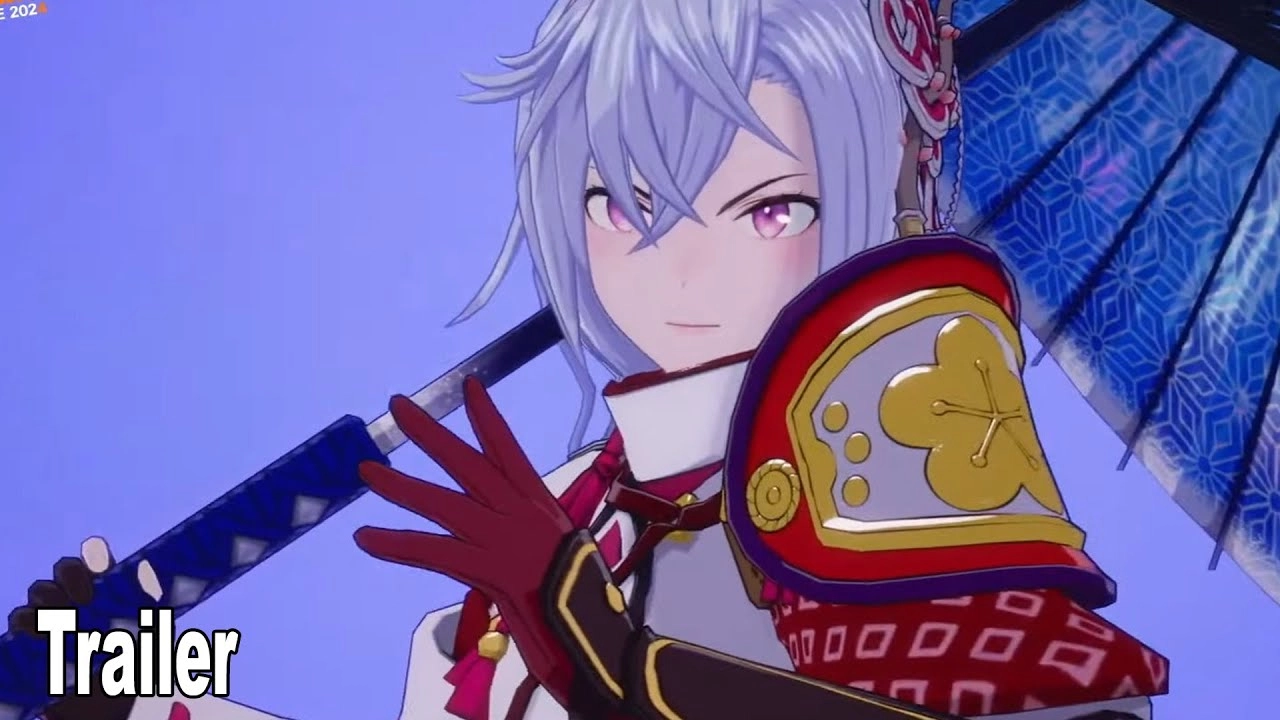
Last updated in May, fans of Rune Factory received an exciting update at this year's showcase with the unveiling of a new trailer for the spin-off, Rune "'Project Dragon". The video provided a lively introduction to two vibrant characters, Subaru and Kaguiya, who are set to reinvent interaction within the game’s world.
Unlike its predecessors in the Rune Factory series, known for their simulation-style gameplay combining agriculture with role-playing elements, Project Dragon departs to explore new creative territories. The game swaps traditional farming tasks with the power of dance as a primary means of communication and interaction. This shift is not just a change in mechanics but also sets a fresh narrative tone that aligns with the game’s imaginative setting.
Subaru and Kaguya, described as Earthmates with a twist in the trailer, interact with their surroundings and fellow characters through dance. This seems to imply not only an aesthetic difference but also a fundamentally distinct approach to how players will engage with the game world. Gone are the familiar farming tools, replaced by non-combat items such as parasols and drums that maintain the thematic continuity of music and rhythm. Yet, for those fans who cherish the combat aspect of the Rune Factory legacy, the game promises the retention of classic weapons like swords, alongside the introduction of innovative tools like bows and talismans, suggesting a diverse combat system.
Further enhancing its allure, Project Dragon is set in what is described as the "Eastern lands," highlighting a Japanese-style aesthetic. This oriental setting promises to immerse players in a visually distinct environment, enhancing the fresh gameplay experience with a cultural tapestry that influences both the narrative and the design style.
Despite the exciting reveal and the details shared about the game’s protagonists and mechanics, the announcement was scant on certain specifics. No release date or platforms have been confirmed yet, which leaves the series’ loyal following in suspense. The developers assure that the game is "diligently under development," signaling that more updates might be forthcoming.
Project Dragon signals an experimental branch out for the Rune Factory series. Shifting from their established formula suggests a significant gamble—one that could either bring fresh vitality to the series or alienate long-time fans. However, this change could also attract a new audience, drawn by the unique blend of dance, combat, and an appealing Eastern aesthetic.
This upcoming project underlines an evolving game industry where the boundaries of genre are increasingly fluid. The introduction of dance as a tool rather than a mere embellishment challenges conventional gameplay mechanics, making Project Dragon a fascinating study in how games might further evolve in blending culture, narrative, and interaction. As it progresses in its development, Project Dragon will be a title to watch, potentially setting benchmarks for creativity and innovation in the video game industry.
The anticipation surrounding Project Dragon is palpable. It feeds into the larger narrative of how games are embracing broader and more diverse cultural elements, allowing gamers to explore not just virtual landscapes but different cultural expressions. Whether dancing through its storyline will captivate audiences as well as traditional farming has in the past remains to be seen. Regardless, Rune Factory: Project Dragon promises a journey that will be as enchanting as it is unique.
