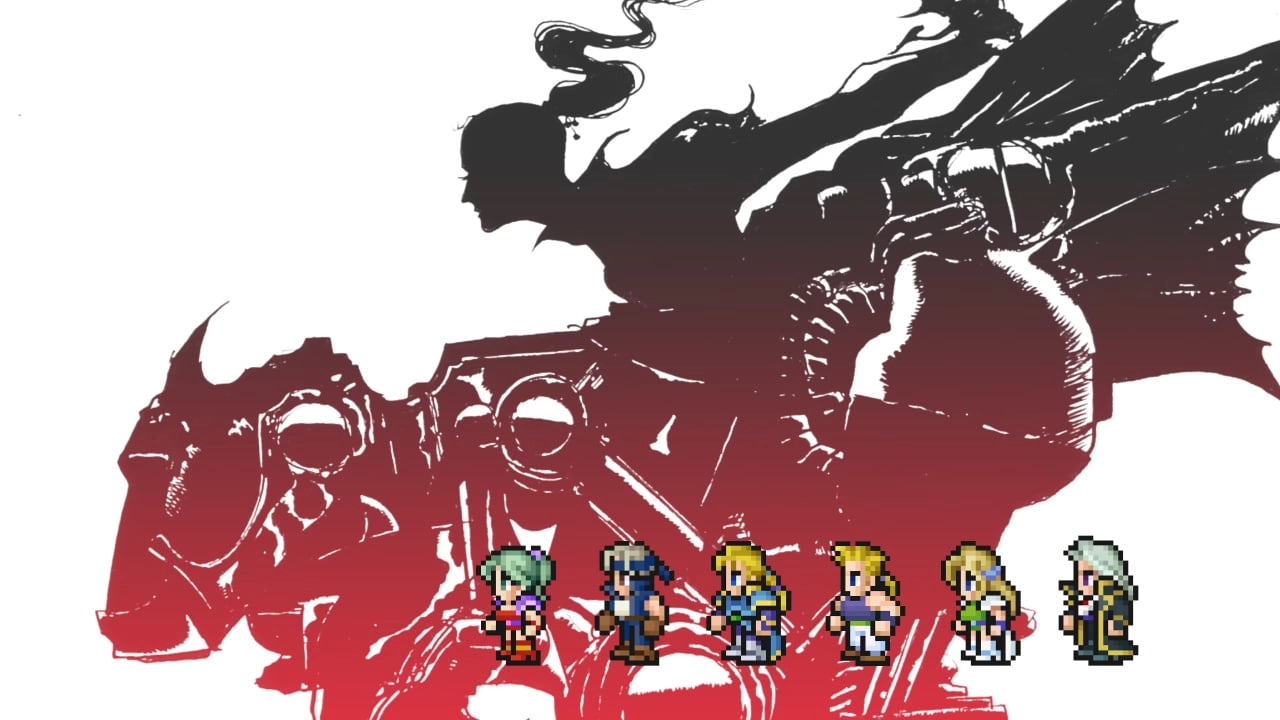
In the world of video game development, the notion of remaking an iconic title can stir a cascade of excitement among its ardent fanbase. The revelation of a remade classic often evokes nostalgia and anticipation; however, not all classics are treated equally, nor do they bear the same feasibility for a contemporary update. This rings particularly true for the classic JRPG realm and, more recently, when the subject of remaking Final Fantasy 6 came to light. According to a Square Enix producer, reinventing the magic of Final Fantasy 6 in today's gaming landscape might be a herculean effort, one that could span two laborious decades.
To understand the magnitude of this assertion, one must look at the precedent set by the Final Fantasy 7 Remake. This game, once considered an elusive dream within the gaming community, finally materialized through Square Enix's commitment, presented as a multi-part saga where each installment stands with the grandeur of a full-fledged game. As players worldwide exhibit their zealous anticipation for the second chapter, Final Fantasy 7 Rebirth, it's natural that curiosity extends to other revered installments—specifically its predecessor, Final Fantasy 6.
With Final Fantasy 7 Remake's production saga being a journey of about ten years, the seemingly daunting prospect of remaking its predecessor comes into sharper focus. Longtime Final Fantasy series producer Yoshinori Kitase provided insights suggesting that a remake of Final Fantasy 6 could potentially require twice the effort, thus doubling the timeline of Final Fantasy 7's own remake timeframe. The heart of this conclusion lies in the intricacies characteristic of Final Fantasy 6, notably its expansive roster of characters.
Unlike its successor, which focused on a more contained cast narrative, Final Fantasy 6 was celebrated for its ensemble of personalities, each bringing a unique story and perspective. This narrative diversity is a double-edged sword, endearing the game to fans while presenting a massive undertaking for a hypothetical 3D recreation. Every character would demand meticulous crafting, animation, and voice acting, inevitably fueling the longevity of the project.
Another layer of complexity, as noted by Hironobu Sakaguchi, the original creator of the series, is the game's genesis in the 2D realm. Final Fantasy 6 originated in the era of pixel art, presenting a charm that's rooted in its time. This transition from 2D sprites to the fully-realized, detailed 3D environments and character models, which modern gaming audiences expect, could prove strenuous in the translation of the game's original essence. The leap to a modernized aesthetic not only transforms the visual experience but also fundamentally alters the mechanics and presentation of the narrative.
Despite these daunting projections, the desire for a Final Fantasy 6 remake persists. The game, often venerated for its poignant plot, memorable characters, and enchanting music, holds a special place in the pantheon of RPGs. For fans, the idea of seeing this world reimagined with today’s technological prowess is enticing, albeit conflicted with the reality of a 20-year production cycle—years that bring about rapid advancements and shifts in gaming culture and technology, possibly rendering protracted developments irrelevant upon completion.
Though the prospect seems grim, the rumors circulating about a potential remake of Final Fantasy 9 suggest that Square Enix may not yet have closed the door on reimagining their classics. With the intention to revisit the monumental titles of their franchise, the company may yet find a balance between preserving the original charm and introducing these worlds to new generations in a timely manner.
In the interim, fans of the series have the Final Fantasy Pixel Remaster to satiate their craving for a retro revival. While not as grand an overhaul as a full remake, these versions offer a bridge between generations, giving modern players a taste of the old-school charm and enthusiasts a polished stroll down memory lane. It's a delicate task, striking equilibrium between honoring a legacy and innovating for the future. Square Enix, it seems, is approaching this crossroad with consideration and reverence for their storied past, even when a 20-year journey might border on the fantastical.

You must be logged in to post a comment!
