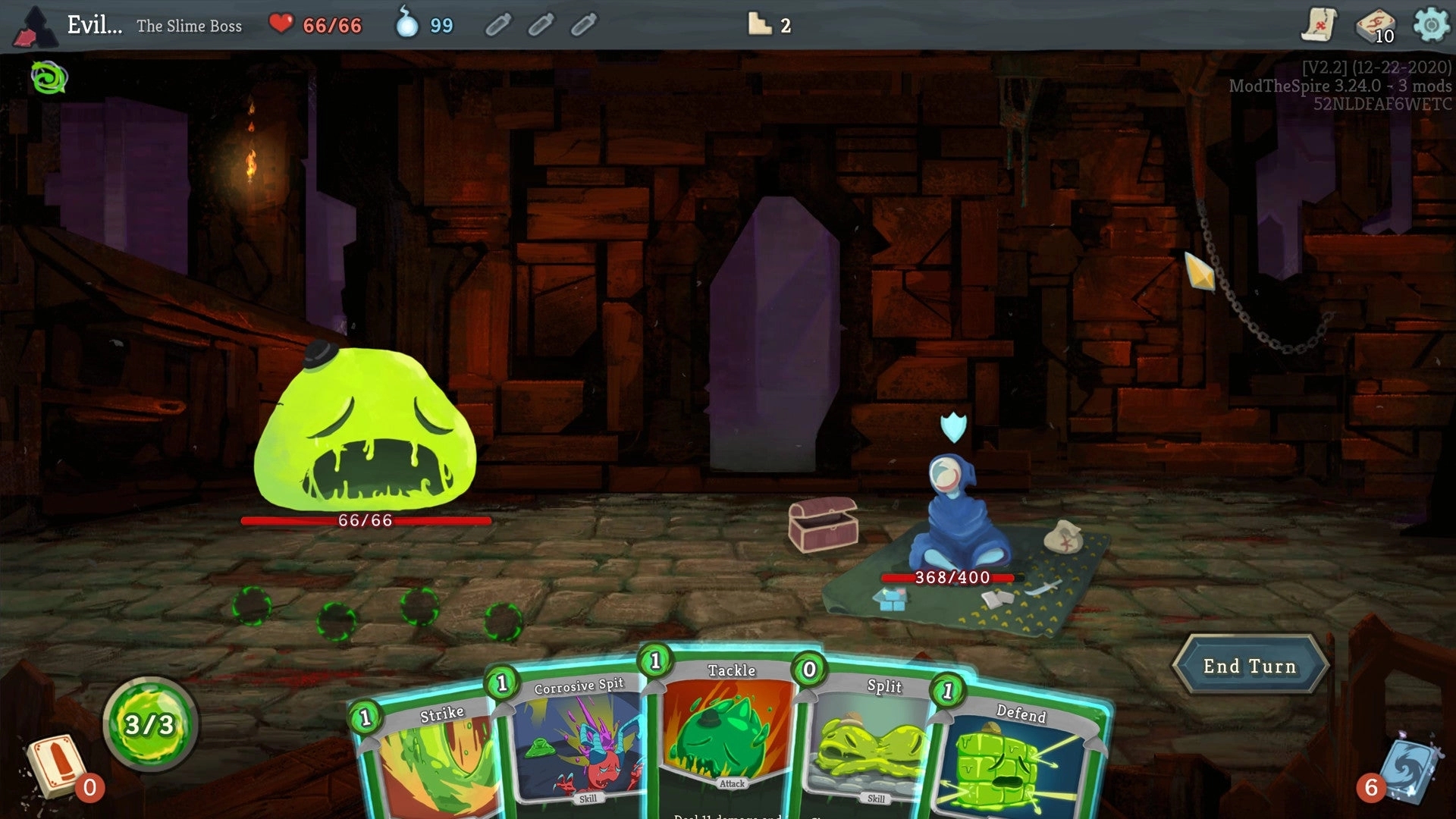
On Christmas Day, a disturbing cybersecurity event occurred involving the popular 'Slay The Spire' mod named Downfall. The mod, a player-created addition to the original game, which introduces new playable characters, a fresh game mode, and additional features, was compromised. Hackers managed to exploit the mod to distribute malware through the Steam platform, potentially impacting players around the world.
The invasive software was specifically designed to target and steal password information. Its mechanism was crafty; it would prompt a fake "Unity library installer popup" to appear when the user launched the Downfall mod. The appearance of this popup was a clear indicator that the user's system had been compromised. Once the malware infiltrated a system, it attempted to scavenge passwords from various sources, including internet browsers like Google Chrome, Microsoft Edge, Mozilla Firefox, Brave, and Vivaldi, as well as messaging applications such as Telegram and Discord.
Affected individuals would unfortunately not find protection through most antivirus programs, as, according to the mod developers, these security solutions frequently failed to halt the malware's initial execution. Nevertheless, they often succeeded in blocking the malware's payload—the extracted sensitive information—from being transmitted over the internet. This offered a slight reprieve, implying that simply being attacked did not guarantee the theft of data.
The breach was serious, as the malware was not just after any passwords; it targeted those stored within browsers and specific applications like Windows local login credentials, further escalating the risk. It even sought out any files potentially containing the keyword 'password' in the filename, thus expanding its potential to cause harm.
Players who fell victim to the attack reported that the malware generated files which could be found in various locations on their hard drives. The mod developers disclosed some of these locations in their announcement and urged users to exercise caution. They advised anyone investigating these suspicious files to do so while offline to prevent the stolen data from being transmitted should their computer be compromised.
As a preventive measure, the development team of Downfall recommended that those who encountered the dubious Unity installer prompt should change their important passwords immediately. This was particularly urgent for accounts without two-factor authentication (2FA), which provides a higher level of security than a simple password.
In the wake of the incident, the team behind Downfall not only resolved the security breach but also took proactive steps for future projects. They have begun developing 'Tales & Tactics', a standalone auto-battling Chess roguelike, likely with an intensified focus on ensuring the security of their users.
Given the evolving landscape of digital threats, this incident serves as a stark reminder of the potential vulnerabilities in the gaming community, particularly concerning fan-created content. It underscores the importance of vigilance and the use of robust security measures like 2FA to protect against cyber threats. Gamers must remain alert to the risks associated with downloading mods and the importance of maintaining up-to-date antivirus software, while developers of such mods face the ongoing challenge of safeguarding their creations against increasingly sophisticated cyber-attacks.

You must be logged in to post a comment!
