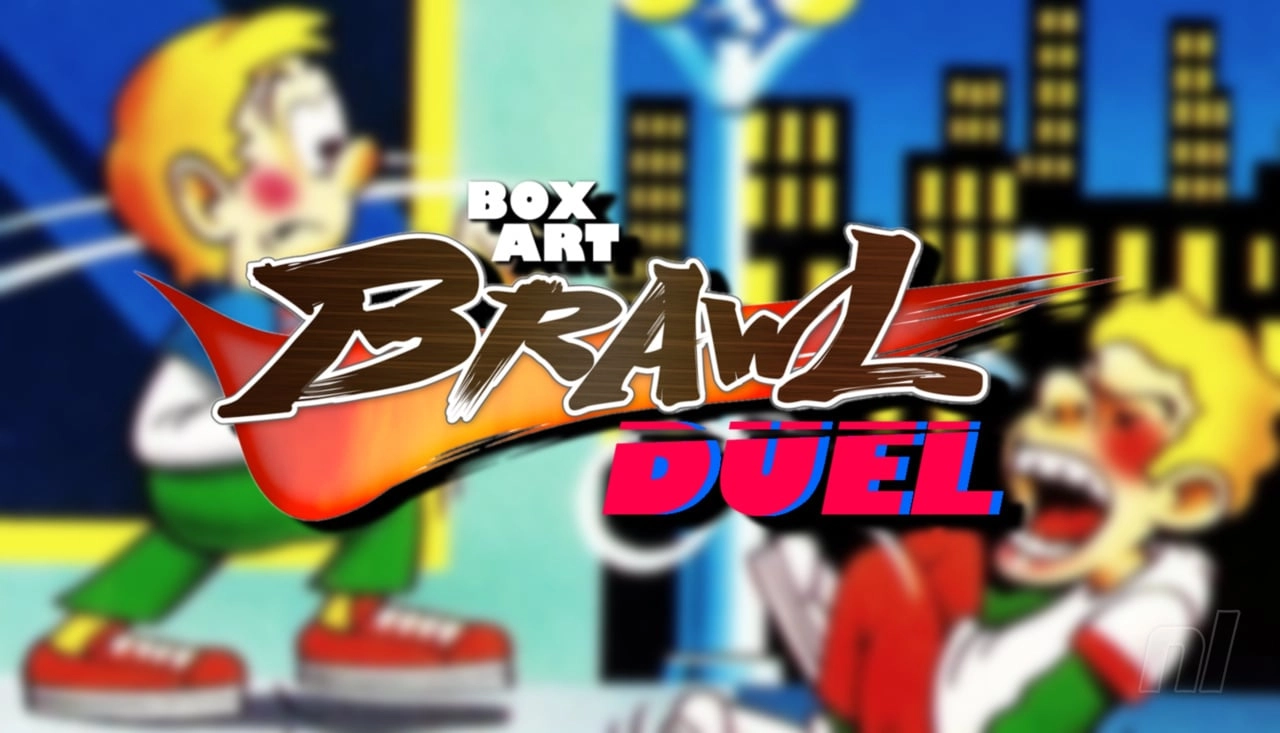
Welcome to another lively week of Box Art Brawl, the fun showdown where historical game covers from different regions go head-to-head, and fans vote on their favorites. This week, amidst the exciting news of Nintendo Switch Online adding new NES titles, our attention shifts to an old classic from the 80s—Urban Champion. It's a fascinating dive into the past as we look at different artistic interpretations used on the game’s cover across the globe.
Urban Champion is often recognized as Nintendo's inaugural foray into the realm of fighting games, originally released in Japan in 1984 and reaching the international market by 1986. Despite not being well received by critics, who often described the gameplay as uninspiring, the game still holds a special place as a pioneer in its genre. Interestingly, it inspired a lesser-known sequel in Japan named Joy Mech Fight.
In our last edition, we focused on DK: King of Swing where Europe emerged victorious, grabbing 50% of the vote followed by North America with 30%, and Japan with 20%. This week’s contest features Urban Champion with Europe and Japan displaying remarkably similar aesthetics, making this competition particularly heated.
Switching our focus to the contestants of this week's brawl, we start with the North American cover art. It is typical of the 'black box' releases for the NES during that era, characterized by simple, pixelated designs that reflect the game's actual graphics. While this style might resonate with aficionados of classic pixel art, some might argue it lacks the colorful allure typical of modern game covers. Nevertheless, the minimalist approach could be viewed as a nod to the straightforward, no-frills gaming experience that Urban Champion offers.
Moving over to Europe and Japan, the cover art takes a decidedly different approach with a comic strip-like flair, reminiscent of vintage British comics like The Beano or The Dandy. The artwork captures a playful yet competitive spirit, with the character on the cover sporting a comically surprised expression as he lands a punch. This less serious, more whimsical presentation could appeal to those who enjoy a bit of humor with their nostalgia.
As with any good contest, the preferences in art are subjective and vary with personal tastes. Perhaps the choice boils down to an appreciation of pixel art versus a preference for comic-inspired imagery. This week’s voting results reflect a close match, showing a currently slight favor towards the North American design at 57%, with Europe and Japan trailing at 43%. It illustrates the wide range of preferences among gamers and art lovers alike.
Whether you’re a fan of the old-school black box style or the quirky comic look, each design offers a unique glimpse into the era of 1980s gaming and the creative strategies used to appeal to different regional audiences. It’s always fascinating to see how a game’s presentation can vary across cultures and how these historical differences continue to affect perceptions of games today.
Urban Champion might not have dazzled critics during its heyday, but its legacy as a trailblazer in the fighting game genre and its visually distinct box arts from around the world keep it alive in the hearts of classic Nintendo enthusiasts. The battle of the box arts is more than just a poll; it’s a celebration of gaming history and the diverse ways games have been presented to audiences across the globe. As we wrap up this week's brawl, it’s clear that regardless of which cover art reigns supreme, the real winner is the enduring spirit of retro gaming nostalgia engaging fans old and new.

You must be logged in to post a comment!
