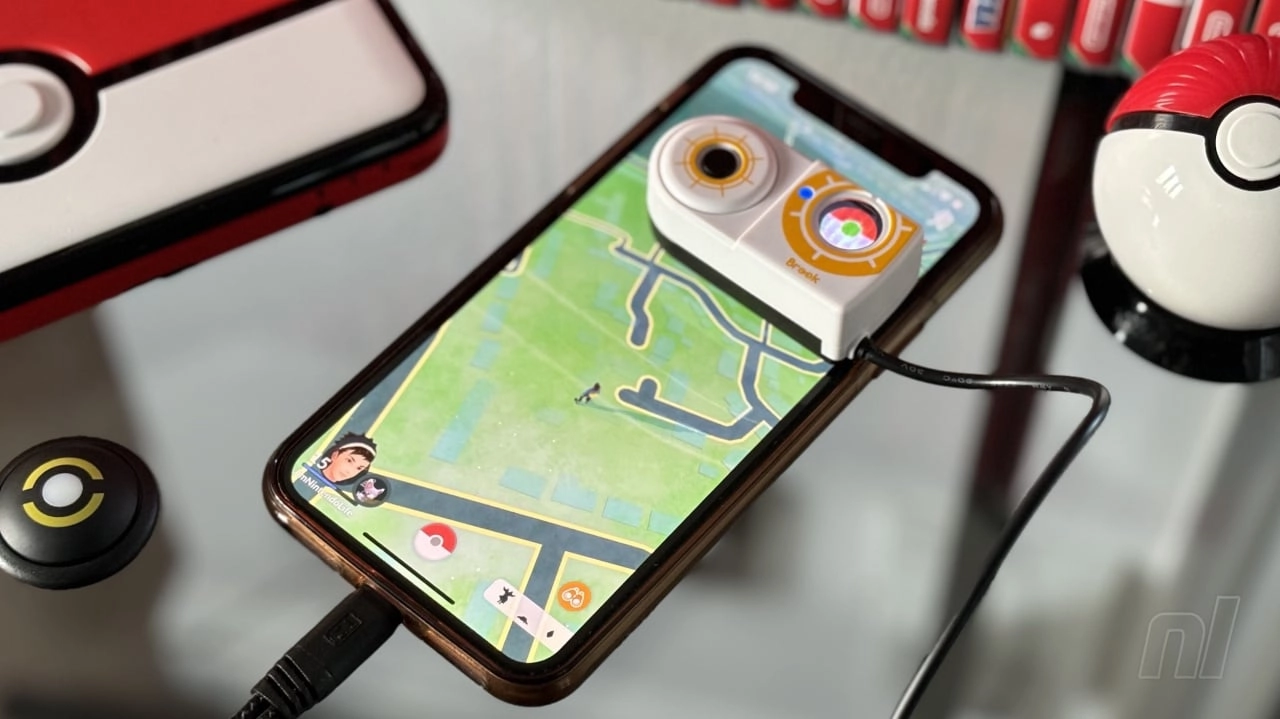
The Pokémon GO Plus and its numerous successors have created a niche market dedicated to automating gameplay for Pokémon GO players. From wristbands to phone clips, these devices have aimed to spin PokéStops and catch Pokémon with minimal effort from the player. Yet, the common nuisance they shared was the auto-disconnect feature, which, while preserving battery life, proved to be a hassle for users who then had to reconnect the devices manually.
Enter the 247 Catcher, a device claiming to offer continuous connectivity, albeit with some trade-offs like the necessity for an always-on screen and a non-pocket-friendly design. Following this, BrookGaming introduced the Pocket iRecatcher, leveraging image recognition to monitor and manage an auto-catcher's connection status.
However, the iRecatcher is not a standalone auto-catcher. Instead, it serves as a companion to existing devices, essentially nudging them to remain active. Its effectiveness, paired with a separate auto-catcher, can't be denied; it reconnects the paired device whenever it disconnects. There's also an Auto-Tap Mode that clicks the screen rapidly, streamlining Raids and Gym Battles.
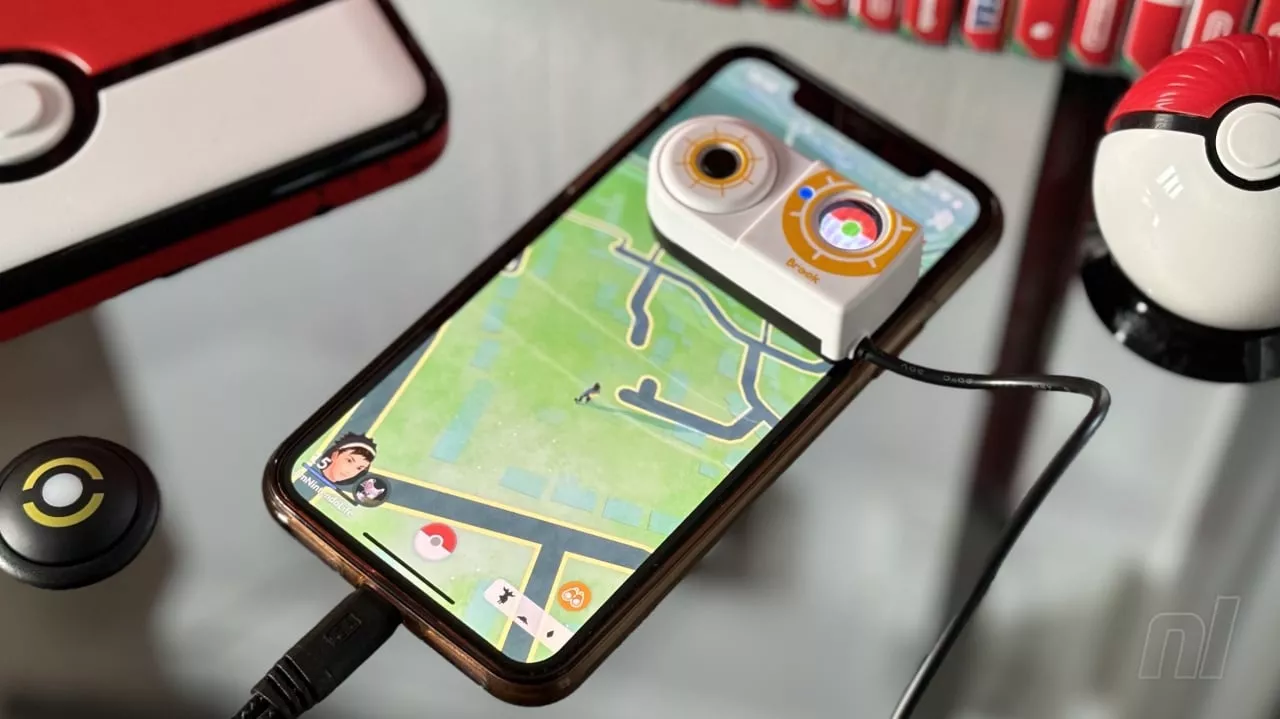
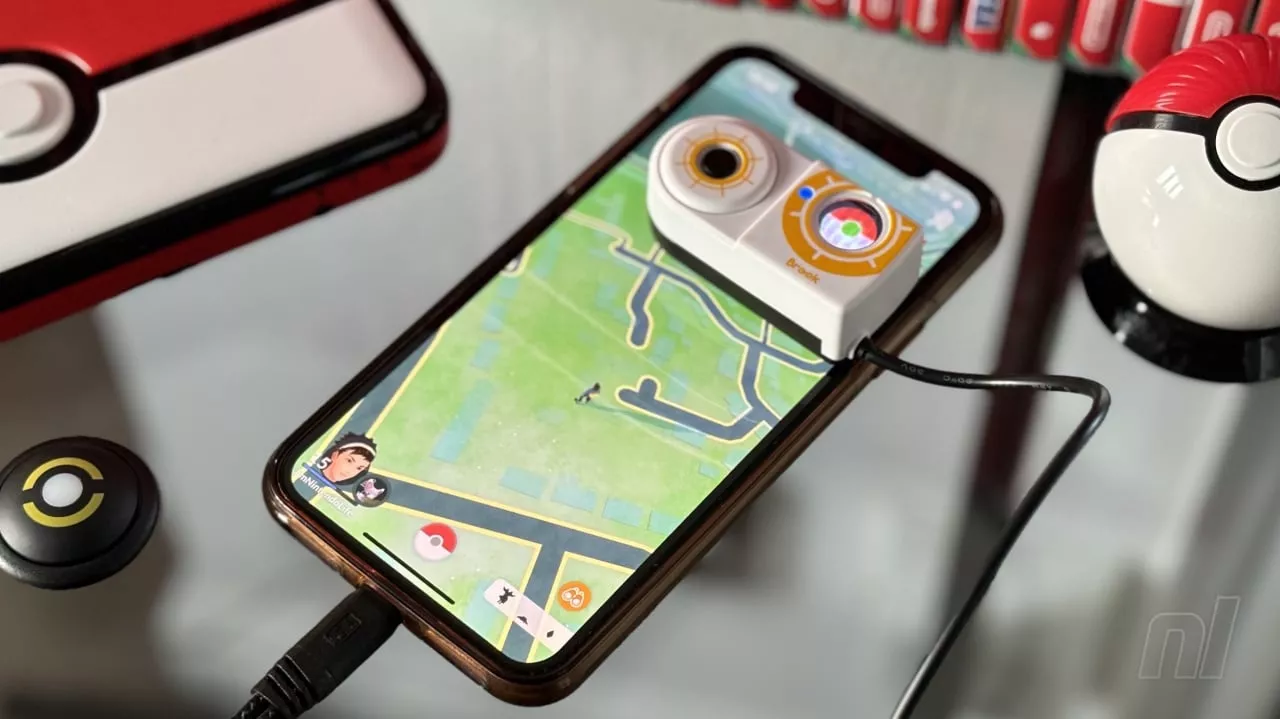
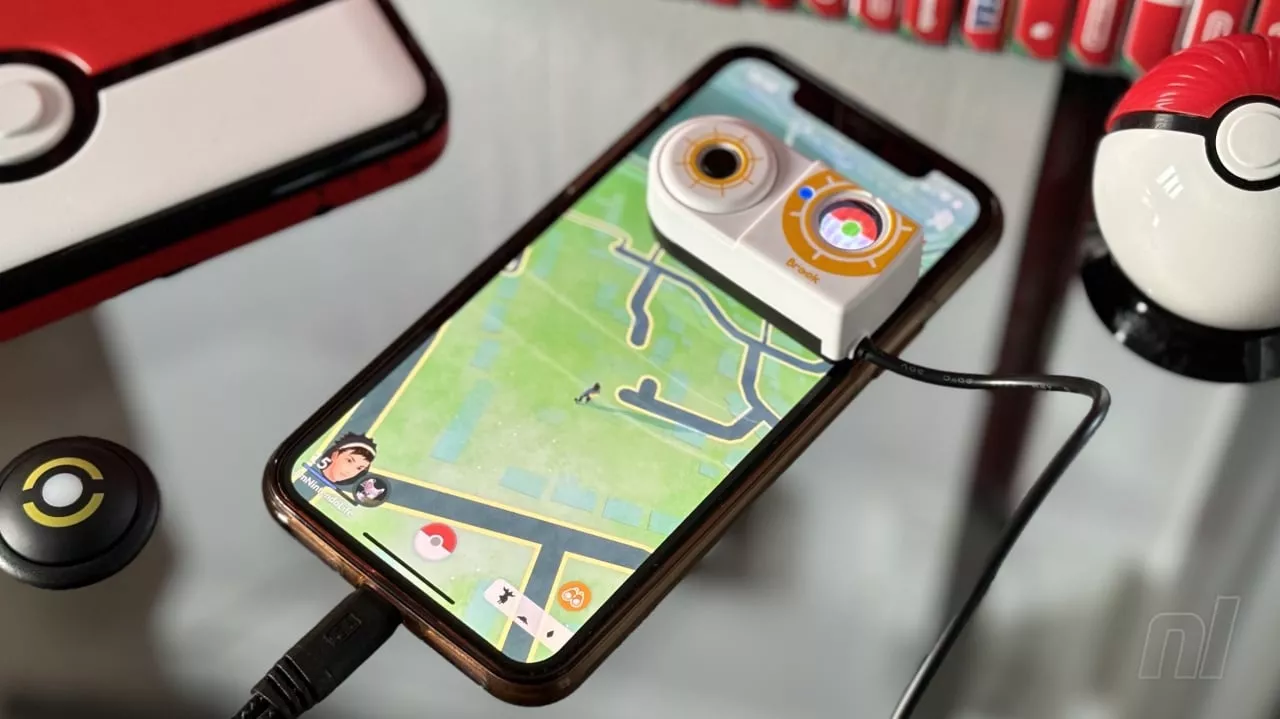
Despite its functionality, the iRecatcher's operation brings with it familiar problems. To work, it clings to your phone's screen and requires the screen to remain on, drastically reducing battery longevity. Moreover, it occupies the phone's charging port, eliminating the possibility of charging your phone while using the device, unless your phone supports wireless charging and you're willing to juggle an extra portable wireless charger.
The iRecatcher's design could be seen as sleek, with an aesthetic in line with Pokémon products, but its practicality does not translate well in real-world usage. Its bulky form becomes obtrusive, especially when you need to interact with your phone's screen. Adding to this, the sticky pad used to affix the iRecatcher to the screen starts off strong but quickly loses its adherence after multiple uses, making it unreliable in a pocket or bag.
Durability aside, the need to remain static while using the device and the inevitable battery drain after a few hours make the iRecatcher a less than ideal solution for prolonged gaming sessions. Consider the battery of the testing iPhone X that only lasted about three hours before the need for a recharge; having a newer phone might extend this time slightly, but not significantly.
In its essence, the Pocket iRecatcher does achieve its aim, but with significant downsides. The device targets a specific audience: those who experience disconnect anxiety and wish for a few uninterrupted hours of auto-catching. Additionally, it may appeal to players who prefer not to tap incessantly during battles. However, with the screen and charging port both occupied, you're essentially walking toward a dead battery.
Furthermore, the cost of the iRecatcher feels hefty considering it requires another device for capturing Pokémon. It raises the question of convenience versus expense for a gadget that primarily caters to dedicated players who can circumnavigate its inconveniences.
Overall, the Pocket iRecatcher is a paradoxical device. It provides convenience in maintaining connectivity for existing auto-catch devices but imposes new challenges in usability. Players should weigh these factors against their desire for passive play and consider whether the iRecatcher's benefits justify its compromises.

You must be logged in to post a comment!
