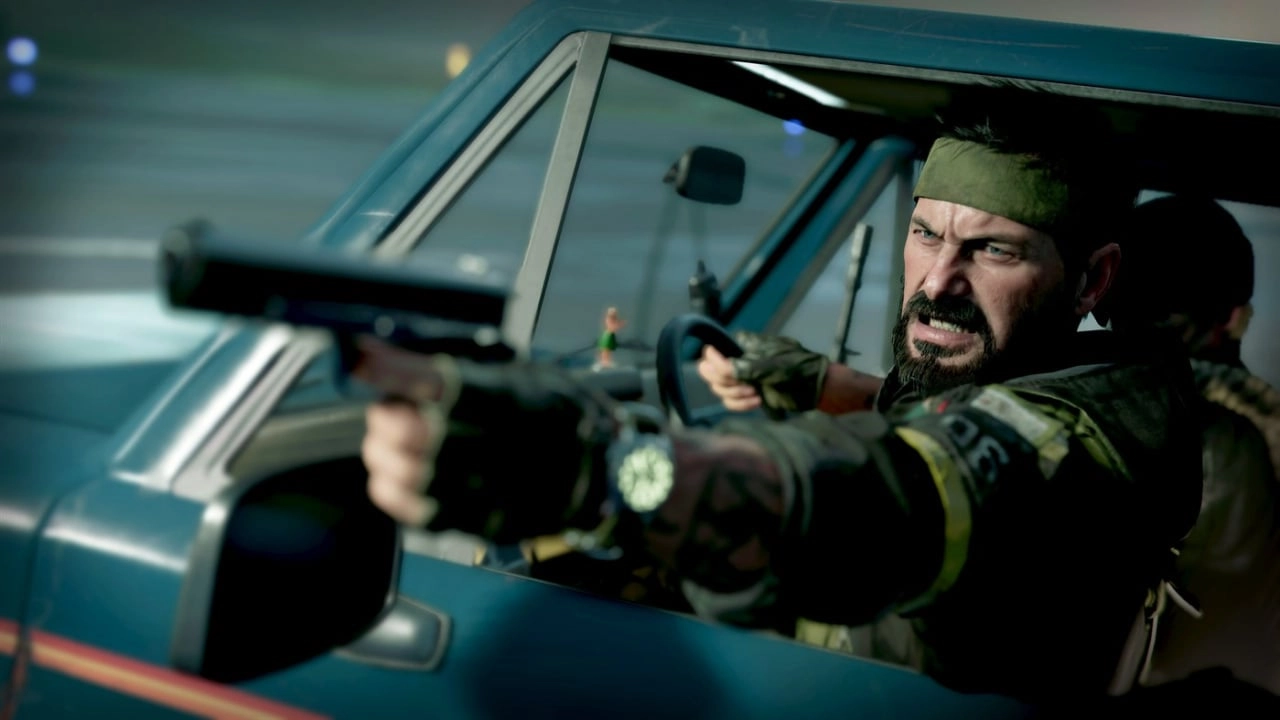
For nearly a decade, the dynamics of game content exclusivity between major gaming console brands like PlayStation and Xbox have significantly shaped player experiences and community discussions. Since 2015, PlayStation held an exclusive partnership with the Call of Duty franchise, under which it received early access to various game content. However, this long-standing arrangement has now come to an end, opening up previously exclusive content to other platforms including Xbox and PC.
The conclusion of this exclusivity deal was marked by the release of additional downloadable content (DLC) for last year's title, Call of Duty: Modern Warfare 3. Initially launched on November 10, 2023, this game featured exclusive content for PlayStation users for a full year. As of November 9, 2024, this timed exclusivity came to an end, enabling this content to be released on other platforms.
Call of Duty's history with exclusivity spans several years and console generations. Before the PlayStation partnership that started with Call of Duty: Black Ops 3, it was Xbox that enjoyed similar perks. From 2009's Modern Warfare 2 through 2014's Advanced Warfare, Xbox players had early access to map packs—a month ahead of other platforms. The type of content made exclusive has varied over the years, ranging from map packs to cosmetic DLC drops and even complete game modes that were available only on PlayStation for over a year.
The ethos surrounding exclusive deals appears to be changing, with industry leaders like Phil Spencer of Xbox advocating for a more inclusive approach. Spencer has explicitly expressed a desire to move away from what he described as "slimy platform things," highlighting a shift toward fostering a more unified gaming community across all platforms. As a result, the end of PlayStation's exclusivity with Call of Duty might foretell fewer instances of restricted content moving forward, aiming for a landscape where all players have equal access to content irrespective of their console choice.
The implications of this change are substantial for the Call of Duty community. PlayStation's exclusive DLC, operator packs, and customization options for Modern Warfare 3 will now be available to a wider audience, enhancing the game experience for Xbox and PC players who previously had to wait for these additions. This not only levels the playing field but also enriches the community engagement across different platforms.
With this strategic shift, the upcoming releases and distribution of game content are anticipated to be more inclusive. This facilitates a broader and more connected community of gamers, promoting uniform experiences across various devices and platforms. The change is also a reflection of broader industry trends where exclusivity is becoming less of a norm, replaced by cross-platform compatibility and simultaneous releases.
While it's clear that exclusive deals can boost console sales and brand loyalty, the move away from such practices reflects a growing emphasis on community and accessibility in gaming. As these barriers come down, the focus may shift more towards quality of content and overall service, catalyzing further changes in how games are marketed and distributed.
For fans of Call of Duty and the gaming community at large, the end of this exclusivity deal is more than just about access to additional content; it signifies a shift towards more equitable gaming experiences. As this trend continues, it's likely that the future of gaming will embrace a more integrated approach, with fewer barriers between players and the content they love, regardless of their platform of choice. Thus, the gaming arena continues to evolve, driven by principles of inclusivity and broader access, ensuring that all players have the best possible experience.


You must be logged in to post a comment!
