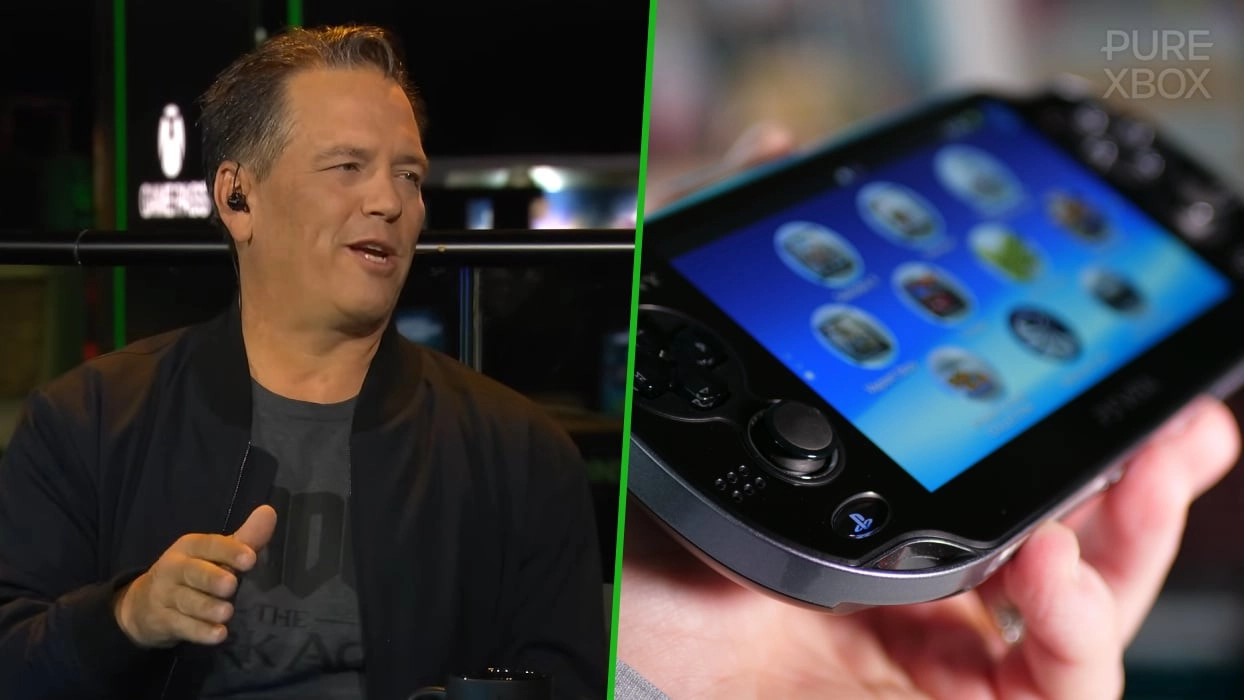
The gaming industry is on the verge of evolving once more with news coming in that two major players in the market, Sony PlayStation and Xbox, are developing their own handheld gaming consoles. Each of these devices aims to merge the immersive experience of console gaming with the portability of mobile devices, changing how gamers access and play their favorite titles.
Sony’s PlayStation division is reported to be in the "early stages" of crafting a handheld device. This isn't the first time PlayStation has ventured into the handheld arena; Sony initially explored this space with the PlayStation Portable (PSP) and later with the PlayStation Vita. However, both devices faced tough competition and the changing gaming landscape. Now, with technology vastly improved, Sony is rumored to be creating a new device that might have the ability to play PlayStation 5 games natively. This means that the games that typically require the advanced hardware of the PlayStation 5 could be available on this new device, offering high-definition gaming on the go.
Meanwhile, Xbox is also making headlines with its plans to develop a handheld console. Phil Spencer, the head of Xbox, has expressed enthusiasm for handheld gaming in recent statements, emphasizing an interest in building such a device in the future. While specifics are sparse, it's clear that Xbox is prototyping and exploring what could be its entry into the handheld gaming market. The idea, although still in its infancy, suggests an aim to extend the reach of the Xbox gaming experience to even more portable formats.
The common thread between the efforts of PlayStation and Xbox seems to be the aim to enhance the portability of high-quality gaming experiences. Traditional consoles, while powerful, require a static setup where the console is hooked up to a television or a monitor. Handheld devices, on the other hand, offer the priceless benefit of mobility which modern lifestyles often demand. Both companies appear to be reacting not just to market demands but also to the technological advancements that now allow more powerful games to run on smaller, energy-efficient devices.
Despite the excitement, these projects are surrounded by a cloud of uncertainty. Both Sony and Xbox have not released specific details about the hardware, nor have they committed to a solid launch date. There’s acknowledgement, however, that if brought to fruition, both devices could represent significant strides in gaming technology, providing gamers with new ways to enjoy their favorite games. Moreover, with the success of other portable devices like the Nintendo Switch, it’s clear there’s a viable market eager for quality gaming on the go.
In the broader context, the development of these devices could also set a new competitive arena in the gaming industry. The introduction of handheld consoles by PlayStation and Xbox could potentially shake up market dynamics, challenging established portable gaming devices and possibly even impacting the mobile gaming sector. More immediately, it could reignite interest and debates on the ergonomics, battery life, and game library that these new devices would bring.
Furthermore, the potential of a native PlayStation 5 gaming handheld opens up exciting possibilities for game developers, offering a new platform to target, which could lead to innovations in game design suited to portable contexts. On the Xbox side, a similar device could harness the vast ecosystem of Xbox Game Pass, offering an extensive library of games on the go.
Overall, the news of Sony and Xbox venturing into handheld gaming devices heralds an exciting, if uncertain, future for gaming. It points to a convergence of high-definition gaming with the universal appeal of portability—staking the foundations for a new era where gaming is more accessible, versatile, and deeply integrated into daily life. As the gaming community awaits more concrete news and developments from Sony and Xbox, the possibilities seem as expansive as the virtual worlds these devices aim to host.

You must be logged in to post a comment!
