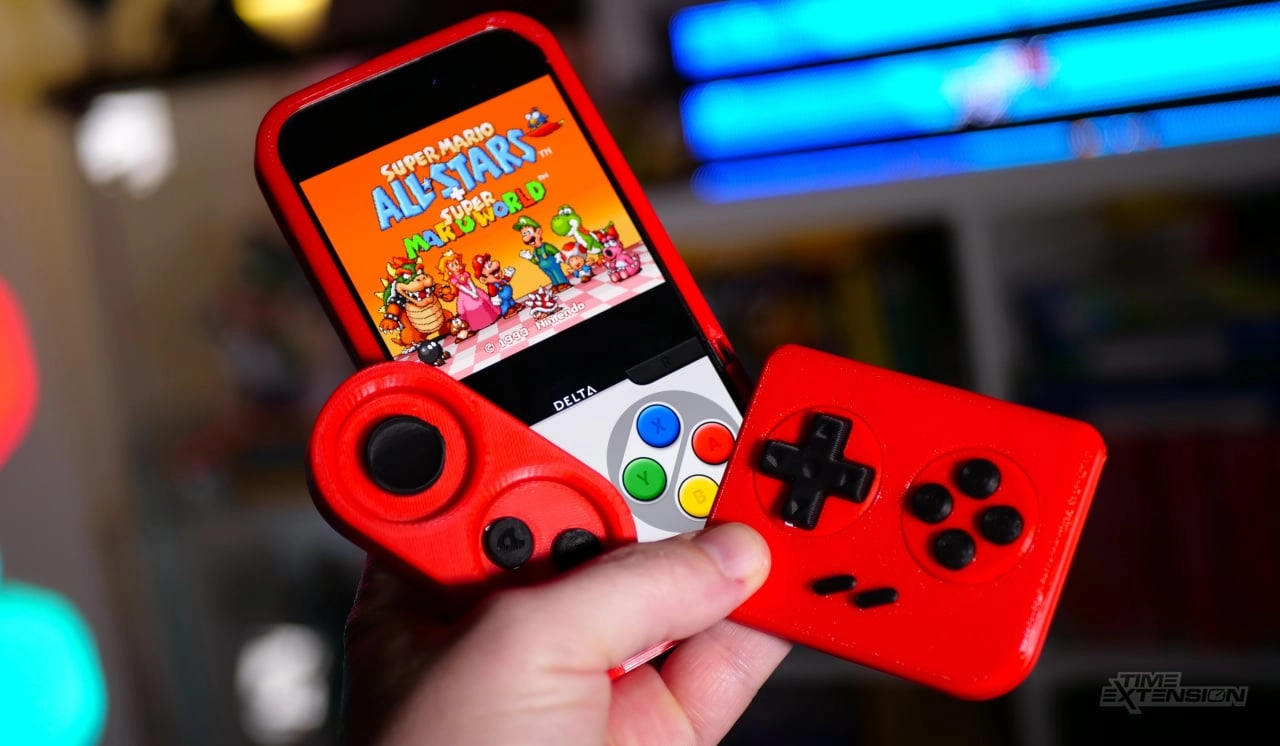
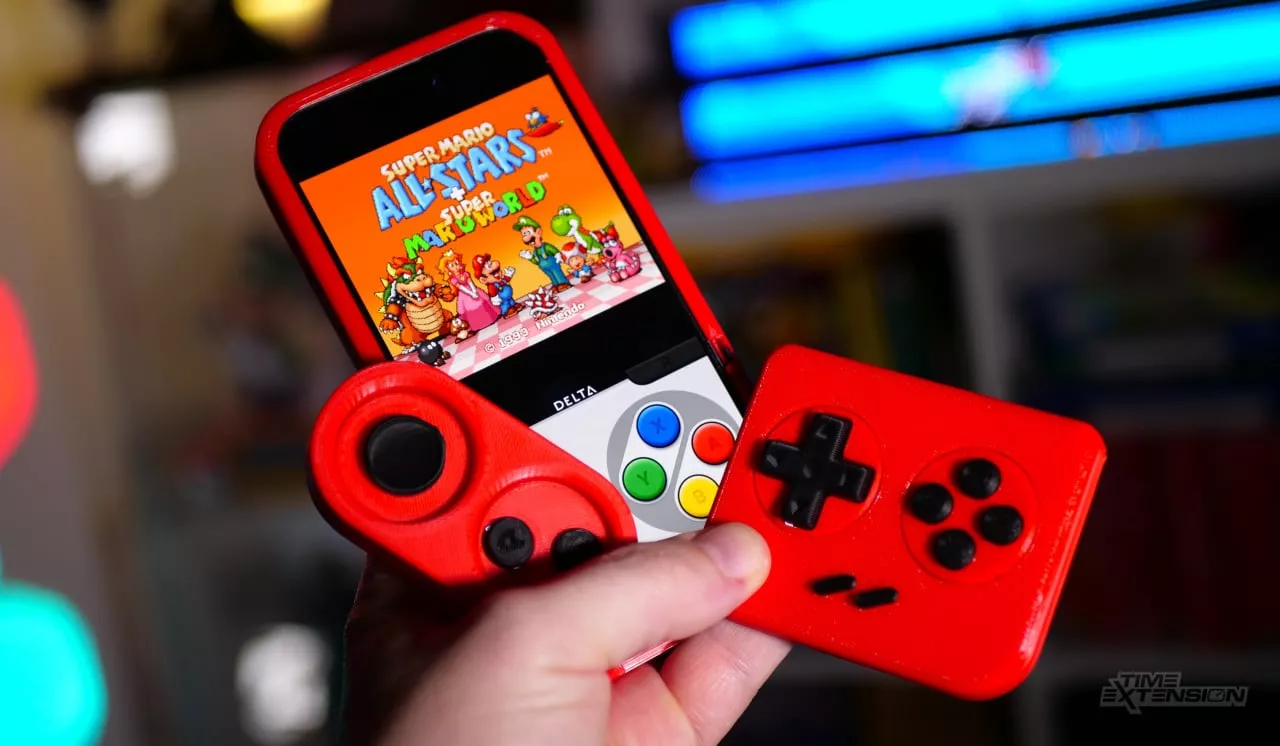
In a world where smartphones play a central role in daily activities, gaming on these devices has often been limited by the lack of tactile controls, which typically makes the experience less immersive compared to traditional gaming consoles. However, a new product named PlayCase aims to transform the iPhone into a more engaging gaming console with the addition of physical buttons and controls.
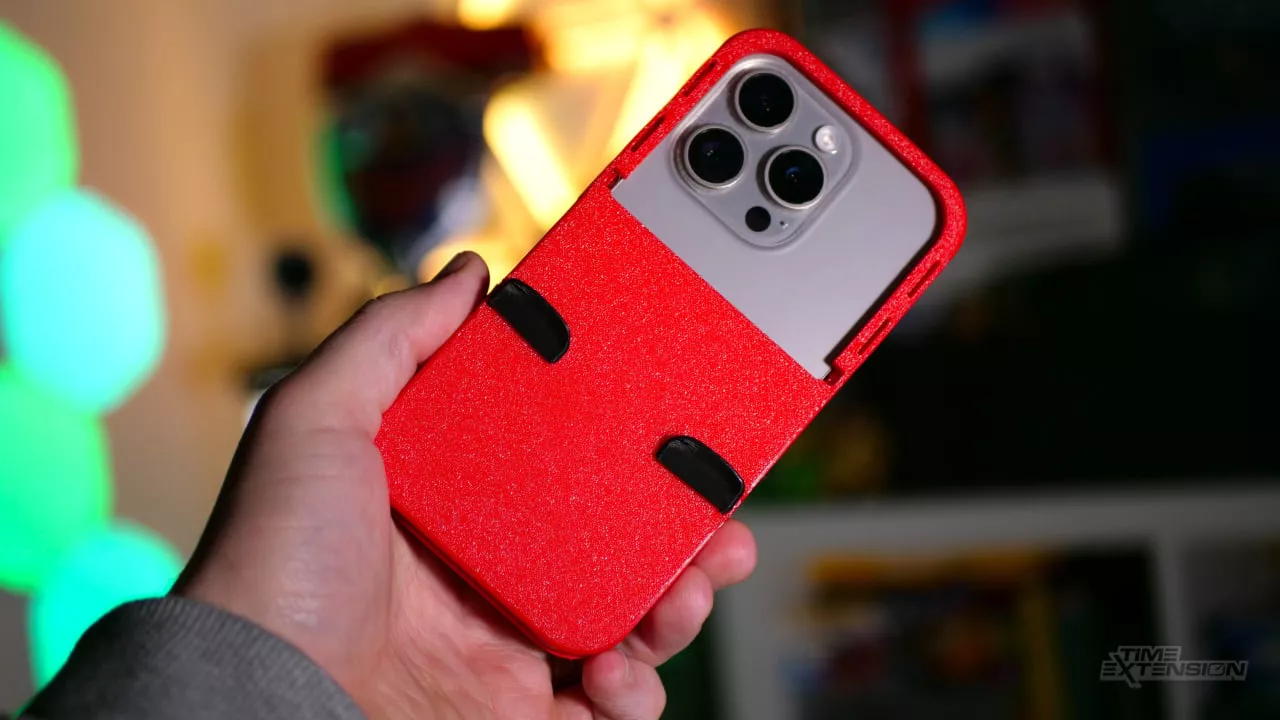
Developed by Shelby Klein, PlayCase is crafted using 3D printing technology and is tailored for various iPhone models including the iPhone 12 Pro up to the iPhone 15 Pro Max. Priced at around $50, this innovative case not only protects the phone but also features a detachable faceplate with physical gaming controls. When not in use, the faceplate conveniently docks on the back of the case.
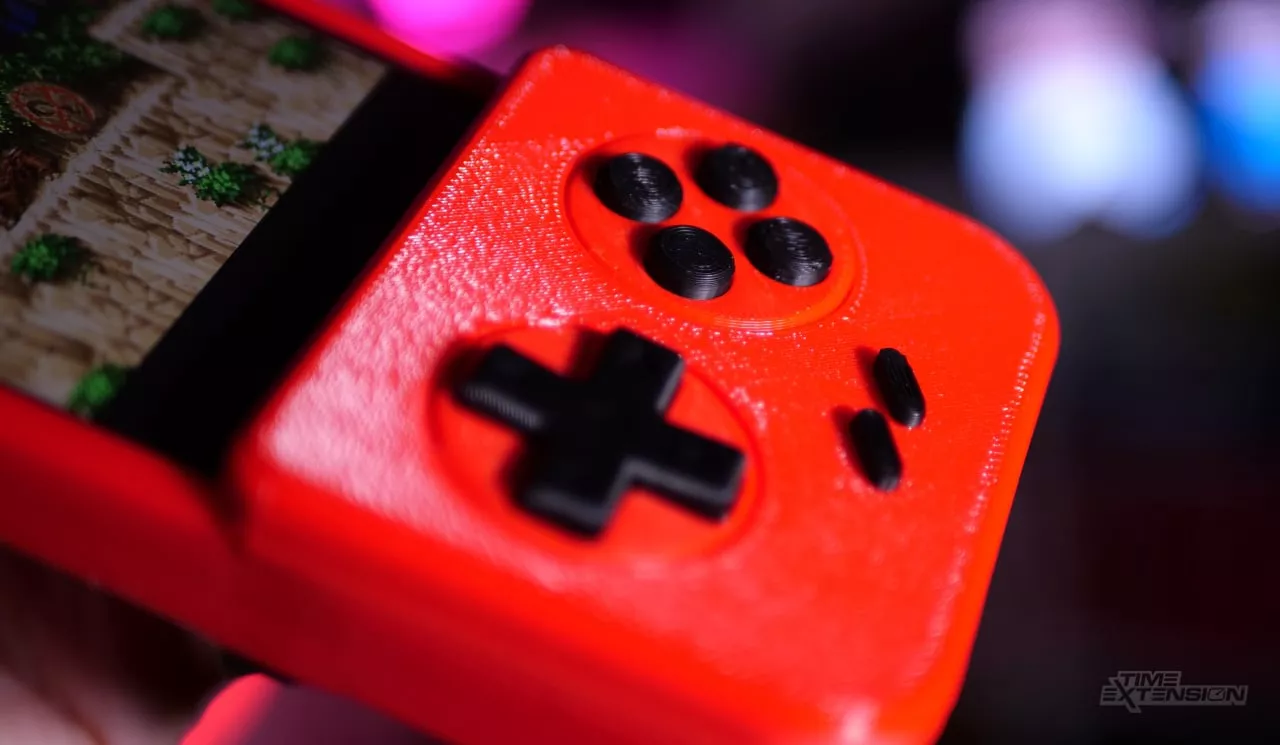
A prominent issue with smartphone gaming is the lack of tactile feedback from virtual touchscreen buttons. PlayCase addresses this by incorporating moving parts in the faceplate which physically interact with the iPhone's touchscreen using conductive materials. These components are designed to mimic the feel of conventional gaming buttons, allowing them to flex and spring back into position. This mechanism facilitates a more authentic gaming experience, albeit not perfectly replicating the feel of a traditional gamepad.
One clever aspect of the PlayCase is its modular design, affording users the flexibility to switch components depending on the game being played. For example, different button layouts can be attached for playing NES or SNES games, corresponding to the specific requirements of these platforms. Even the D-pad can be swapped for an analog-style slider, enhancing the adaptability of the case to various gaming needs.
Despite its innovative features, PlayCase does have some significant drawbacks. The primary concern is the durability of the 3D-printed components. During testing, the plastic around the D-pad suffered a breakage, highlighting the fragility of the material used. While these parts are modular and can be replaced, the durability issue could pose a long-term problem for users who engage in frequent gaming sessions.
Another critical issue is the design of the shoulder triggers, which protrude awkwardly from the back of the case. This design choice not only affects the ease of sliding the phone in and out of tight pockets but also blocks the iPhone’s rear cameras when the front plate is attached to the back for storage. Moreover, the overall aesthetic of the PlayCase might not appeal to everyone. The visible print lines and rough texture resultant from the 3D printing process give it a less refined appearance, which might deter users who prefer a sleeker look, especially when considering the premium nature of the iPhone itself.
Klein seems committed to refining this product, so future iterations of the PlayCase may see improvements in these areas. For consumers who prioritize functional gaming enhancements on their iPhones, the PlayCase offers tangible benefits by providing physical controls, which significantly improve the gaming experience over standard touchscreen inputs. However, potential buyers should weigh these benefits against the issues of durability and design before making a purchase.
Overall, while the PlayCase presents a novel solution for gamers looking to enhance their iPhone gaming experience with physical controls, the execution has room for improvement. With some refinements, this product has the potential to appeal to a broader segment of mobile gamers looking for a more console-like experience on their smartphones.

You must be logged in to post a comment!
