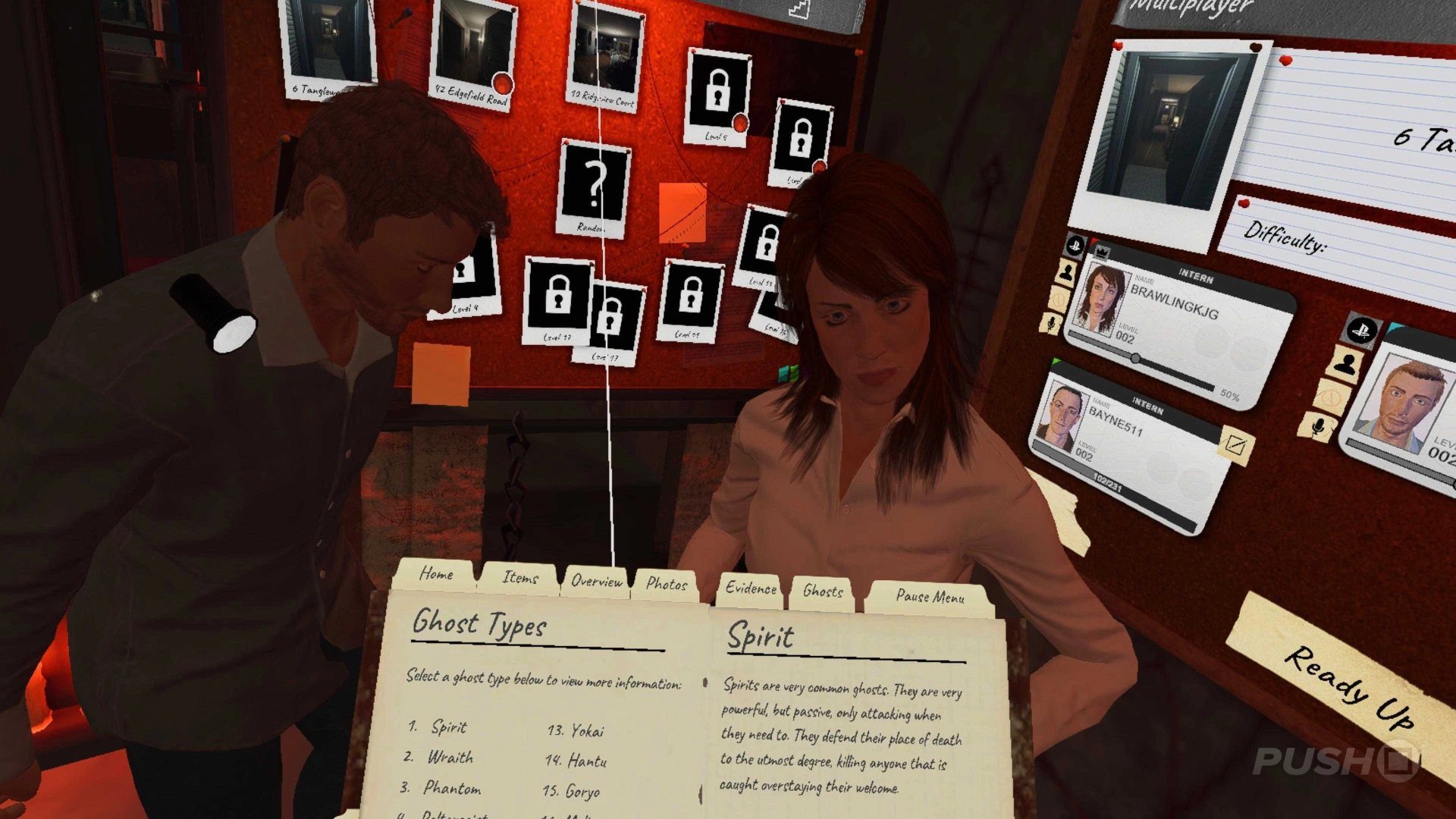
Phasmophobia, initially released for PC in 2020, has captivated a broad audience with its unique blend of horror and cooperative gameplay. As it launches on the PlayStation 5, with the inclusion of PlayStation VR2 support, the game transitions into a more immersive and intense experience, despite facing some technical hurdles.
The core of Phasmophobia involves teams of up to four players taking on the roles of ghost hunters, tasked with identifying and documenting ghostly presences in various haunted locations. Players are equipped with a basic kit comprising tools like thermometers, EMF readers, UV lights, and camcorders which are crucial for detecting and narrowing down the types of ghosts haunting the area.
Gameplay begins somewhat clumsily as players learn the ropes, often resulting in swift deaths and humorous mishaps—typical of a high learning curve game. However, once players grasp the game's mechanics, Phasmophobia flourishes into an engaging cycle of investigation, strategy, and survival. Communication is facilitated through proximity chat and walkie-talkies, enhancing the cooperative aspect. This becomes particularly essential as players divide tasks and explore different sections of eerie houses to determine the ghost's whereabouts before their sanity levels drop too low, making them vulnerable to ghost attacks.
Setting up equipment like cameras, notepads, and UV lights turns these haunted houses into paranormal research hubs. Some players may find themselves stationed in the van, monitoring cameras and guiding teammates via radio, which can be both thrilling and chilling as they watch their friends face spectral dangers.
The game escalates in complexity and fear as players delve deeper into their investigation. Each type of ghost—over 20 varieties—has unique behaviors and effects which can mimic or confuse the investigators, requiring careful analysis and quick thinking. Team debriefs become crucial as players compare notes and decide on the identity of the ghost based on gathered evidence.
Despite its seemingly simple gameplay loop, Phasmophobia remains challenging and fresh due to its unpredictable nature. Ghostly activities like temperature drops or electromagnetic fluctuations can happen suddenly or build up over time, keeping players constantly on their toes. Moreover, the fright factor is well-executed through dim lighting, unsettling sound effects, and spooky ghost interactions such as manipulated objects and fleeting apparitions.
If players are caught by a ghost, they experience a brief, horrifying animation and subsequently turn into spirits themselves. While they can no longer verbally communicate, they can still interact with objects to assist—or confound—the remaining hunters.
As players continue to undertake missions, they earn money to purchase better equipment and unlock advanced tools. This progression system adds a rewarding element to the game, though the pace of unlocking new items can be slow.
Phasmophobia’s PSVR2 implementation significantly heightens the immersive experience. The tactile sensation of wielding a flashlight or struggling with a stubborn door in virtual reality adds layers to the gameplay, making ghost encounters profoundly more terrifying. However, the VR experience is somewhat marred by clunky interactions and a lack of voice command features that are present in the PC version, which could have further enhanced the immersive experience.
Despite these drawbacks, Phasmophobia on PS5, especially with PSVR2, offers an exhilarating and eerie social experience that horror fans will likely appreciate. Whether in VR or on a conventional screen, the game’s strong emphasis on cooperative play, strategy, and atmosphere makes it a standout title in the horror genre. As updates and patches improve the technical aspects, Phasmophobia is poised to remain a beloved choice for gamers looking to test their bravery against the supernatural.

You must be logged in to post a comment!
