
The term "JRPG," which stands for Japanese Role-Playing Game, has been a significant identifier in the gaming industry, primarily used by the Western media to categorize role-playing games originating from Japan. This designation has stirred diverse opinions, especially among creators and players, about its implications and connotations. While some see it as defining and restrictive, potentially carrying a negative shade due to perceived limitations in the genre, others view it as a badge of cultural identity and creativity.
Recently, the debate around the term JRPG has resurfaced with contrasting viewpoints from prominent figures in the Japanese gaming industry. Naoki Yoshida, the director of Final Fantasy XVI, has criticized the label, suggesting it carries discriminatory undertones that might undervalue the genre and the creativity behind it. Despite this significant critique, not everyone in the industry shares Yoshida’s concerns.
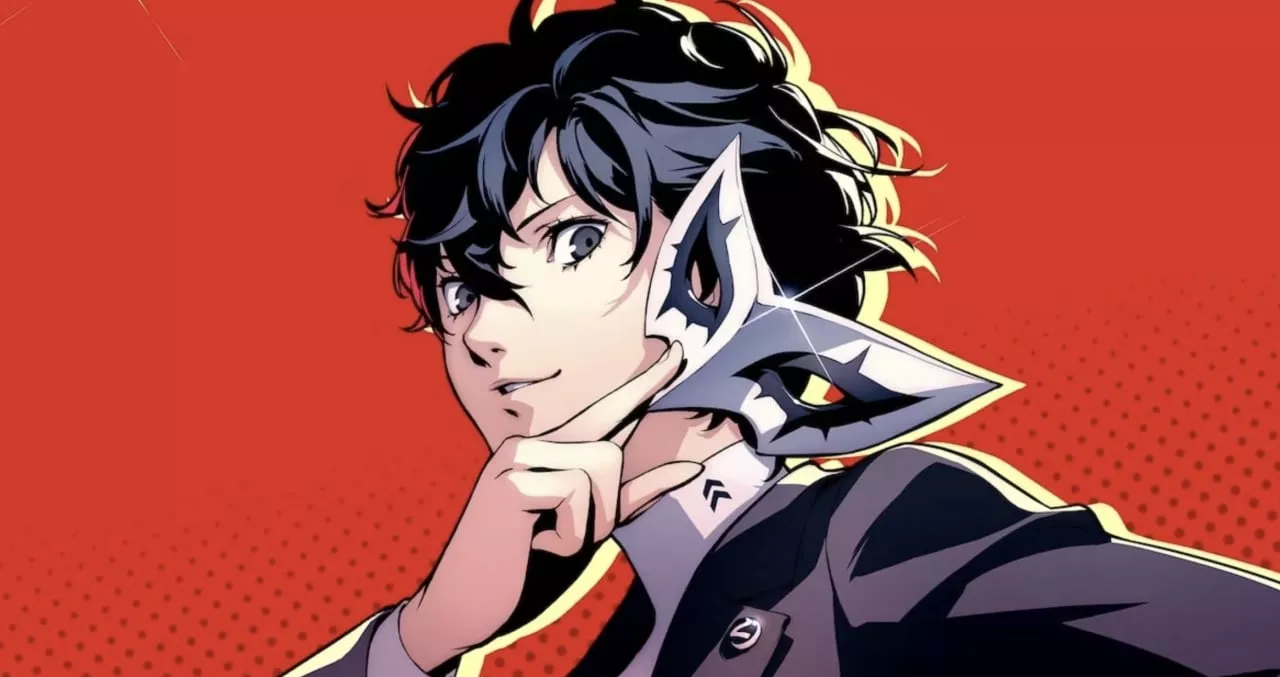
In a different light, Katsura Hashino and Shigenori Soejima, both of whom are veterans of the celebrated title Persona 5, expressed a more embracing attitude towards the term. In an interview with GamesRadar, linked to their work on Atlus' new game Metaphor: ReFantazio, these designers shared their perspectives that highlight a different narrative around the JRPG label.
Katsi Hashino, the director of Metaphor: ReFantazio, addressed the term from a creative freedom standpoint. He mentioned that individual preferences play a crucial role in how terms and genres are perceived. Hashino emphasized that the primary goal for developers like himself is to focus on crafting enjoyable and engaging games without being overly concerned with the specific labels that might be applied to them, such as JRPG. This approach suggests a broader vision where the type of game becomes secondary to the player's experience and enjoyment.
Adding to Hashino's perspective, Shigenori Soejima, the character designer for the same project, discussed the cultural implications of the term JRPG. Soejima sees the JRPG label as more than just a genre descriptor; to him, it encapsulates the essence of Japanese pop culture, including anime and manga. From his standpoint as a character designer, adding the ‘J’ to RPG denotes a connection to a larger movement of creative expression unique to Japan, thereby bringing a sense of pride and identity to his work.
Soejima’s comment sheds light on how the term JRPG can serve as a conduit for showcasing Japanese cultural elements to the global gaming community, highlighting the distinctive style and storytelling approaches that Japanese creators bring to the gaming table. It reinforces the notion that these games are an integral part of Japan’s cultural export and influence.
The discussion around whether to continue using the term JRPG reflects broader debates about identity, cultural representation, and the global reception of Japanese games. Even within the gaming community, opinions vary widely, illustrated by a small informal poll where the majority expressed indifference or support for the term, while a minor segment chose not to define their stance clearly.
Beyond the confines of terminology, the influence of Japanese games remains profound in the gaming industry. Titles such as Persona, Final Fantasy, and many others continue to define and push the boundaries of what role-playing games can be, irrespective of the geographical label attached to them. These games often blend intricate storytelling, deep character development, and innovative gameplay mechanics that resonate with a vast audience worldwide, showcasing the universal appeal of what might be bundled under the JRPG umbrella.
For developers like Hashino and Soejima, the focus remains steadfast on innovation and the joy of creation, suggesting a healthy detachment from the potential constraints of categorization. Their stance celebrates the creative spirit and cultural essence that Japanese developers bring to the global gaming scene, potentially transforming any perceived negativity surrounding the JRPG term into a point of cultural pride and creative distinction. This perspective invites players and creators alike to appreciate and explore the rich tapestry of gaming genres, irrespective of origin, while acknowledging the unique contributions of Japanese creativity to the global gaming landscape.

You must be logged in to post a comment!
