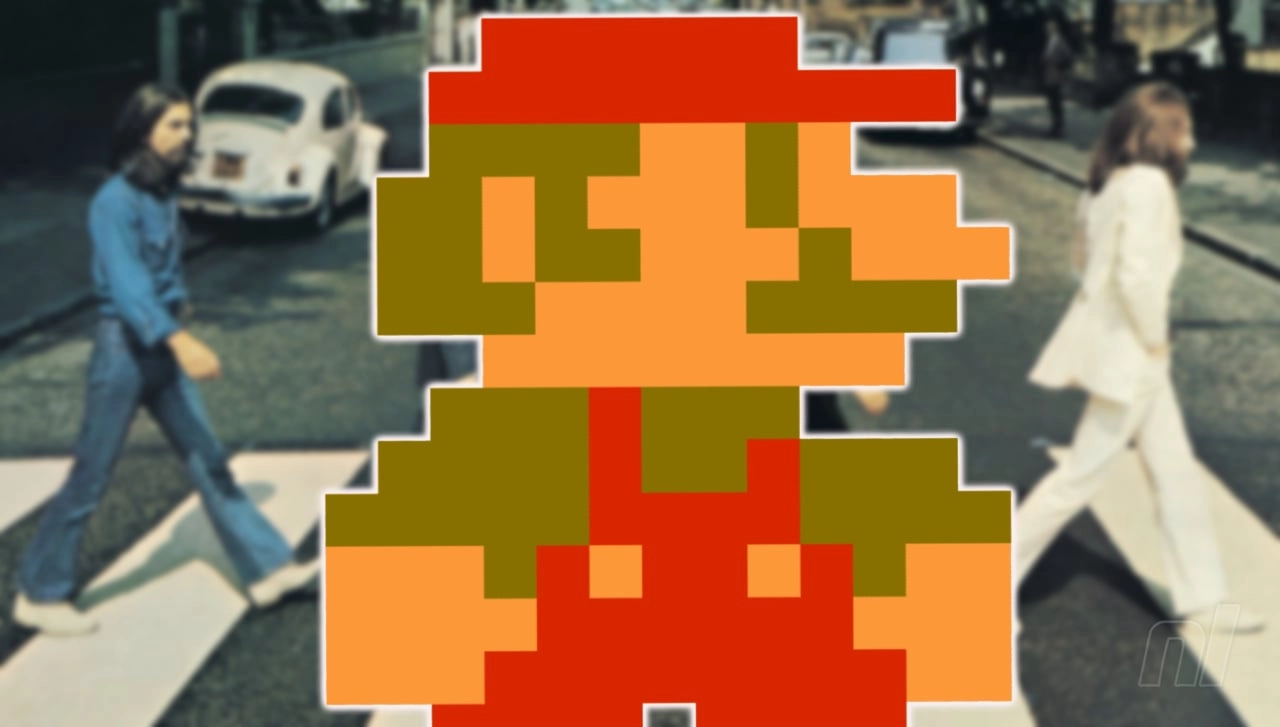
In the realm of video game music, few melodies are as instantly recognizable as the Super Mario Bros. theme. Composed by Koji Kondo, this theme has become synonymous with childhoods worldwide and has left an indelible mark on the gaming industry. What might come as a surprise, though, is the theme's reach and influence beyond the gaming community, extending into the hearts of even musical legends like Paul McCartney.
The story of Kondo's unexpected brush with fame emerged during an interview with The Washington Post's Gene Park, where Kondo reflected on his illustrious career and the influence his compositions have had over the years. The interview uncovered a rather unique and heartwarming anecdote that underscores the widespread appeal of Kondo's work.
Years ago, not long after the release of Super Mario Bros., Kondo, alongside Nintendo's legendary designer Shigeru Miyamoto, attended a Paul McCartney concert in Japan. As word of their presence reached McCartney, he was intrigued—not because of Nintendo’s gaming prowess, but specifically due to the irresistible charm of the music featured in Super Mario Bros.
McCartney, a former Beatle and a household name in music, did something unexpected. He invited Kondo and Miyamoto backstage after the concert. The remarkable moment that followed was more than what Kondo could have anticipated. Upon their meeting, Paul McCartney, along with his then-wife Linda, expressed their admiration for Kondo's work in a rather unique musical manner – they sang out the opening notes of the Super Mario Bros. theme.
Kondo, recounting the encounter, described it as an "incredible moment." The exchange symbolized a meeting of two worlds: the legendary heritage of the Beatles intertwining with the burgeoning culture of video games. This was a time when video game music was only beginning to be recognized for its artistic value, and Kondo's themes were at the forefront of this evolution.
Koji Kondo's contributions to Nintendo and to the music industry have been vast. His tunes have accompanied players on countless adventures in the worlds of Mario, Zelda, and many others. It speaks volumes when an artist of McCartney's stature not only recognizes but also joyously celebrates the work of a fellow musician from a different medium.
The story also highlights the cultural impact that video game music can have. It isn't just background noise for levels or boss fights; it's a powerful art form capable of moving people, transcending barriers and even charming one of the most accomplished musicians of the 20th century. Kondo's Mario theme struck a chord with McCartney, showing that great music knows no boundaries – not even between rock 'n' roll and 8-bit tunes.
Moreover, Kondo's Mario theme has not only enjoyed the acknowledgment of music legends but also received official recognition in the form of its addition to the National Recording Registry. This cements its place in history as a significant audio recording that reflects life in the United States.
To top off his list of accolades, Koji Kondo himself was recently inducted into the Academy of Interactive Arts & Sciences Hall of Fame. This honor celebrates his invaluable contributions to the field of video game music and acknowledges his role in shaping the gaming industry’s audio landscape.
The encounter between McCartney and Kondo is a testament to the universal language of music. It showcases the ability of a simple melody to connect people across the spectrums of culture, age, and even their primary mediums. Kondo's work, initially crafted for a video game, ended up being serenaded by one of the world's most revered songwriters – a true nod to its excellence and longevity.
This memorable backstage meeting illustrates not only the power of music but also the deep respect individuals in creative fields have for one another's art, regardless of how or where it is presented. Paul McCartney's admiration for Koji Kondo's Super Mario Bros. theme can inspire us all to look beyond our own realms and appreciate the diverse expressions of creativity around us.

You must be logged in to post a comment!
