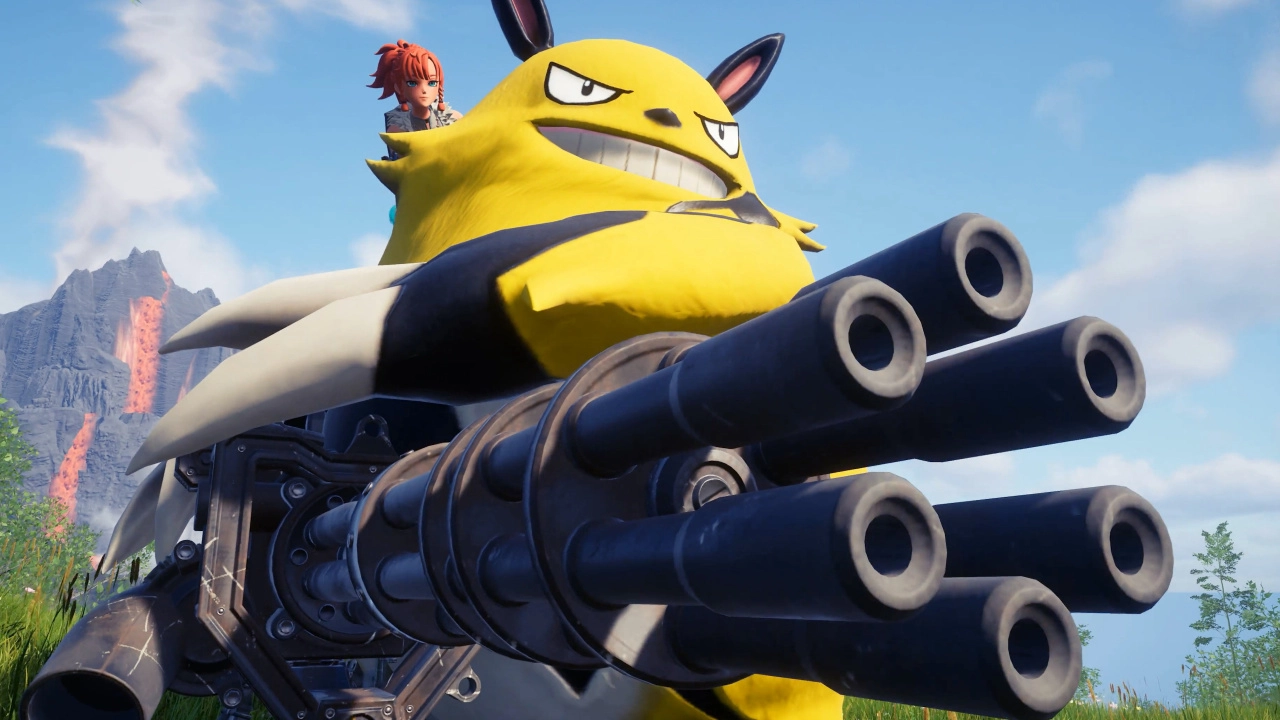
Palworld, an acclaimed title available on Xbox Game Pass and PC, finds itself at a developmental crossroads. Pocketpair, the game's developer, is pondering a significant shift in its distribution model, weighing the option of converting Palworld into a free-to-play, live-service game. This contemplation arises amidst the game's popularity, which could be further enhanced by adopting a business model aimed at prolonging its lifespan and stabilizing its profitability.
Takuro Mizobe, the CEO of Pocketpair, expressed in an interview with ASCII Japan, that the decision is not yet final. The team is currently evaluating the implications of transitioning to a live-service model. Such a model could potentially extend the game's relevance and financial viability. However, Mizobe pointed out that Palworld was not initially designed to operate under this model, thereby presenting a series of challenges that need careful consideration.
The idea of shifting to a live-service model has its merits from a business standpoint as it could potentially generate a steady revenue stream. This could happen through regular updates and expansions that keep the community engaged and willing to spend within the game environment. However, reworking Palworld to fit this new model would entail extensive alterations to its core mechanics and overall design, which could be both time-consuming and costly.
Moreover, Mizobe mentioned another route for monetization through the implementation of advertisements, though this idea seems to take a back seat to prioritizing the gaming community's preferences. Engaging with the player base and incorporating their feedback is instrumental for Pocketpair to maintain Palworld’s appeal and ensure its continued success, regardless of the model they ultimately choose.
The CEO’s statements highlight a strategic dilemma: shifting to a live-service, free-to-play model could indeed secure a more stable economic future for Palworld, but it may simultaneously risk alienating a player base that is not accustomed to or interested in such changes. This model typically involves ongoing development, with games evolving through patches and updates that add new content and features. This requires a dedicated stream of resources in terms of development manpower and financial investment, introducing a layer of complexity to the game’s operation.
The idea of free-to-play models has been embraced across the gaming industry, with many developers finding success in this arena. These games often attract large numbers of players due to the lack of upfront costs, and revenue is generated through in-game purchases such as cosmetics, bonuses, or other enhancements. However, these models also demand that developers consistently produce compelling, high-quality content to retain the interest of the community.
In light of these considerations, Takuro Mizobe’s commitment to community engagement suggests that any decision regarding Palworld’s future will be heavily influenced by player feedback and preferences. This highlights an essential aspect of modern game development: the balance between profitable business models and the satisfaction of the game’s players. Pocketpair seems aware of the importance of this balance and is treading cautiously, understanding that the longevity and success of Palworld rely on the support and approval of its players.
As the gaming community awaits further announcements, the discussion around Palworld’s potential transformation opens up broader dialogues about the evolution of game development strategies and how they align with community expectations and business objectives. Pocketpair’s navigational decisions in the upcoming period will be crucial not only for Palworld’s trajectory but also as a case study for similar games contemplating major business model shifts in an ever-evolving digital landscape.

You must be logged in to post a comment!
