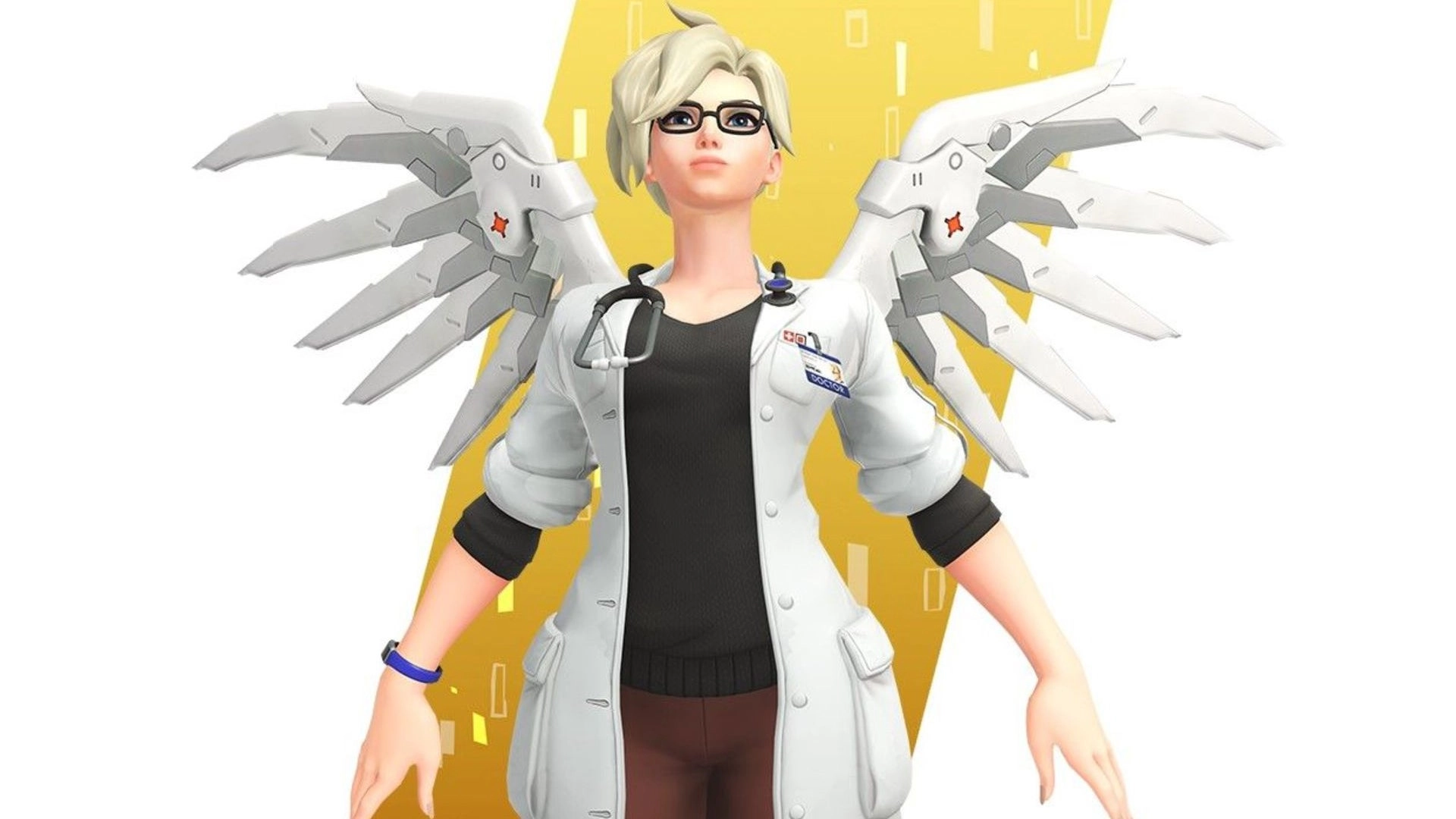
In the competitive world of gaming, few things can be as grating as a team that doesn't work well together. Blizzard Entertainment's Overwatch 2, a team-based first-person shooter, is about to introduce an update that could be a game-changer for players tired of struggling with inadequate teamwork. Season nine of the game will bring a shift in dynamics that gives non-Support characters a modified version of the self-healing passive ability typically reserved for Support roles.
Blizzard's plan stems from a simple observation: when Overwatch 2 teams exhibit synchronicity and comprehensive strategy, the game hits unparalleled high notes of fun and excitement. Conversely, the absence of teamwork can make for a much less enchanting experience. The developers have recognized that depending on teammates can be both the game's greatest strength and its most prominent weakness.
The game already features several elements designed to foster better teamwork. The ping system allows players to communicate quickly and effectively, while the "Spawn Together" mechanism syncs player respawn times, encouraging units to re-enter the game simultaneously. Based on player feedback, the latter system might be tweaked to become more influential in season nine.
Additionally, Blizzard has teased the introduction of "Party Frames," which would display teammates' health statuses onscreen, as well as revisions to the scoreboard. The aim is to provide players with more information and consequently promote team cohesion. But even with these informative tools, Blizzard acknowledges that teams may still struggle to gel. That's the precise issue that the self-healing passive for non-Support roles will address when the next season launches in late February.
This significant change allows Damage and Tank role players to heal themselves, providing them with a higher degree of independence on the battlefield. The intent is not only to reduce the pressure on Support players—who often shoulder the burden of keeping the team alive—but also to empower individual players by giving them greater control over their health management. Blizzard is confident that this development will mitigate some of the aggravations associated with poor teamwork.
The changes are part of a broader package of balance adjustments, the details of which will be shared later. Blizzard wants to ensure the game remains fair and enjoyable for all types of players, irrespective of their chosen roles.
To expedite the introduction and assessment of these changes, Blizzard is also launching "Quickplay: Hacked" events. These limited-time modes alter the standard rules in quickplay queues to test new features and dynamics quickly. The initial event, Quicker Play, focuses on accelerating the pace of the match by implementing faster Payloads and Capture times, reduced respawn timers, and overall shorter matches. Should these experiments yield positive feedback and data, some changes may be integrated into the core game experience.
The significance of season nine's update cannot be overstated, given Overwatch 2's somewhat rocky start. When the game launched in 2022, it was missing several advertised features and introduced a controversial free-to-play model. Players expressed their frustration, particularly evident in the game’s Steam launch, which was met with predominantly negative reviews.
Blizzard's commitment to improving Overwatch 2 is clear in their progressive approach to game updates. By empowering players with self-healing capabilities and testing new systems through "Hacked" events, the developers hope to reinvent the gameplay experience. This strategy could encourage players to appreciate the intricacies of team-based play while lessening the impact of disjointed team efforts. If successful, this update could turn the tides for Overwatch 2, ensuring that players, irrespective of their roles, can enjoy a more self-reliant and less frustrating gaming experience.

You must be logged in to post a comment!
