Overmorrow, a new game developed by solo creator PixelManta and available on the Nintendo Switch, brings an intriguing blend of exploration, puzzle-solving, and philosophical reflection set on a deserted island. Although it marks an impressive indie debut with its evocative writing and unique visual style, it harbors gameplay mechanics that might not resonate with every gamer.
The core of Overmorrow’s gameplay is its harsh save-wipe mechanic, which deletes all save data after 30 in-game days. This concept, while innovative, means players must continually restart to progress, learning from past mistakes. Each in-game day limits actions, as players can only use their magic spells—a crucial element for solving the island’s environmental puzzles—a set number of times before needing to rest at a campsite.
This setup creates a gameplay loop revolving around repetition and memory, similar to that found in games like The Legend of Zelda: Majora's Mask and Outer Wilds. However, Overmorrow’s approach can feel punishing due to its unguided exploration and opaque puzzle design, leading to potential frustration.
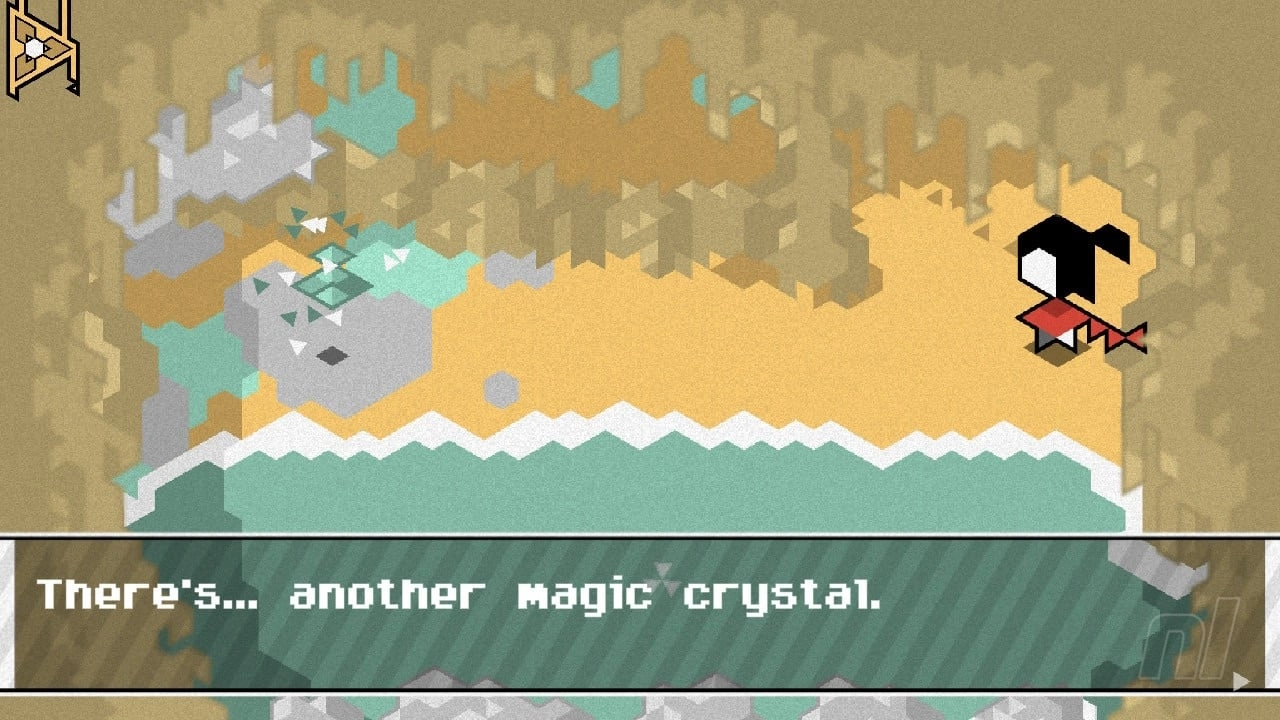
Visually, Overmorrow stands out with its triangular mosaic art style that gives it a distinct and memorable look. This aesthetic choice complements the game’s theme of ephemerality and the brief existence hinted at by the gameplay’s structure. As days pass, the landscape changes subtly, reinforcing the transient nature of time and progress within the game.
However, Overmorrow's unique artistic direction sometimes hampers gameplay. The abstract nature of its visuals can make it difficult to discern necessary elements within the environment, leading to wasted resources and progress, which, coupled with the save-wipe mechanic, might lead to significant player frustration.
Additionally, the game suffers from a few technical setbacks that affect the overall experience. During its launch phase, a bug prevented the completion of the campaign, although a fix was in the works. Moreover, various other bugs occasionally disrupt gameplay, such as clipping issues and unexpected crashes.
One of Overmorrow’s more commendable aspects is its soundtrack, composed by Canadian artist Jim Guthrie, known for his work on Superbrothers: Sword & Sworcery EP. The music adeptly enhances the atmosphere of the game’s various environments. However, sound design inconsistencies, such as abrupt changes in musical themes, occasionally detract from the immersive experience.
Despite these challenges, Overmorrow does shine in moments when players can freely explore and uncover the secrets of the island without running into confusing gameplay elements or bugs. The game’s initial exploratory phase is engaging, filled with discovery and wonder as players learn to navigate the island and harness their magical abilities.
In essence, Overmorrow attempts to blend beautiful art, thoughtful design, and philosophical underpinnings into a compelling game experience. It encourages players to ponder the fleetingness of life and the value of memories amidst challenges. However, its reliance on repetitive gameplay loops and a punishing save mechanic may not be appealing to everyone, especially those who prefer a more straightforward or forgiving game design.
Overall, Overmorrow is a game that, while flawed, offers enough unique elements to make it worth experiencing for players looking for something different in the indie game space. Its blend of beauty, challenge, and contemplation creates a memorable, if sometimes frustrating, gaming experience.

You must be logged in to post a comment!
