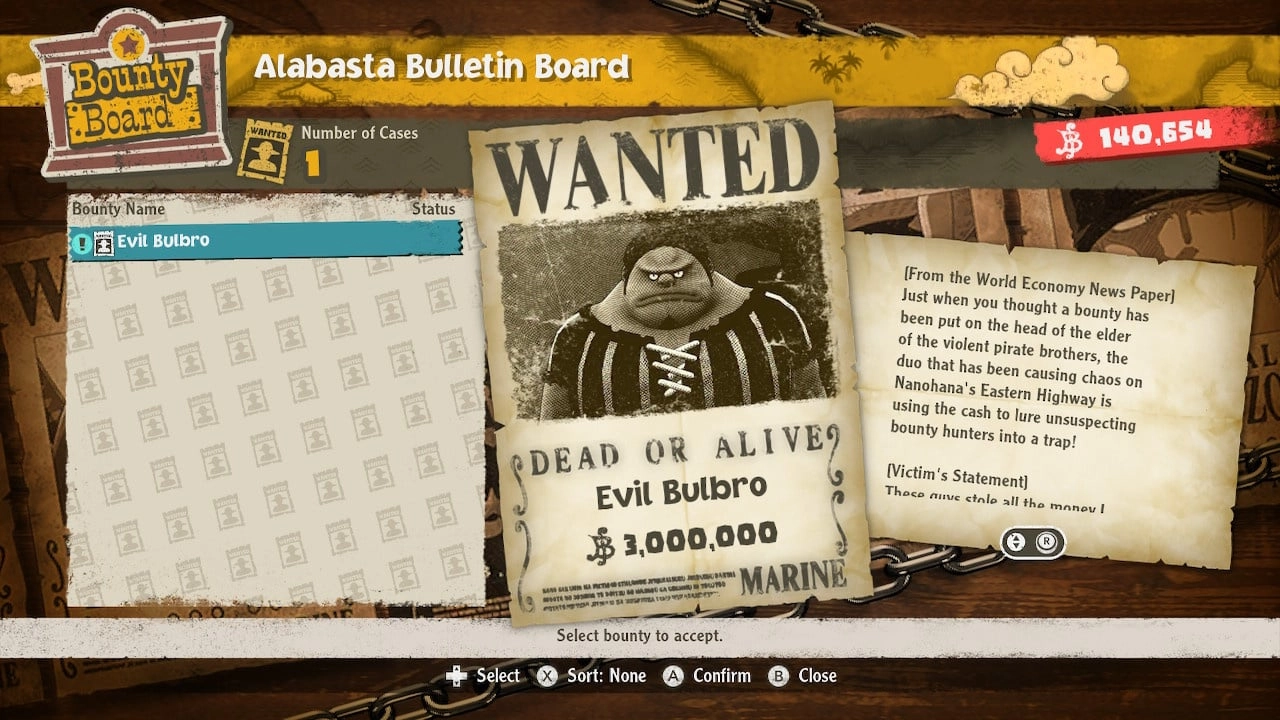
One Piece Odyssey, initially released for more powerful platforms, has recently been adapted for Nintendo Switch. It seems that despite some visual compromises, the game has successfully retained its core experience in this transition, offering an engaging role-playing adventure that both fans of the series and newcomers can potentially enjoy.
The narrative of One Piece Odyssey plays out much like a side story in the grand saga of the Straw Hat Pirates led by the iconic Monkey D. Luffy. Following a shipwreck, the crew lands on the enigmatic island of Waford. Interestingly, the crew finds their powers are stripped and locked away in magical cubes scattered across the island. To retrieve these cubes, the pirates must navigate through recreations of their past adventures, re-experiencing modified versions of their previous challenges. The catch here is how memory can skew the events, leading to small twists in their repeated experiences.
For fans of the One Piece series, the game serves as a nostalgia trip revisiting pivotal locations like Water 7 and Alabasta, although it spoils several key story arcs for those who haven't followed the anime or manga from the beginning. This aspect of storytelling plays on the 'greatest hits' concept, using the crew's past narrative arcs as a component of gameplay progression.
In terms of gameplay, One Piece Odyssey sticks to a traditional JRPG format, with players exploring a substantial overworld, engaging with townsfolk, undertaking quests, and conquering dungeons. The crew members each bring their unique abilities to the forefront, thereby adding layers to exploration and puzzle-solving. For instance, Chopper can access narrow passages, and Luffy can extend his arms to reach far-off points, an inventive use of characters' abilities echoing their roles in the anime.
Combat in One Piece Odyssey is turn-based with a touch of strategic depth added through the arrangement of combatants in adjacent 'areas' on the battlefield. This division requires thoughtful positioning and tactical movement as you decide which characters should face which enemies, influenced further by the game's elemental weaknesses and a 'speed-technique-power' vulnerability triangle. While these systems provide depth, they are still simplistic enough not to intimidate newcomers to the genre.
The game incorporates several quality-of-life features to streamline the experience. Players can accelerate battle sequences and employ auto-battle settings for less challenging encounters, which helps in maintaining a brisk game pace. Moreover, character progression involves collecting and investing in power cubes, which players can use to expand and enhance character skills, integrating a simplified version of skill trees that encourage personalized development strategies.
Despite these engaging elements, One Piece Odyssey sometimes feels like a conventional RPG that has been dressed in One Piece themes. It misses some opportunities to delve deeper into the unique aspects of its world, such as actual pirate activities, including sailing and broader exploration.
From a graphical standpoint, the game does not push the Nintendo Switch's capabilities to their limits. Its transition to a less powerful platform is noticeable with lower texture quality and simpler visual effects. Nevertheless, these compromises do not drastically detract from the overall experience as the game maintains a stable frame rate and successfully portrays the vibrant and quirky aesthetic of the One Piece universe.
Although some might find the RPG mechanics a tad generic, and the game visually less sharp on the Switch, One Piece Odyssey stands as a stable, playable, and enjoyable adaptation. It is particularly suited for those looking to experience the thrill of navigating through the adventures of Luffy and his crew while on the go.

You must be logged in to post a comment!
