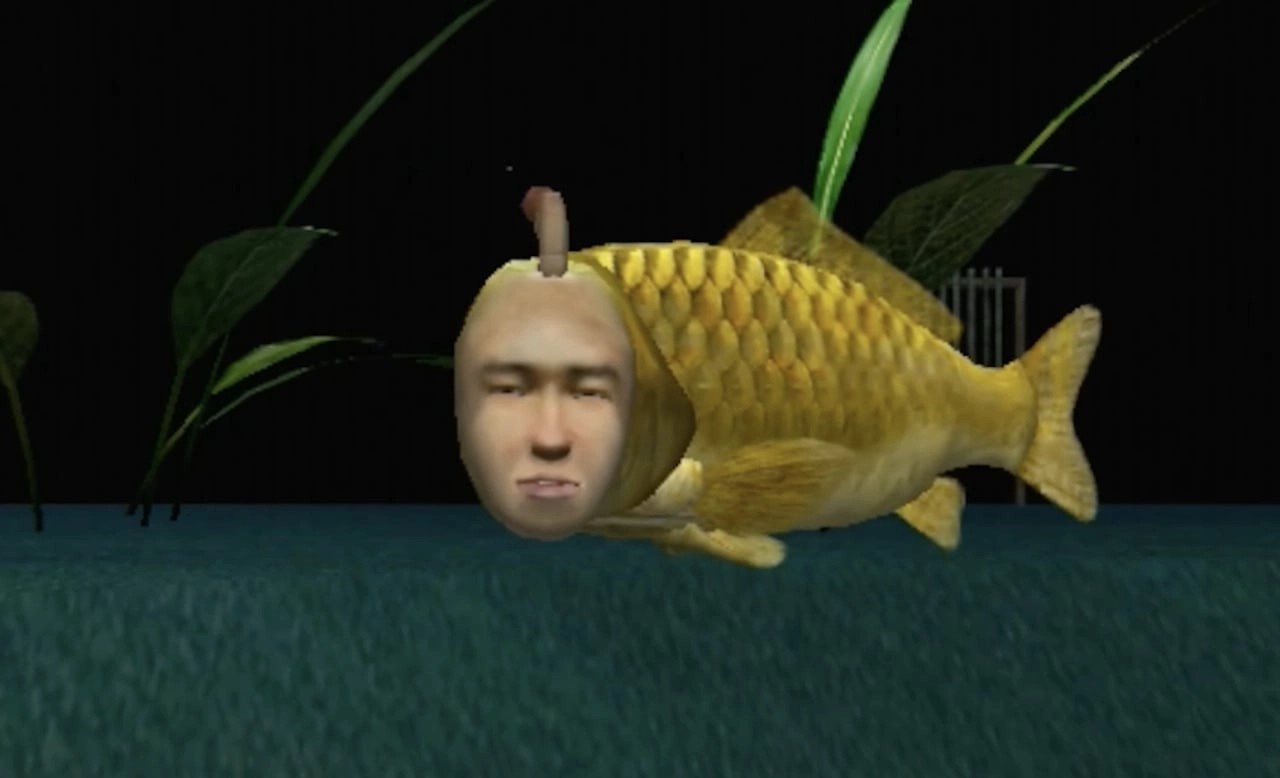
Once in a while, vintage video games surprise culture enthusiasts and players with secrets that have lain dormant for decades. From beyond the virtual pet abyss of the Sega Dreamcast era emerges one such peculiarity—an Easter Egg of a Not Safe For Work (NSFW) nature quietly cloaked within the quirky simulation game Seaman. This peculiar title, launched at the cusp of the new millennium, has recently propelled itself back into gaming conversations due to an audacious discovery that had remained hidden from players for over twenty years.
Seaman is hardly your run-of-the-mill game. Released in 1999, it presented players with the task of nurturing an eccentric and somewhat sardonic underwater creature—part fish, part humanoid—with the unique feature of interactive voice recognition through the Dreamcast's microphone accessory. The game differentiated itself with a blend of humor, oddity, and the deep, iconic narration of Leonard Nimoy. Seaman wasn't just a virtual pet; it was a conversational companion harboring a proclivity for dry and, at times, snarky remarks. This interactivity lent Seaman a cult status among aficionados of the obscure and the extraordinary in gaming.
Fast forward to the present, a Twitter user named Derek Pascarella disclosed the existence of a hidden feature—a 37-second audio track ending with the Seaman creature making a risqué joke about its name similarity to "semen" and the creature's preference in swimming locations, humorously and crudely insinuating the player's mother. Such discovery was facilitated, in part, due to tech-savvy gamers and enthusiasts of retro gaming who diligently dig through old code and content to unearth previously overlooked gems. The reveal not only emphasized Seaman's bold and uncensored personality but also highlighted the laid-back, perhaps experimental mentality of game design from that era.
The discovery of the Easter Egg certainly piqued curiosity and amusement but also sparked discussions on broader topics. It surfaces considerations on the cultural standards and creative freedoms of past and current gaming landscapes. What passes as a hidden joke back then might have taken a completely different form today, or might not have made it into the game at all, considering the evolved standards and practices around content appropriateness.
The physical game Seaman represented not just a quirky addition to a gamer's library but provided a unique interactive experience with the Dreamcast console itself. The Dreamcast, although short-lived in its reign, often stood out for its innovative concepts and daring software titles. Other exclusive favorites, like the vibrant "Jet Set Radio" and the deeply immersive "Shenmue," also contributed to the Dreamcast's legacy. Seaman, with its bizarre concept and memorable interaction, aligned perfectly within the console's assortment of unique offerings.
Seaman's Easter Egg discovery invites a nostalgic look back at the game's life, from its initial release to subsequent porting to the PS2—albeit without a Western release. There was even a Japan-exclusive sequel that arrived on the PS2 in 2007. While Seaman’s gameplay mechanics of feeding and conversing with an artificial creature may seem primitive by today's AI standards, it was an innovation that, at the time, expanded understanding of what player interaction might look like in a digital space.
This latest revelation from Seaman isn't just a footnote in gaming trivia; it's an invitation for players old and new to revisit the halls of gaming's past, to re-experience classics that might still hold surprises. It underscores the continuing dialogue on game preservation and the importance of maintaining access to older games, providing an opportunity for future generations to engage with, learn from, and even find amusement in the creative endeavors of previous gaming eras.
As we reflect on this curious NSFW Easter Egg lying in the depths of the Dreamcast's Seaman, the gaming community is reminded of a time when games dared to be different and developers embedded their work with hidden messages and secrets, creating a meta-game of discovery that lives on, well beyond a console or title’s heyday. Whether out of nostalgia, curiosity, or scholarly endeavor, such finds like Seaman's serve as delightful treasures in the digital frontier, waiting for patient and persistent explorers to uncover them.


You must be logged in to post a comment!
