Christmas has always been a season bustling with advertisements, and the video game industry has played a significant part in shaping holiday marketing through its commercials. From the 1970s up to the present day, each decade had its own charm and way of captivating potential consumers and making lasting memories.
During the 1970s, Atari emerged as a household name, taking gaming from arcades to living rooms with its Atari VCS / 2600 home system. The gaming market was competitive, with companies like Intellivision and Colecovision, but it faced a significant crash in North America. It was not until the arrival of the Nintendo Entertainment System (NES) in 1986 that console gaming saw a revival. Meanwhile, companies like Commodore attempted to position their home computers as the ideal Christmas gifts.
Commercials from this era often featured catchy jingles and family-focused narratives. Atari's ads invoked a sense of togetherness and joy, often connecting the act of gaming with traditional holiday gatherings. At this time, licensing became a significant part of the game advertising strategy as seen with the E.T. game commercials linked to the popular movie.
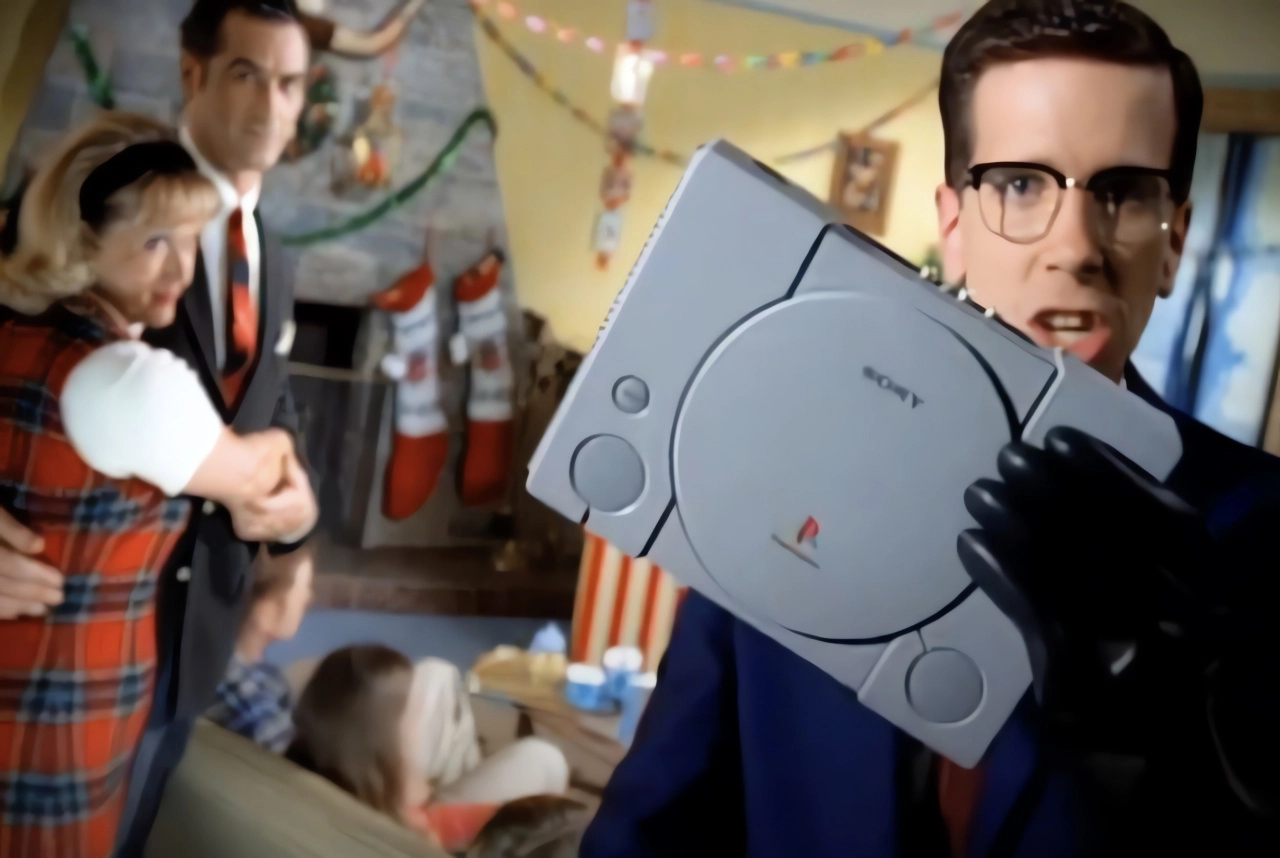
Moving into the 1990s, the industry's growth was evident as video gaming began to surpass other entertainment mediums in profitability. This decade was marked by the console war between Sega's Mega Drive (Genesis in North America) and the Super Nintendo Entertainment System (SNES), and later Sony's rise to prominence with the PlayStation. Sega commercials particularly stood out with their edginess and attitude, often throwing playful jabs at their competitors.
The creations of the 1990s were bolder, louder, and attempted to appeal to the cooler, more rebellious youth culture. They often featured teenagers and young adults engaging in gaming with an attitude, signifying a shift in how video games were marketed from family pastime to cool hobby.
By the time the 2000s arrived, Sony's PlayStation 2 was the talk of the town, with Nintendo's GameCube and Microsoft's Xbox trailing closely behind. Nintendo reclaimed some of its glory with the Wii, whose commercials often highlighted the console's unique motion controls and family appeal, with games like Wii Sports becoming a holiday staple for many.
The commercials of the 2000s leveraged celebrity endorsements and cinematic experiences to appeal to a wide audience, presenting the consoles as must-have items for the holidays. This strategy helped to create some of the most memorable and effective video game ads of the time.
With the advent of the internet and platforms such as YouTube, the landscape of advertising changed significantly in the 2010s. Nintendo, for example, opted to use digital platforms to release more of their commercials. This pivot to online spaces allowed for greater creativity and reach. The Nintendo Switch, released in 2017, once again positioned Nintendo as a favorite for many during the Christmas season.
The 2010s also introduced more interactive and social media-driven campaigns that engaged the audience in new and innovative ways. The commercials tended to be more narrative-driven and focused on the user experience rather than just the product.
Christmas video game commercials not only sought to sell a product but also to create a festive atmosphere, associating video gaming with holiday cheer and family time. They served as a reminder of the joy and excitement that gaming brings to people of all ages, making these advertisements a cherished part of the holiday tradition for many.
These commercials hold a special place in the hearts of gamers, as they not only advertised the products but also captured the spirit of the era. They have a time-capsule quality that can bring back vivid memories of childhood holidays, Christmas mornings, and the excitement of receiving that one video game or console you hoped for all year long. Through advertisements, the story of video gaming is woven into the fabric of our holiday experiences, illustrating its evolution into a beloved pastime that continues to enchant audiences across generations.

You must be logged in to post a comment!
