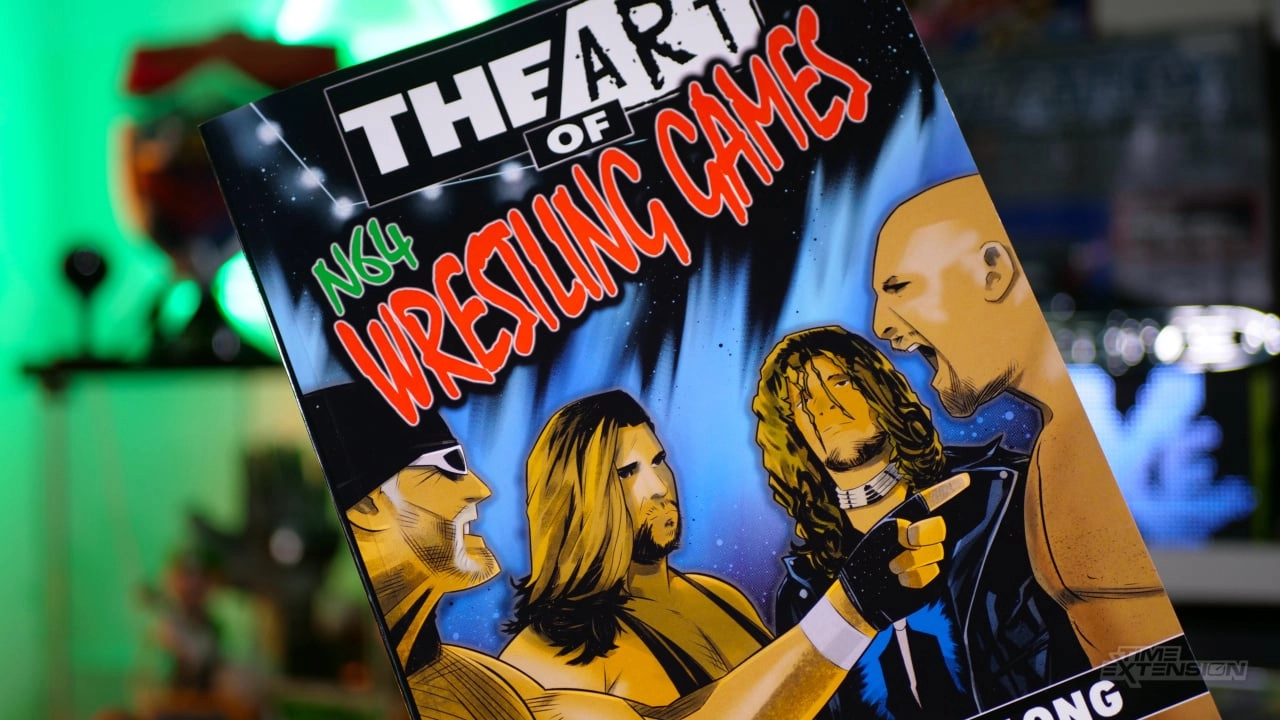
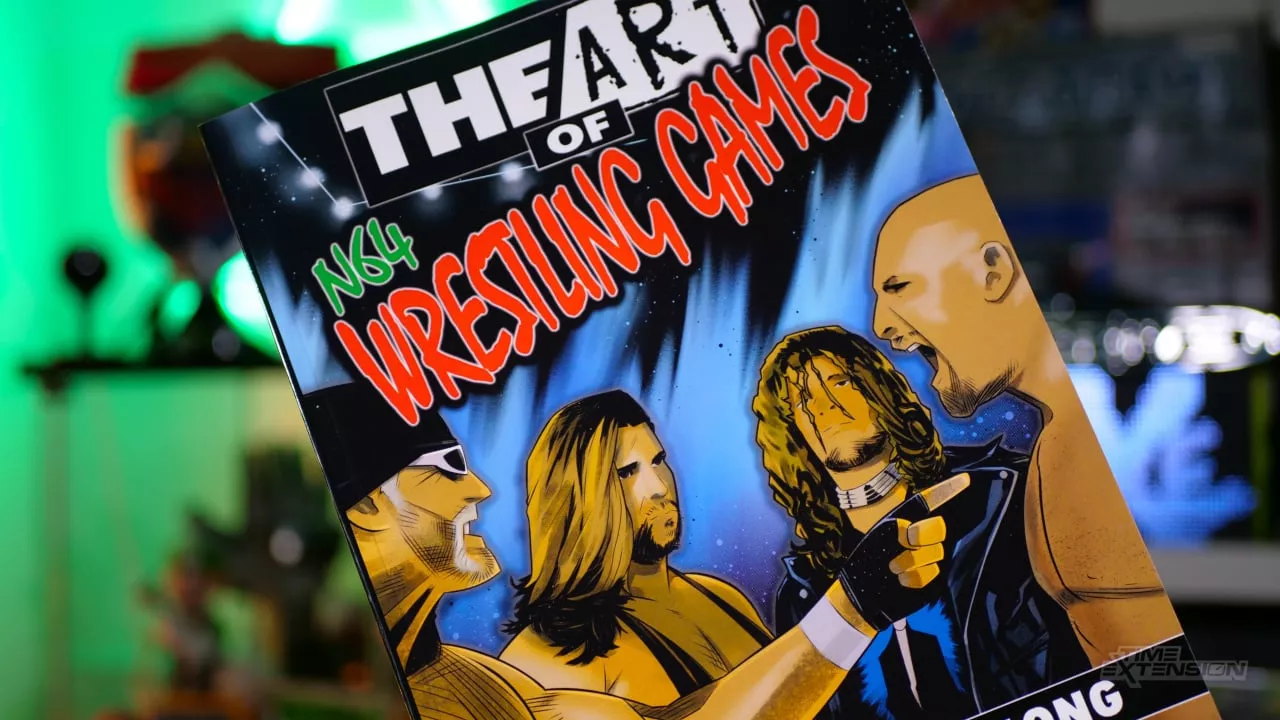
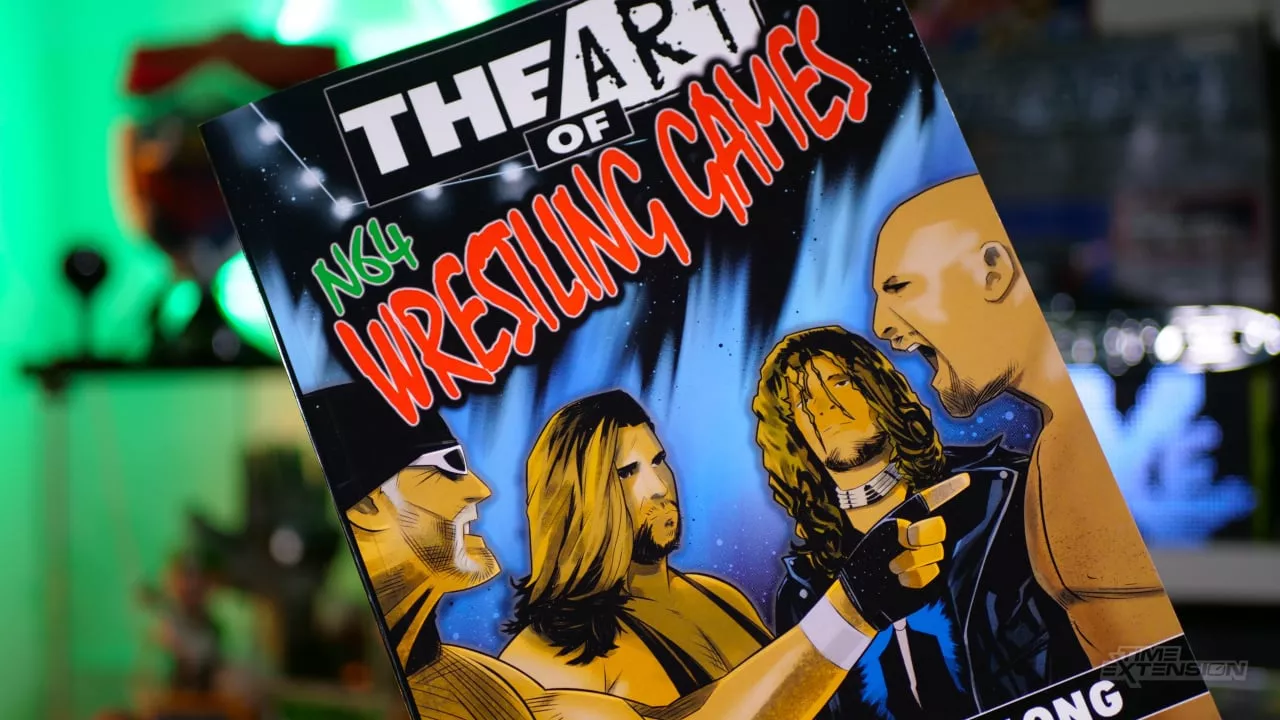
Once upon a time, the Nintendo 64 (N64) was a pivotal platform for wrestling video games, renowned for titles that have stood the test of time in terms of playability and entertainment. The N64 era is often remembered for its innovative approach to gaming and particularly for its wrestling titles that remain beloved by fans to this day. Shawn "RGT 85" Long, in his recent venture "The Art of N64 Wrestling Games," captures this golden era by revisiting some of the most significant wrestling games that graced the console.
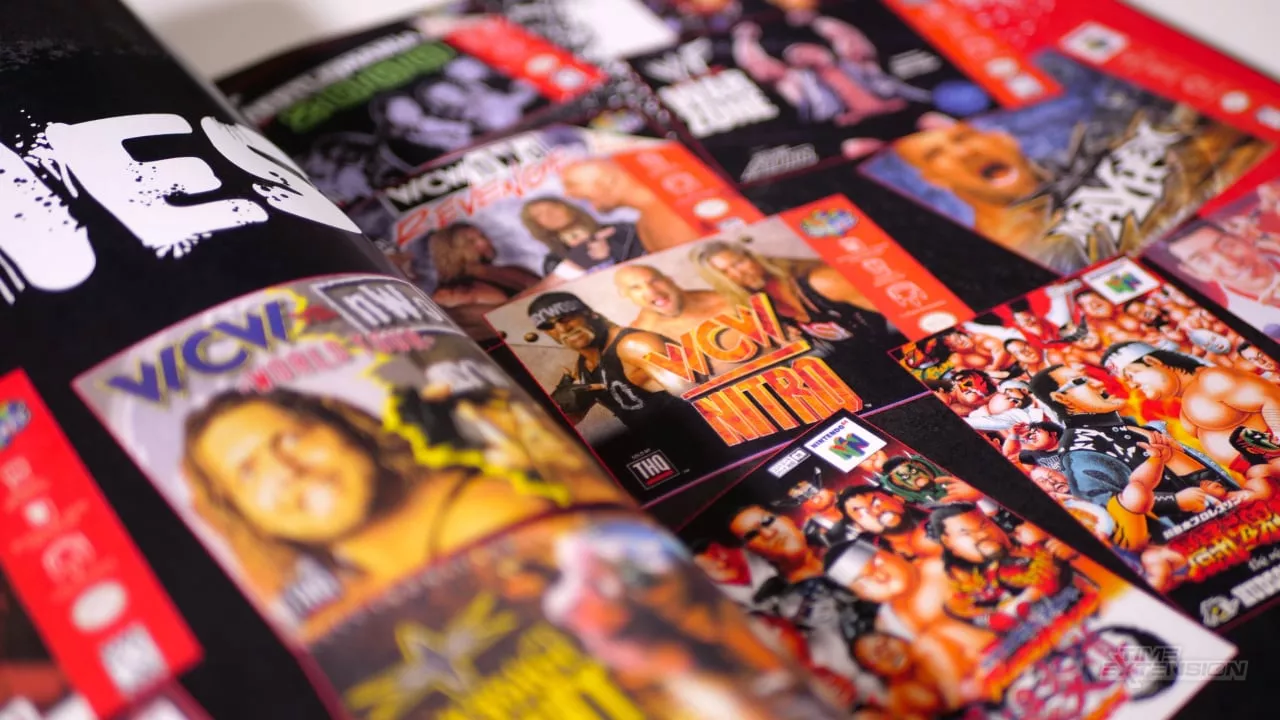
"The Art of N64 Wrestling Games" is not merely a trip down memory lane; it is a comprehensive guide that details every wrestling game released on the N64. This includes celebrated games like WCW vs. nWo: World Tour, Virtual Pro Wrestling 2: Oudou Keishou, WCW/nWo Revenge, WWF WrestleMania 2000, and WWF No Mercy – the last of which is frequently cited as one of the best wrestling video games ever made.
The book's emphasis is deeply rooted in the products of AKI Corporation, now known as syn Sophia, which were notably some of the best in the genre. Long explores not just these celebrated titles but also provides insights into every wrestling game available on the console, including lesser-known releases like Hudson’s New Japan Pro-Wrestling titles, which had a more limited exposure as Japan-only releases.
The chronological exploration in the book allows readers to understand the evolution of wrestling games on the N64. It shows how licensing agreements impacted game development as various titles transitioned among companies like Acclaim, THQ, and Electronic Arts. Interestingly, the movement of the WWF/WWE license from Acclaim to THQ marked a quality shift, largely due to AKI’s involvement, suggesting better outputs during the transition.
What also stands out about Long’s analysis is his inclusion of lesser-acclaimed titles which, although not as successful, play a part in the broad tapestry of N64’s wrestling genre. For instance, titles like WCW Mayhem and WCW Backstage Assault, which were not well-received, are discussed with candid criticism within the book’s narrative.
Beyond chronicling the games themselves, Long spices up the narrative by touching on the vibrant modding community that keeps these old classics alive. This aspect not only explores the games’ enduring legacy but also how dedicated fans remain engaged with these titles, continuously finding new ways to enjoy them.
The detailed exploration finds balance with anecdotes and personal insights, making the book more relatable and interesting. Long shares vivid memories of playing WCW/NEO Revenge with friends, which adds a personal touch to the otherwise technical narrative. It’s a reminder that these games were more than mere entertainment; they were a shared experience that cultivated bonds and created lasting memories.
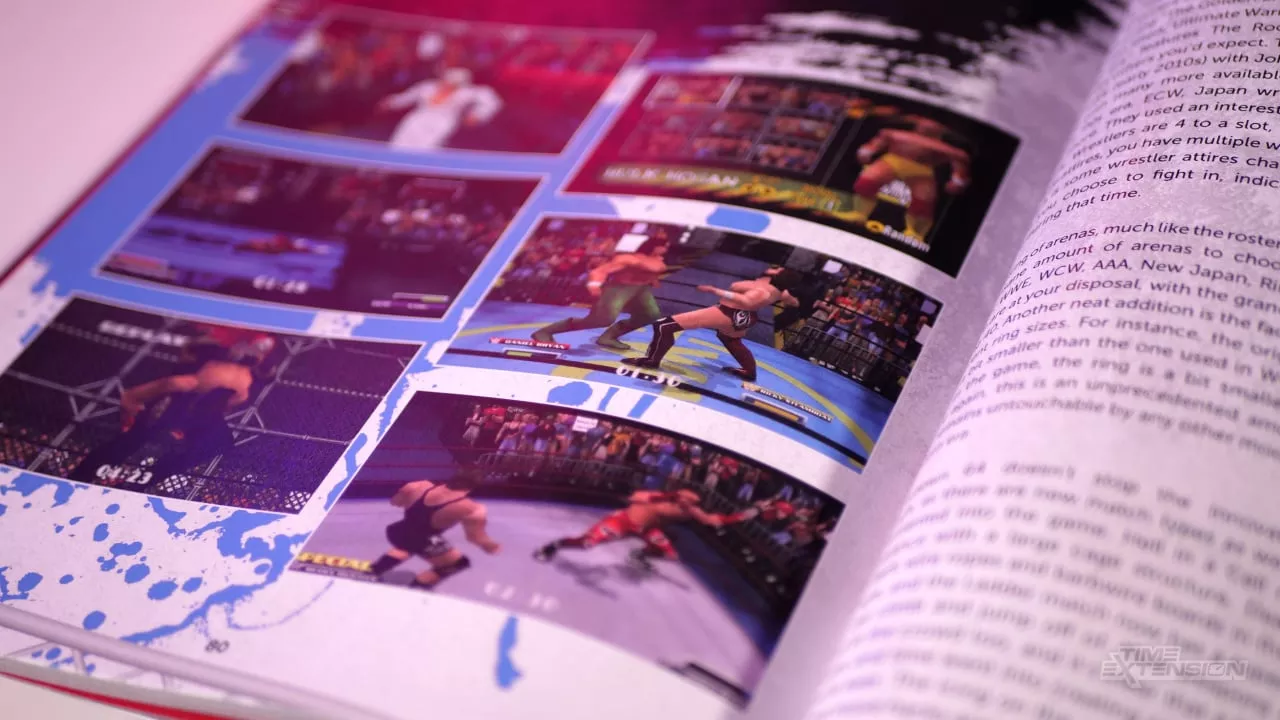
From a production perspective, while "The Art of N64 Wrestling Games" may not boast the high refinement seen in publications from larger entities like ROM or Bitmap Books, it holds its charm. The design is clean and functional, which suits the book's nostalgic theme well. This somewhat DIY aesthetic resonates with the nature of the N64 era itself – a time when gaming was less about flashy visuals and more about the essence of gameplay and community.
Overall, Shawn Long's "The Art of N64 Wrestling Games" is an essential read for anyone who cherishes the era of N64 wrestling games or seeks to understand a crucial period in the evolution of wrestling video games. It’s a richly detailed account that offers both broad coverage and deep dives into specific games, making it as comprehensive as it is engaging. Whether you’re a wrestling fan, a nostalgic gamer, or someone interested in the historical trajectory of video games, this book offers valuable insights and delightful reminiscences of a beloved gaming epoch.

You must be logged in to post a comment!
