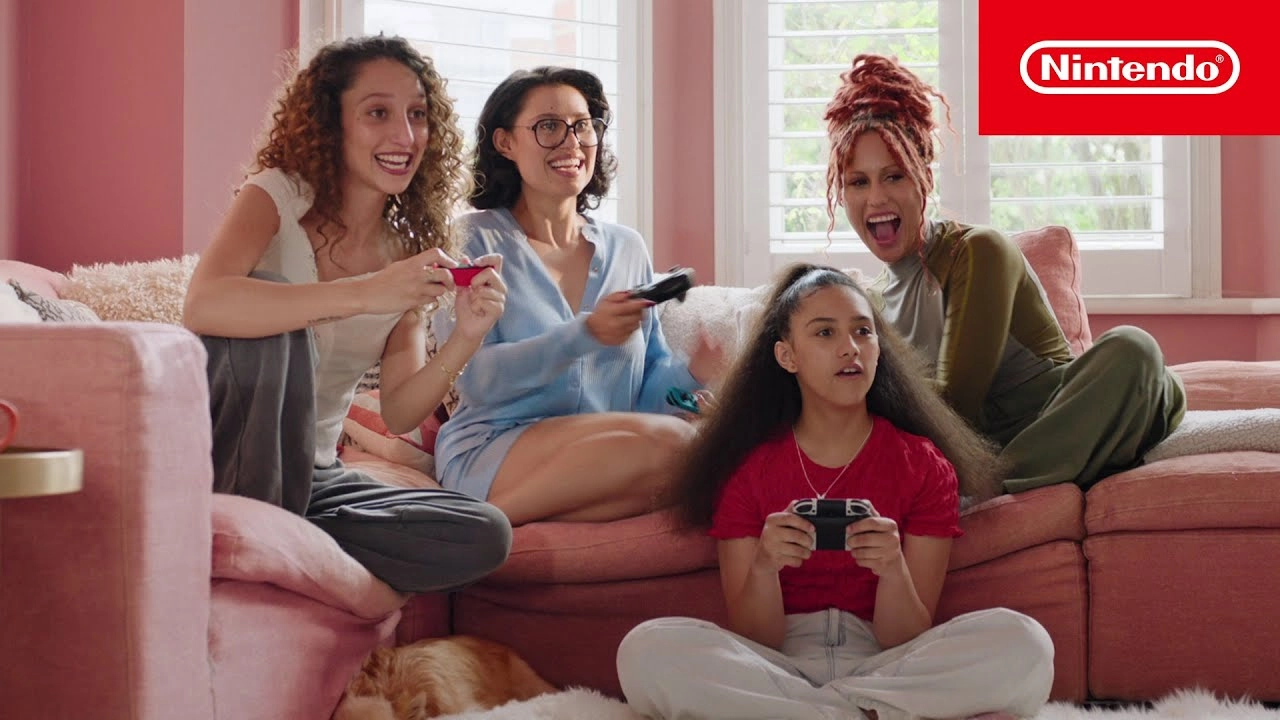
In the colorful and dynamic world of gaming, especially within the realms frequented by Nintendo enthusiasts, one would think that the expertise of this community spans across all aspects of pop culture. However, a recent development surrounding a Nintendo UK advertisement for the Switch has amusingly highlighted a curious gap in knowledge, particularly relating to contemporary pop music.
Nintendo Life, a site rich in knowledge about all things related to video games, came face-to-face with this unexpected revelation. The team prides itself on comprehensive coverage and insights across various genres and platforms of gaming, yet when it comes to the latest hits on the UK Singles Charts, they found themselves in unfamiliar waters. This gap came into glaring view following a casual share of Nintendo UK's latest Switch advert by the site’s editor, who candidly admitted to not recognizing the featured artist, Raye.
Raye, a name that possibly doesn't resonate immediately even with pop music followers, is actually a prominent British singer and songwriter. Her acclaim includes a win for ‘Album of the Year’ at the 2024 BRIT Awards for her album "My 21st Century Blues". Despite such recognition, Raye's prominence in the pop music scene had not permeated the gaming community’s collective consciousness, as evidenced by the blank expressions concerning her involvement in the Switch commercial.
The advertisement itself, effectively designed to attract viewers with its vivid display and engaging content, inadvertently turned into a moment of realization for many that their music knowledge might be limited to genres outside the current mainstream. This isn’t an isolated case; for instance, the community would likely have been more responsive had the ad featured icons from classic rock or heavy metal – genres more familiar to the typical demographic.
The divergence between music preferences among gaming aficionados and the general populace is not particularly surprising. Gaming communities like those frequenting Nintendo Life generally cultivate specific cultural tastes, often centered around nostalgia and specific subcultures, which do not always align with the prevailing pop music trends. The discrepancy observed in this particular incident underscores an interesting cultural juxtaposition within the realms of entertainment consumption – where gaming and contemporary music infrequently intersect.
Notably, this isn’t the first time Nintendo has used pop culture figures to market their products. However, the effectiveness of such strategies may vary depending on the celebrity's recognition factor among the target audience. In Raye's case, while she might be a celebrated figure within the music industry, her crossover appeal to the gaming community might not be as strong without prior exposure.
This scenario opens up an interesting discussion about marketing tactics and audience awareness. Knowing the audience is paramount, and as seen, assumptions about their breadth of knowledge in areas outside their immediate interest might lead to unexpected gaps in message reception. Perhaps, this could serve as a nudge for gamers to broaden their horizons and engage more with current cultural phenomena, including music.
For Nintendo and similar companies, these interactions serve as valuable feedback for fine-tuning future marketing strategies to ensure that the faces and voices they choose to represent their brands resonate well with their intended audiences. At the same time, for the communities involved, it might spark curiosity to learn about and appreciate new artistic talents across different entertainment spheres.
So, while Raye’s appearance in a Nintendo Switch advert did not have the anticipated recognition, it did spark a lively discussion about the intersection between various entertainment domains and highlighted an opportunity for greater cultural synthesis. As gaming continues to evolve as a central form of entertainment, its intersection with other cultural domains like music is inevitable and potentially enriching for all involved.
