Nintendo, widely recognized for its flagship game franchises like Super Mario, Zelda, and Pokémon, has recently reported significant growth in some of its lesser-known game series. These include Metroid, Xenoblade Chronicles, Kirby, and Pikmin, as detailed in their latest financial briefing.
Traditionally, Nintendo has seen its greatest success with well-established titles that have broad appeal. However, the sales figures from the Nintendo Switch era tell a new story of emerging strength for other franchises. Unlike previous platforms such as the Wii U and 3DS, the Switch has proven to be a fertile ground for these titles, helping them reach new heights in popularity and sales.
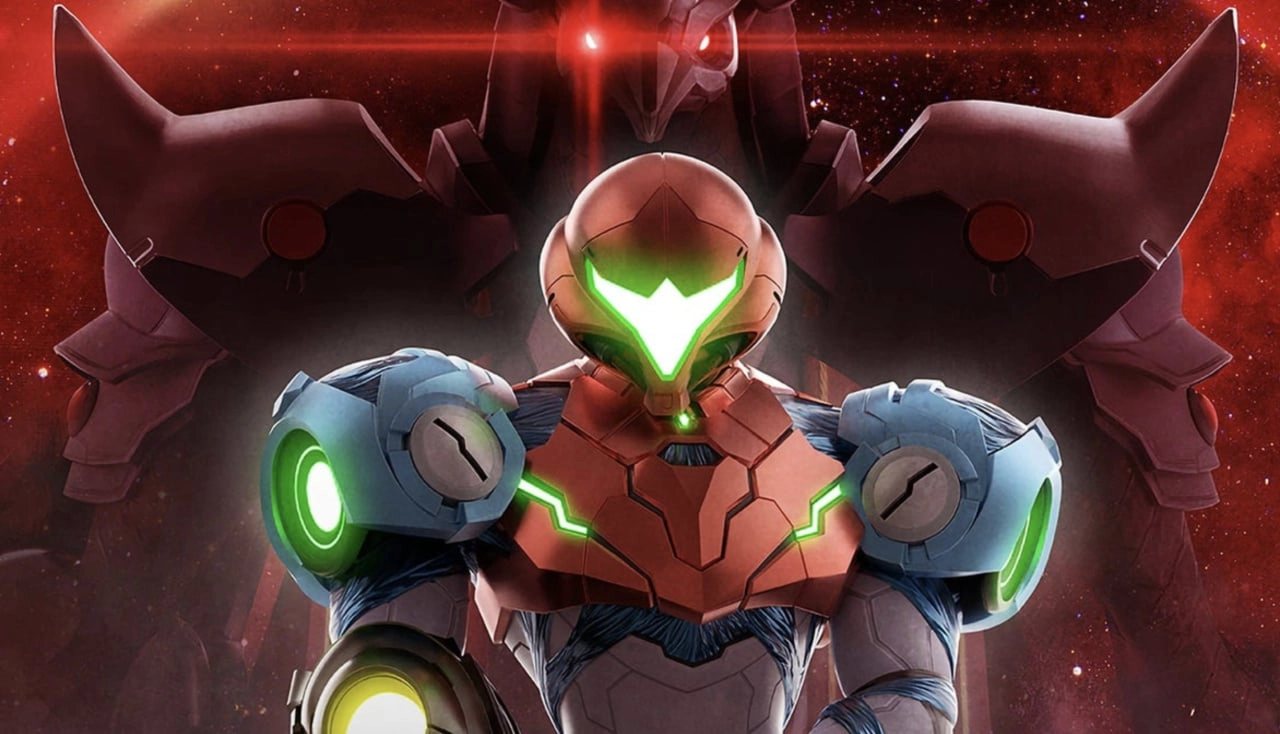
For example, the Metroid series, which had limited releases on the 3DS and no retail titles on the Wii U, has experienced a resurgence on the Switch. Titles like "Metroid Prime Remastered" and "Metroid Dread" have become some of the best-selling games in the franchise's history, with "Metroid Dread" in particular riding a wave of anticipation from long-time fans of the series.
Similarly, the Xenoblade Chronicles series has thrived on the Switch. With the console's larger user base compared to the Wii U, games like "Xenoblade Chronicles: Definitive Edition," "Xenoblade Chronicles 2," and "Xenoblade Chronicles 3" have all performed remarkably well. Each release built on the last, offering expansive worlds and complex narratives that appealed not just to hardcore fans but also to new players.
The Kirby and Pikmin franchises have also seen significant growth on the Switch. While these games have always had a dedicated following, their sales on previous Nintendo consoles were modest compared to heavy-hitters like Mario or Zelda. On the Switch, however, both franchises have benefited from enhanced visibility and the general popularity of the console, leading to higher sales figures.
The sales data presented excludes download-only titles, which means that certain popular games are not reflected in the figures. Notable exclusions include "Metroid Prime Trilogy" for the Wii U and "Kirby's Dream Buffet" for the Switch. While these omissions might slightly skew the overall picture, the trend of increased sales for these franchises on the Switch is clear and unlikely to be significantly impacted by these exceptions.
It is essential to consider the context of these sales figures. The Switch has sold nearly 150 million units, a far cry from the 13.56 million units sold by the Wii U. This vast difference in base user numbers naturally contributes to higher sales volumes for all titles on the Switch. Hence, while the growth is impressive, it's also facilitated by the Switch's overall market success.
Looking ahead, Nintendo fans have much to be excited about. The imminent arrival of the "Switch 2," confirmed to be backward compatible, promises to continue this trend. Nintendo's focus on nurturing strong relationships with third-party developers also bodes well for the future of its gaming ecosystem, including both flagship and niche franchises.
This successful expansion of once-niche franchises demonstrates Nintendo's adeptness not only in maintaining its legacy titles but also in elevating lesser-known games to new levels of success. As these franchises continue to develop and evolve, they contribute to a more diversified and robust portfolio for Nintendo, promising an exciting future for gamers around the world.

You must be logged in to post a comment!
